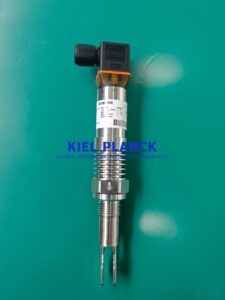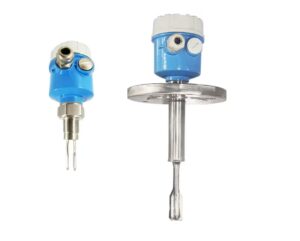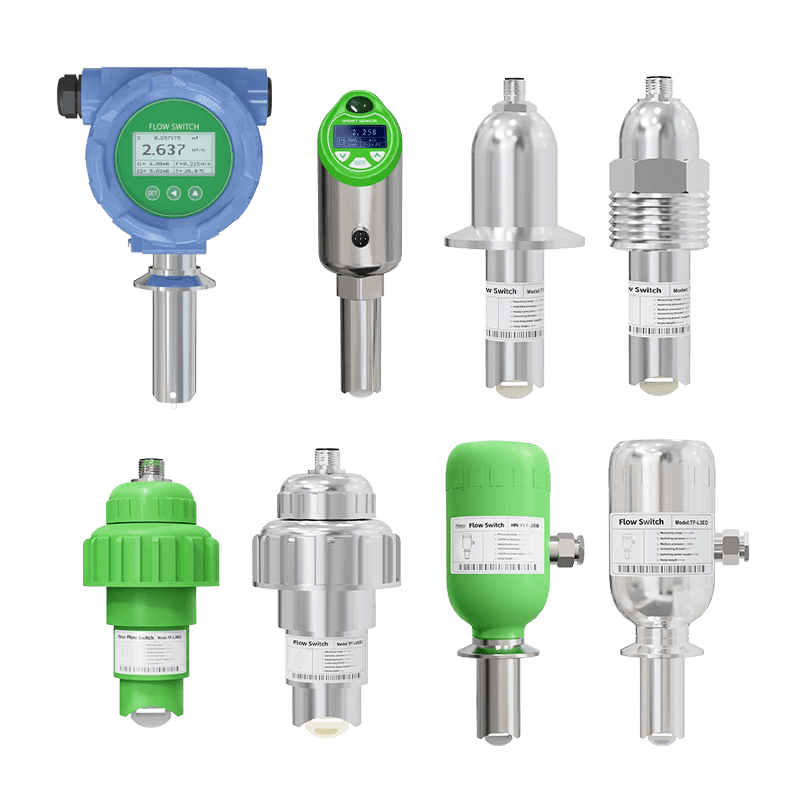
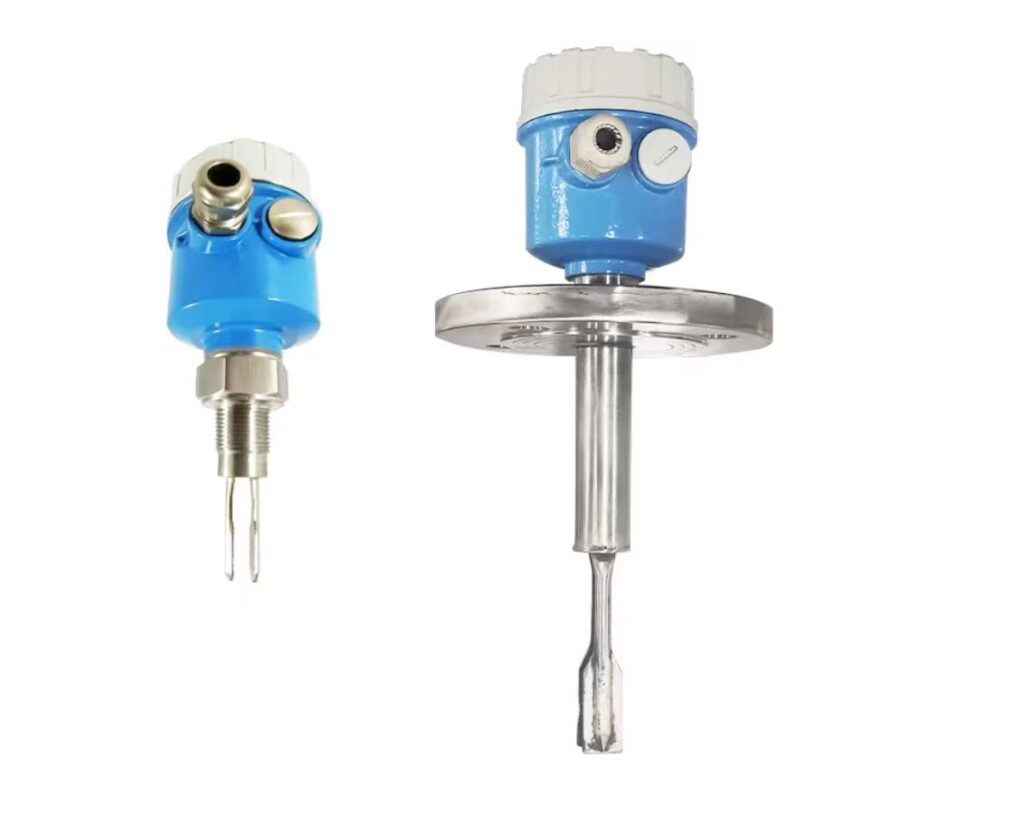
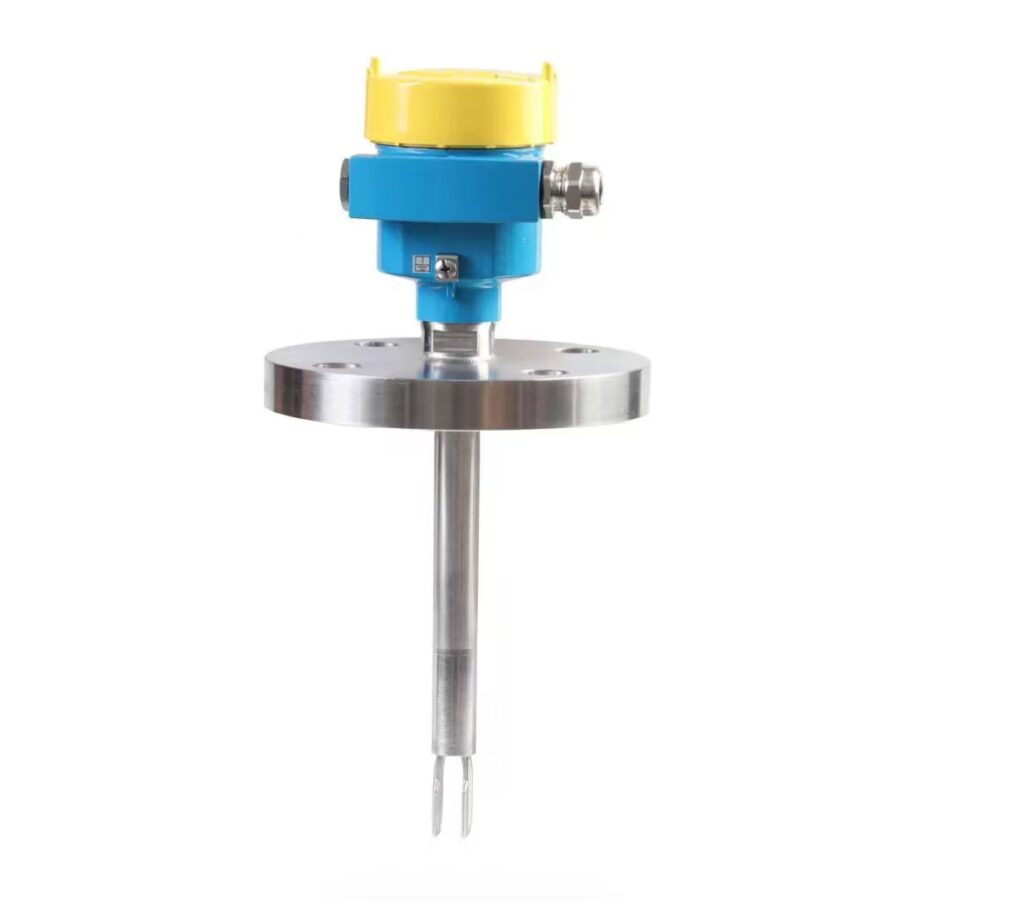
Different from ultrasonic and radar level meters that are highly sensitive to surface fluctuations, tuning fork level switches rely on solid-liquid damping difference and optimized vibration judgment algorithms, enabling excellent anti-interference performance. This paper systematically analyzes the interference mechanism of foam and turbulence on level detection, explains the core anti-interference principles of tuning fork switches, clarifies their applicable and inapplicable scenarios, and summarizes effective installation and parameter optimization strategies. The research shows that standard tuning fork switches can resist conventional foam and mild turbulence interference, while enhanced models adapt to extreme fluctuating working conditions, maintaining accurate and stable level detection results.
1. Introduction
In industrial production scenarios such as chemical stirring, biological fermentation, sewage aeration and petroleum processing, liquid surfaces often produce a large amount of floating foam and violent turbulent fluctuations. These unstable surface states seriously interfere with the normal operation of level detection equipment. Ultrasonic sensors are prone to signal scattering and echo loss due to foam coverage, while floating-ball mechanical switches are easily impacted and displaced by turbulent liquid flow, resulting in frequent false alarms. As a maintenance-free sensor without moving parts, the tuning fork level switch has been widely used in various industrial tanks and pipelines. However, its stability under foam and turbulence interference has always been a key concern in engineering applications. It is crucial to clarify its anti-interference capability and usage specifications for improving the reliability of industrial level control systems.
2. Interference Mechanism of Foam and Turbulence
Foam and turbulence interfere with level sensors in completely different ways. Liquid turbulence is formed by fluid agitation, inflow and outflow impact, which causes continuous up-and-down fluctuation and surface oscillation of the liquid level. For mechanical sensors, turbulence will generate continuous impact force, leading to frequent switch jumping; for non-contact sensors, irregular surface fluctuations will cause signal refraction and instability.
Foam interference is more complex. Industrial foam is mostly composed of a large number of tiny air bubbles, with low density and weak damping effect. Many level sensors cannot effectively distinguish foam from air or liquid. Thick floating foam will cover the liquid surface, causing sensor misjudgment: some devices identify foam as liquid to trigger false high-level alarms, while thin foam layers lead to signal loss and missed detection. In severe cases, continuous foam fluctuation will cause the sensor to output alternating switch signals, disrupting the automatic control of production equipment.
3. Anti-Interference Working Principle of Tuning Fork Switches
The reason why tuning fork level switches can resist foam and mild turbulence interference lies in its unique damping threshold judgment mechanism, which is the core advantage different from other sensors. The switch does not simply judge the level state according to vibration changes; it is programmed with a fixed damping threshold through internal intelligent chips.
In the state of air or thin foam, the damping force acting on the tuning fork is extremely weak. The vibration frequency and amplitude of the fork remain basically stable, and the circuit will judge the probe as exposed to air without triggering a level signal. When the probe contacts real liquid, the dense liquid medium produces strong and stable damping, which exceeds the preset threshold, and the switch outputs an accurate level alarm signal.
For liquid turbulence, although the fluctuating liquid will intermittently touch the probe, the contact time is short and the damping is unstable. The built-in delay judgment program of the switch will filter out instantaneous vibration fluctuations caused by turbulence. Only when the probe is continuously and stably covered by the liquid can the switch act effectively, perfectly avoiding false alarms caused by liquid surface fluctuation.
4. Applicable Limits and Optimization Solutions
Although tuning fork switches have outstanding anti-interference ability, they still have applicable limits. For conventional low-density floating foam and mild liquid turbulence, standard tuning fork switches can operate stably without false detection. However, for extremely thick, high-viscosity solidified foam or high-intensity jet turbulence with continuous impact, ordinary models may have delayed judgment or occasional misjudgment.
To solve extreme interference problems, industrial enhanced tuning fork level switches are equipped with higher-precision damping identification chips and adjustable delay parameters. Users can appropriately increase the signal delay time according to on-site working conditions to filter out intermittent interference signals. In addition, standardized installation is also essential. Installing the probe away from liquid inlets, stirring blades and foam concentration areas can fundamentally reduce the impact of turbulence and foam.
5. Conclusion
In conclusion, tuning fork level switches can be normally and stably used in most working conditions with foam and turbulence interference, with far better anti-interference performance than traditional mechanical and ultrasonic level sensors. Relying on accurate damping threshold identification and delay filtering algorithms, they can effectively distinguish air, foam and real liquid, and filter out instantaneous fluctuation interference caused by turbulence. Only in extreme working conditions with super-thick solid foam and strong continuous jet turbulence do ordinary models need to be replaced with enhanced versions or optimized through installation and parameter debugging. With reliable anti-interference stability and low maintenance cost, tuning fork level switches remain the optimal choice for point-level detection in complex fluctuating industrial environments.
Scan the QR code to receive more detailed information.