
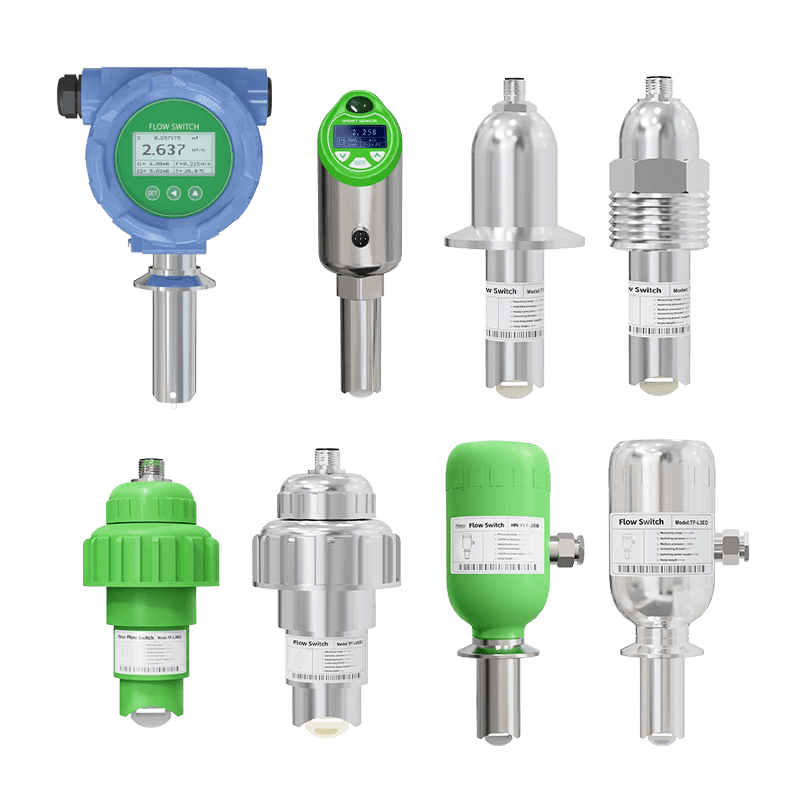
Applicability of Tuning Fork Level Switches Under Foam and Turbulence Interference
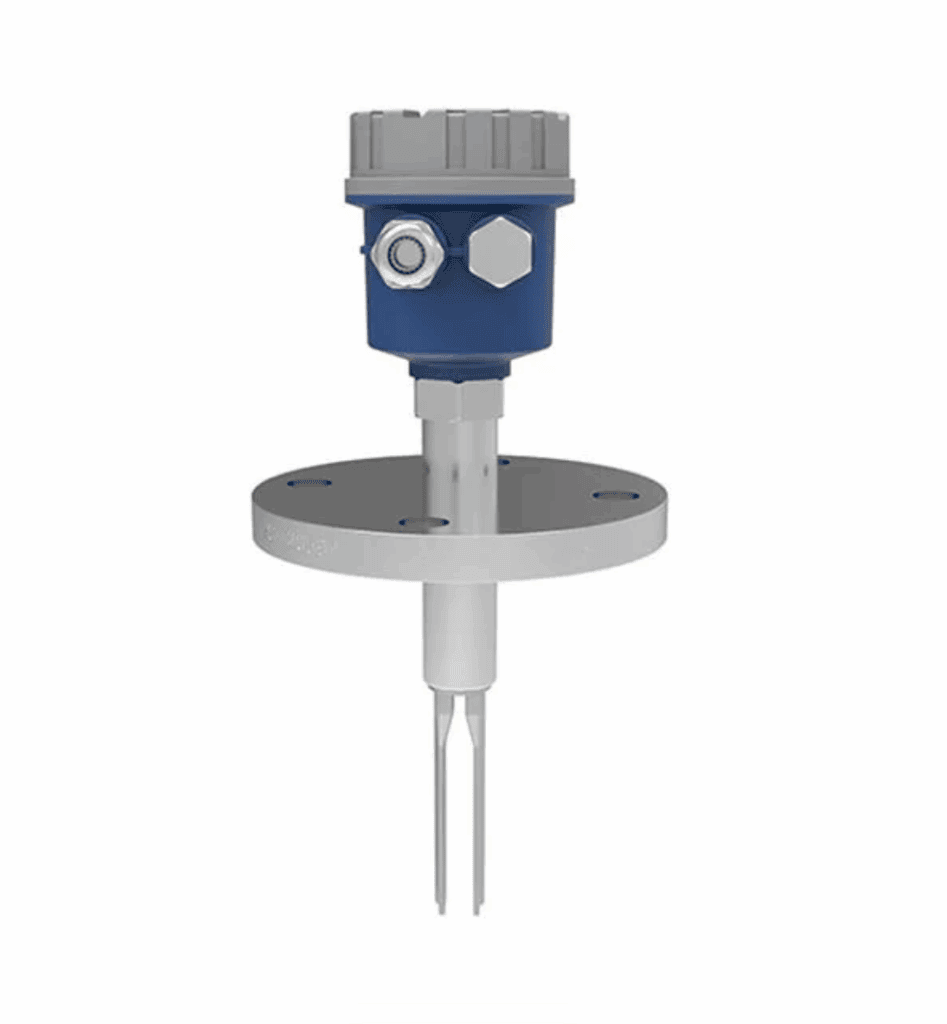
Foam and liquid turbulence are the most common interfering factors in industrial level detection, often causing false signals and detection errors for traditional level sensors. Many users question whether tuning fork level switches, as mainstream point-level detection devices, can work stably in harsh working conditions with severe foam and turbulent flow interference.
How Does a Tuning Fork Level Switch Measure Liquid Level Without Moving Parts?
Most traditional point level detection devices, such as float switches and paddle level switches, rely on mechanical moving parts to complete level sensing, which are prone to jamming, wear and failure in long-term operation.
Explosion-Proof Tuning Fork Level Switch: An Essential Tool for High and Low Level Protection of Chemical Storage Tanks
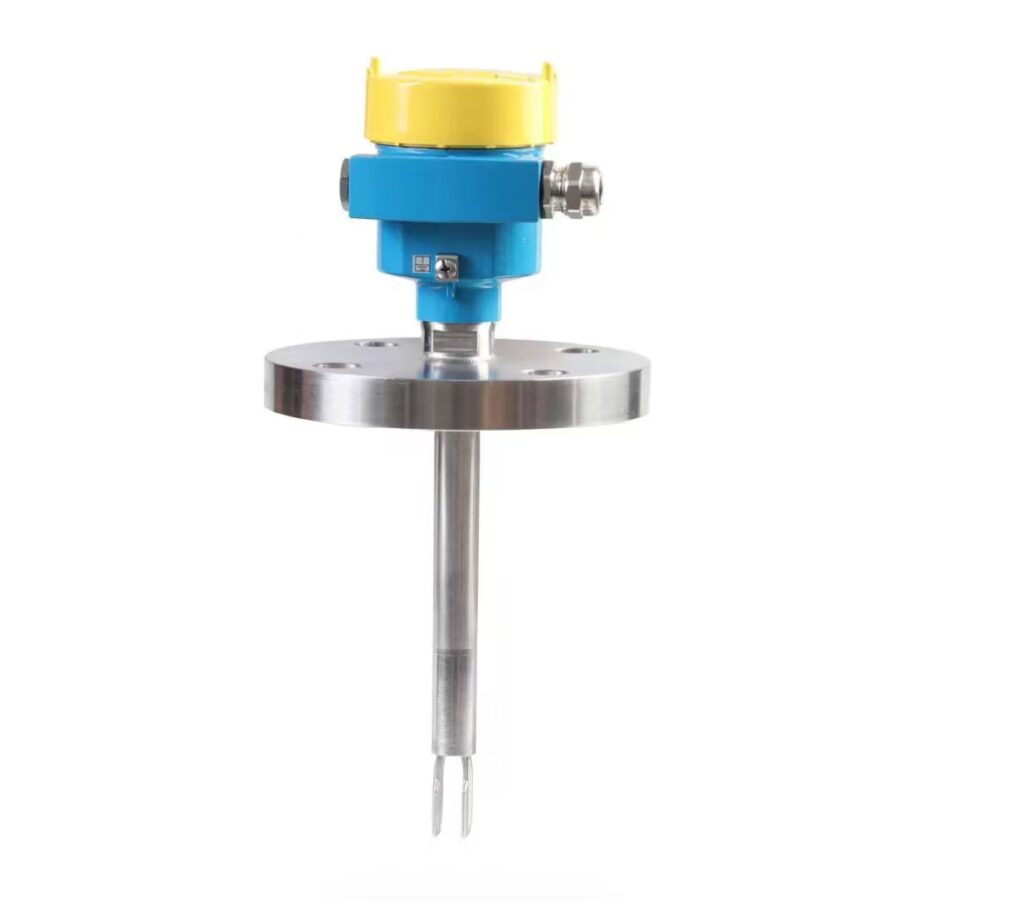
Chemical storage tanks are core equipment in the petrochemical, fine chemical and pharmaceutical industries, mostly used to store flammable, explosive, volatile and corrosive chemical media. High and low liquid level deviations of storage tanks are the main causes of safety accidents such as material overflow, tank vacuum collapse, pipeline rupture and explosive gas leakage.
Media Not Suitable for Tuning Fork Level Switches and Practical Application Pitfalls
Tuning fork level switches are widely favored in industrial point level detection for their maintenance-free operation, high stability and strong anti-interference ability, gradually replacing traditional float switches in most conventional working conditions. However, relying on vibration damping sensing technology, this type of switch has inherent application limitations and cannot adapt to all industrial media.
Point Level Detection: Why Tuning Fork Switches Gradually Replace Float Switches in Industrial Applications
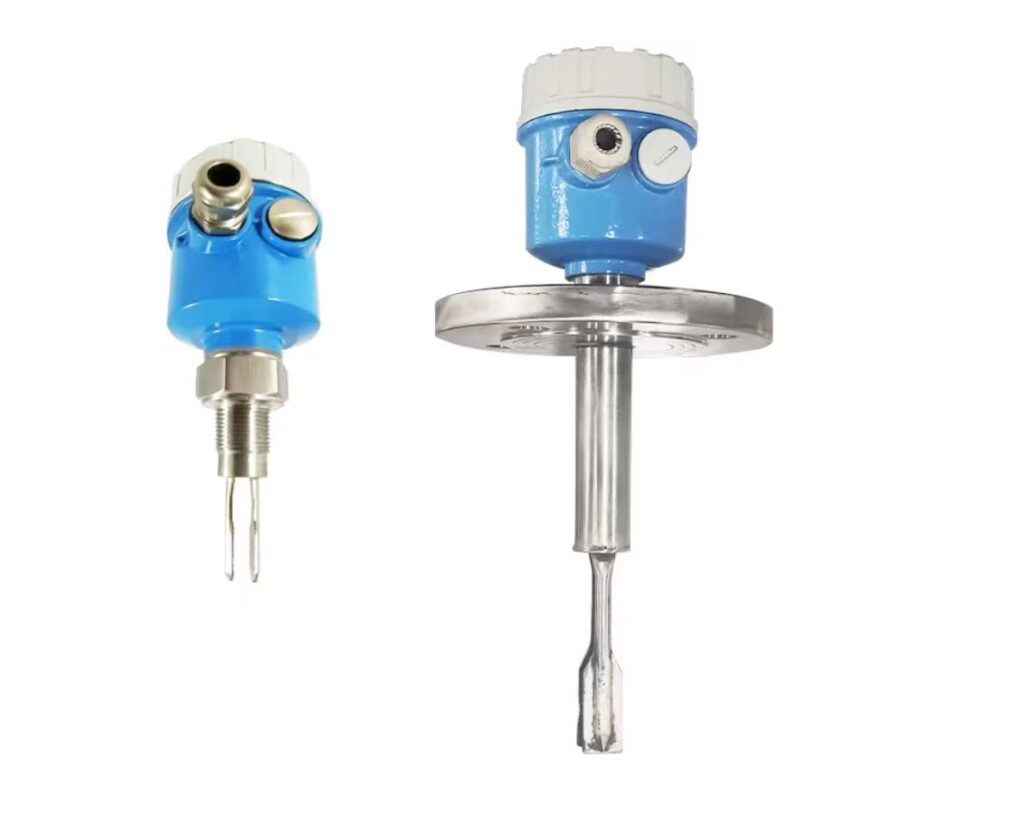
Point Level Detection: Why Tuning Fork Switches Gradually Replace Float Switches in Industrial Applications
Why Does the Tuning Fork Level Switch Keep Triggering False Alarms?
uning fork level switches are widely used in industrial liquid and solid level monitoring due to their compact structure, simple installation and wide applicability. However, frequent false alarms have become the most common operational fault, seriously affecting industrial tank control, pump interlock logic and production stability.

