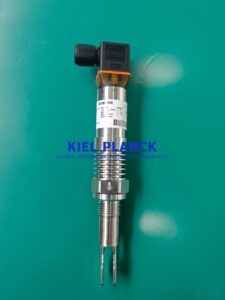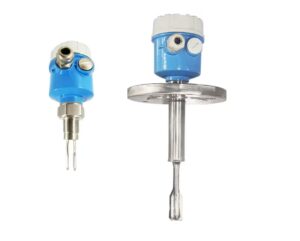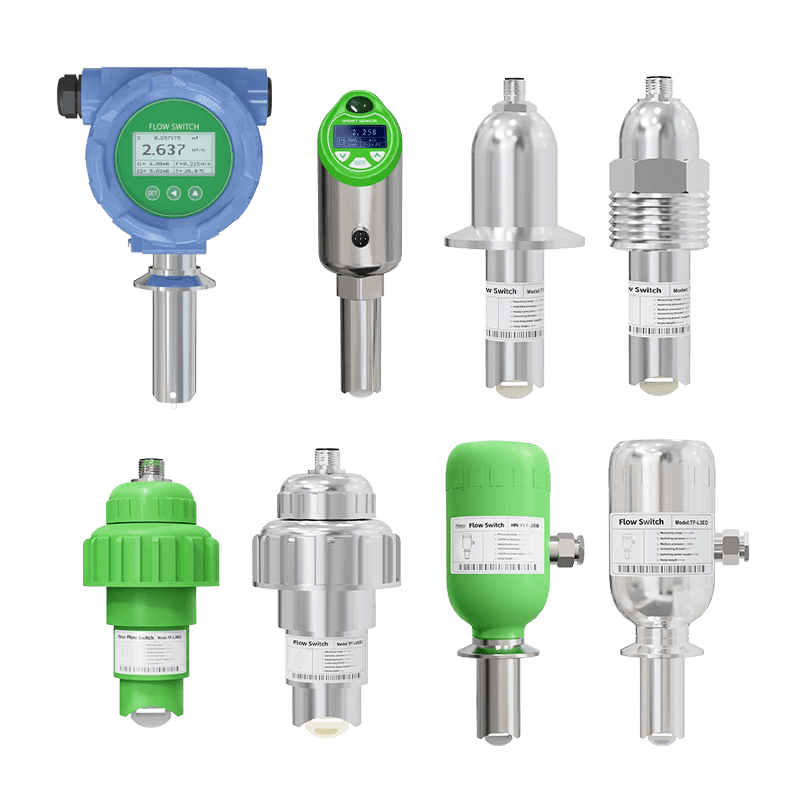
Most maintenance personnel attribute false alarms to product quality failures or parameter setting errors, while long-term field data shows that over 90% of abnormal alarms are caused by mismatched working condition selection. Improper adaptation to medium viscosity, dust adhesion, fluid fluctuation and vibration environments leads to continuous misjudgment of the fork vibration signal. This article analyzes the core causes of false alarms from the perspective of scenario mismatching, summarizes typical inappropriate selection cases, and proposes targeted configuration and optimization solutions. It provides practical guidance for industrial users to eliminate false alarm faults and realize stable long-term operation of tuning fork level switches.
1. Introduction
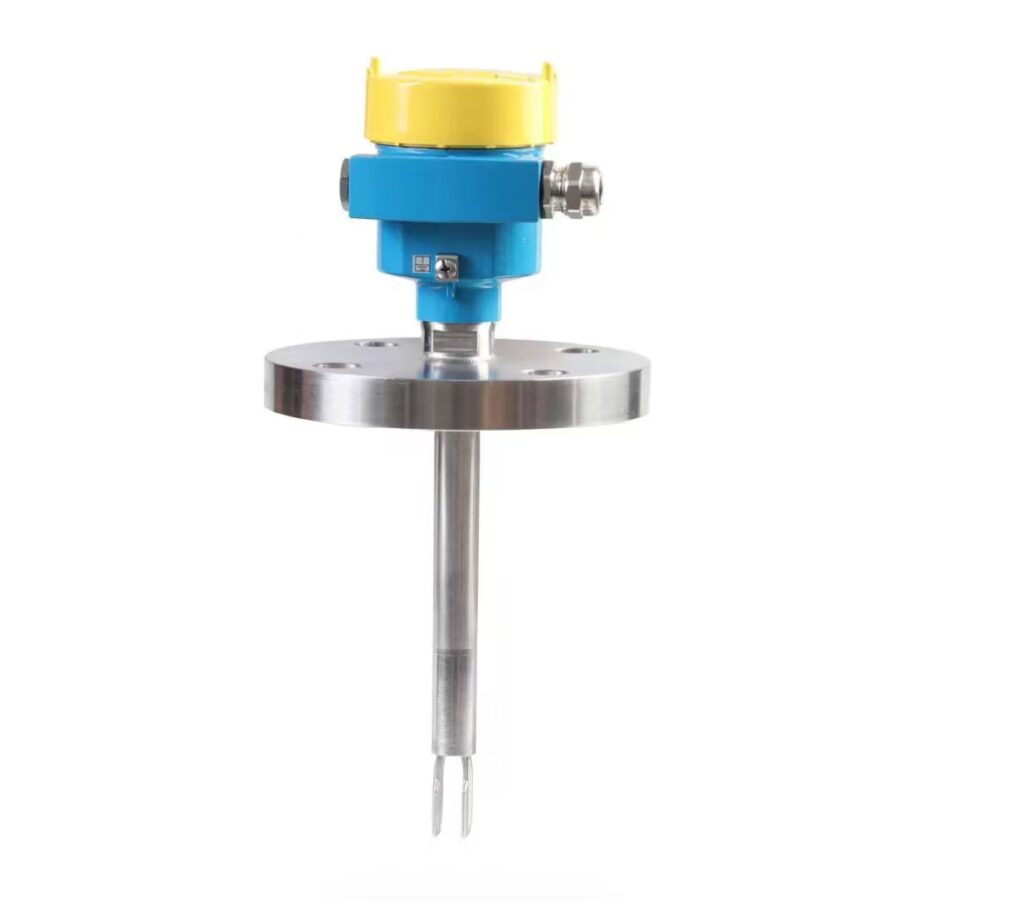
Working based on mechanical vibration frequency difference, tuning fork level switches judge medium level changes by detecting frequency shifts when the fork contacts different substances. With no dead zone measurement and strong anti-interference advantages, they are applied in petrochemical, water treatment, energy and chemical storage tank systems. In actual operation, repeated false high-level and low-level alarms often occur even after repeated debugging and calibration. Most on-site troubleshooting ignores the fundamental matching relationship between instrument parameters and working conditions. In fact, tuning fork level switches have strict applicable boundaries for medium characteristics, environmental vibration and fluid stability. Blind universal selection for all tanks and media is the root cause of persistent false alarms in most industrial projects.
2. Four Typical Working Condition Mismatches Causing False Alarms
The first common mismatch is unsuitable high-viscosity and adhesive media. Standard tuning fork switches are designed for clean low-viscosity liquids. When applied to glue, heavy oil, slurry and resin media, residual viscous materials easily adhere to the fork surface. The adhered dirt changes the natural vibration frequency, making the switch mistakenly judge liquid contact even in empty tank state, resulting in persistent false high-level alarms.
Second, installation in strong vibration and flow impact environments leads to signal misjudgment. Storage tanks connected to circulating pumps and agitators have continuous pipeline vibration and liquid fluctuation. External vibration interferes with the fork’s inherent vibration frequency. The sensor cannot distinguish self-vibration from environmental vibration, triggering random false alarms during stable empty-tank or full-tank operation.
Third, inappropriate selection for dusty and granular solid media. Many users adopt liquid-type tuning forks for powder and particle storage silos. Floating dust and accumulated fine particles continuously cover the fork gap, forming stable attachments. Long-term dust accumulation causes frequency drift and signal locking, leading to false full-level alarms that cannot be automatically reset.
Fourth, mismatch for fluctuating foam and steam condensation working conditions. In chemical tanks with floating foam or steam condensation, foam contact and water droplet adhesion will temporarily change fork vibration. The switch identifies these unstable interference signals as effective level changes, causing intermittent irregular false alarms and disordered automatic interlock control.
3. Targeted Selection and Optimization Solutions
To fundamentally eliminate false alarms, working condition classification and precise selection are required. For high-viscosity adhesive media, customized high-viscosity tuning forks with enhanced vibration amplitude and anti-sticking coating should be selected to avoid frequency drift caused by medium adhesion. For strong vibration tank environments, vibration-resistant fixed brackets and buffer installation structures are configured to isolate external mechanical interference.
For dust and particle working conditions, dedicated solid-type tuning fork switches with wide fork spacing and strong vibration power are adopted to prevent dust accumulation and signal locking. For foam and condensation-prone scenarios, delay parameter optimization is carried out to filter instantaneous interference signals and only respond to stable and effective level changes. In addition, regular surface cleaning and standardized installation position selection can effectively reduce attachment interference and improve monitoring stability.
4. Conclusion
More than 90% of false alarm faults of tuning fork level switches are not caused by product quality problems, but by unreasonable working condition selection and scenario mismatching. Viscous medium adhesion, environmental vibration interference, dust accumulation and foam disturbance are the four dominant causes of abnormal alarms. Industrial users should abandon the universal selection misconception and adopt differentiated configuration according to medium viscosity, medium state and field environmental characteristics. Scientific working condition matching and targeted parameter optimization can completely solve false alarm problems, ensure accurate level judgment and stable interlock operation, and support the safe and efficient operation of industrial storage and conveying systems.
Scan the QR code to receive more detailed information.