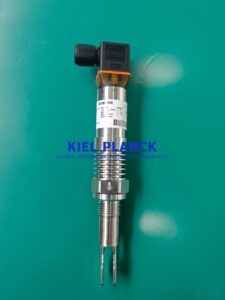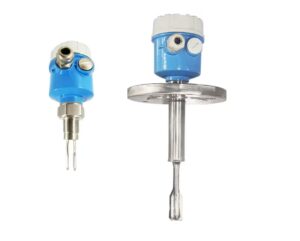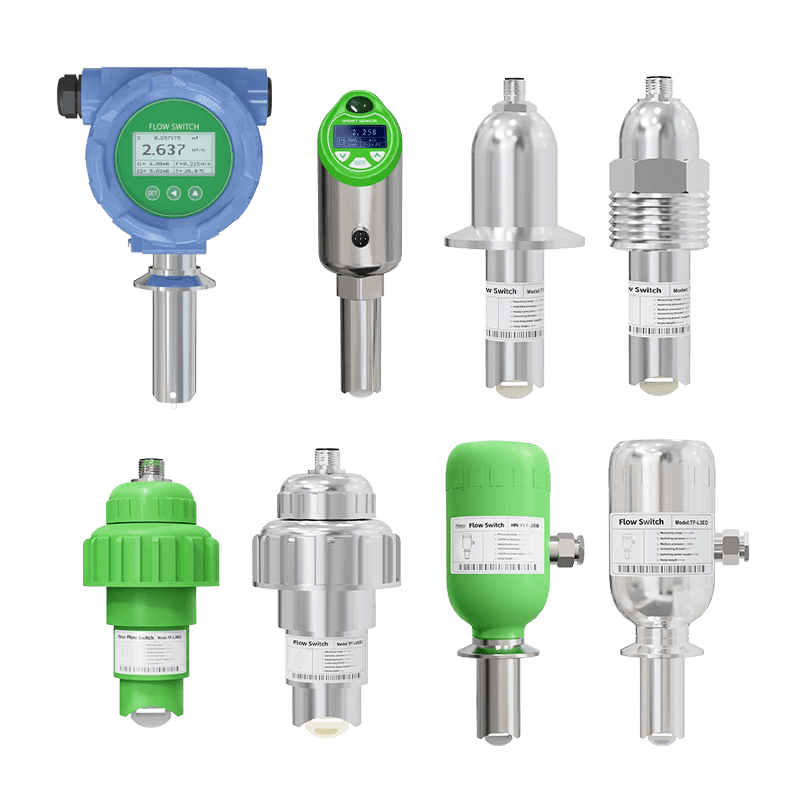
Field engineers often doubt whether tuning fork switches can work stably in such harsh scenarios. This article analyzes the working mechanism of tuning fork sensors under foam and turbulent flow conditions, explains the causes of false alarms and signal misjudgment, and verifies their effective applicability with targeted parameter optimization and structural configuration. It also summarizes practical installation and debugging strategies for foam-rich and turbulent liquid environments. The study proves that standard tuning fork switches fail easily, while optimized customized models can achieve stable and reliable point level control, providing clear selection and operation guidelines for similar industrial working conditions.
1. Introduction
In biochemical fermentation, chemical reaction tanks, sewage aeration tanks and stirring reaction vessels, liquid surfaces always produce persistent foam and violent turbulence. Liquid splashing, floating foam layers and unstable fluid motion make point level detection extremely difficult. Traditional float switches are prone to jitter and stuck faults, while capacitive level switches are highly sensitive to foam interference. As mainstream point monitoring equipment, tuning fork level switches are considered stable for most working conditions, but their performance differences under foam and turbulence scenarios are often misunderstood. Many users simply abandon tuning forks due to early false alarm experience, while ignoring that the failure comes from standard model mismatch rather than inherent principle defects. In fact, properly optimized tuning fork switches can effectively adapt to turbulent and foamy liquid environments.
2. Failure Mechanism of Standard Tuning Fork Switches Under Foam and Turbulence
Standard general-purpose tuning fork switches adopt fixed sensitivity and short delay parameters. In severely turbulent tanks, continuous liquid impact and splashing cause accidental contact with the fork probe. The sensor instantly captures frequency changes and mistakenly outputs liquid-level signals, resulting in frequent intermittent false alarms. For thick floating foam layers, lightweight foam can also trigger the fork switch because its density is enough to change the vibration frequency. In many aeration and stirring tanks, foam covers the liquid surface for a long time, causing the switch to keep a false full-level state and completely lose detection accuracy. In addition, strong fluid vibration will interfere with the fork’s natural vibration, further aggravating signal disorder and judgment confusion.
3. Inherent Advantages of Optimized Tuning Fork Switches for Harsh Scenarios
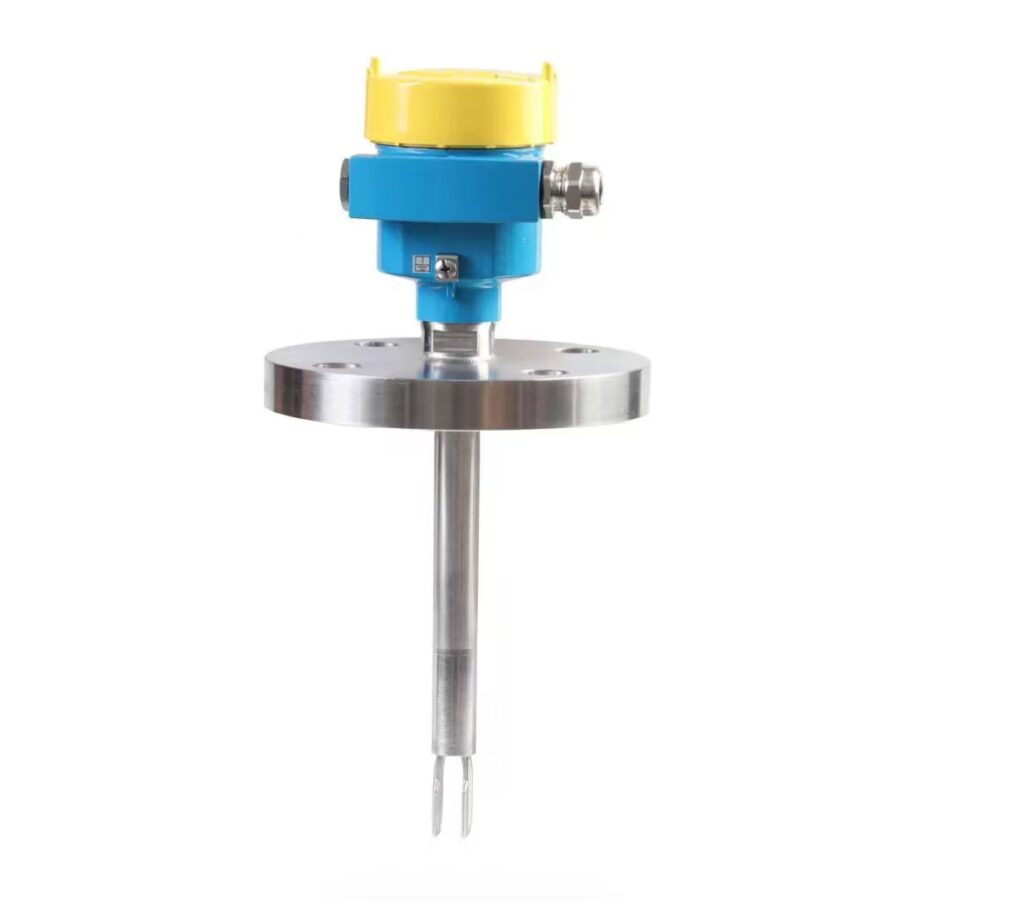
Although standard models are unstable, upgraded industrial tuning fork switches can effectively overcome foam and turbulence interference through three core optimizations. First,intelligent density discrimination algorithm is adopted to distinguish low-density foam from real liquid media. The system filters foam signals and only responds to effective liquid contact, fundamentally eliminating foam false triggering. Second, adjustable signal delay and damping parameters are configured. By setting 1 to 3 seconds of stable confirmation delay, the sensor ignores instantaneous splashing and turbulent transient contact, avoiding jitter signals. Third, enhanced vibration amplitude and anti-vibration structure isolate external mechanical vibration interference, ensuring stable vibration frequency output even under continuous liquid impact.
4. On-Site Installation and Debugging Optimization Strategies
To achieve reliable detection in foamy and turbulent working conditions, parameter optimization alone is not enough, and standardized installation cooperation is required. First, avoid installing the probe directly facing the stirring direction or liquid inlet impact area to reduce violent splashing. Second, reserve a reasonable height distance from the foam layer to prevent long-term foam coverage. Third, reasonably adjust sensitivity threshold and delay time according to on-site foam thickness and turbulence intensity. For ultra-heavy foam working conditions, a probe extension structure or side-mounted installation can be adopted to improve detection stability. Meanwhile, regular cleaning of accumulated foam residues can maintain long-term sensor accuracy.
5. Conclusion
Tuning fork level switches can achieve reliable point level detection even under heavy foam and severe liquid turbulence, but standard universal models are not applicable for such harsh working conditions. Foam false triggering and turbulent signal jitter are the main failure manifestations, caused by fixed sensitivity and lack of signal filtering logic. With density discrimination algorithms, adjustable delay parameters and anti-vibration structural optimization, customized tuning fork switches can effectively filter foam interference and transient splashing signals. Combined with scientific installation layout, they can realize stable and accurate point level monitoring. Industrial users should abandon the one-sided view that tuning forks cannot adapt to foamy turbulent conditions, and select optimized configuration schemes according to actual working conditions to ensure long-term stable operation of level control systems.
Scan the QR code to receive more detailed information.