
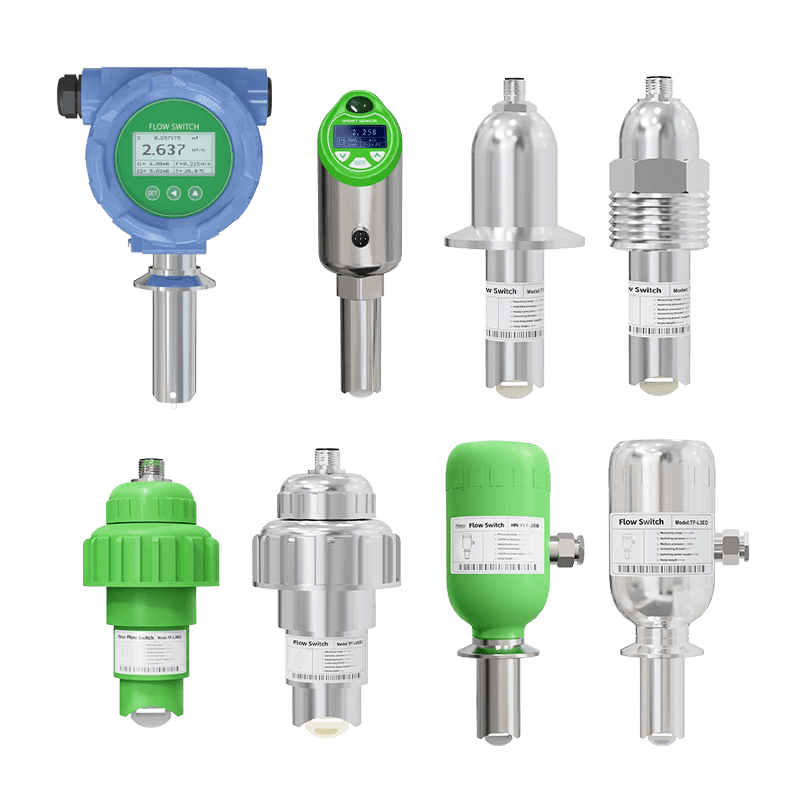
How to Select Tuning Fork Level Switches for High-Temperature, High-Pressure and Strongly Corrosive Storage Tanks to Avoid Common Pitfalls
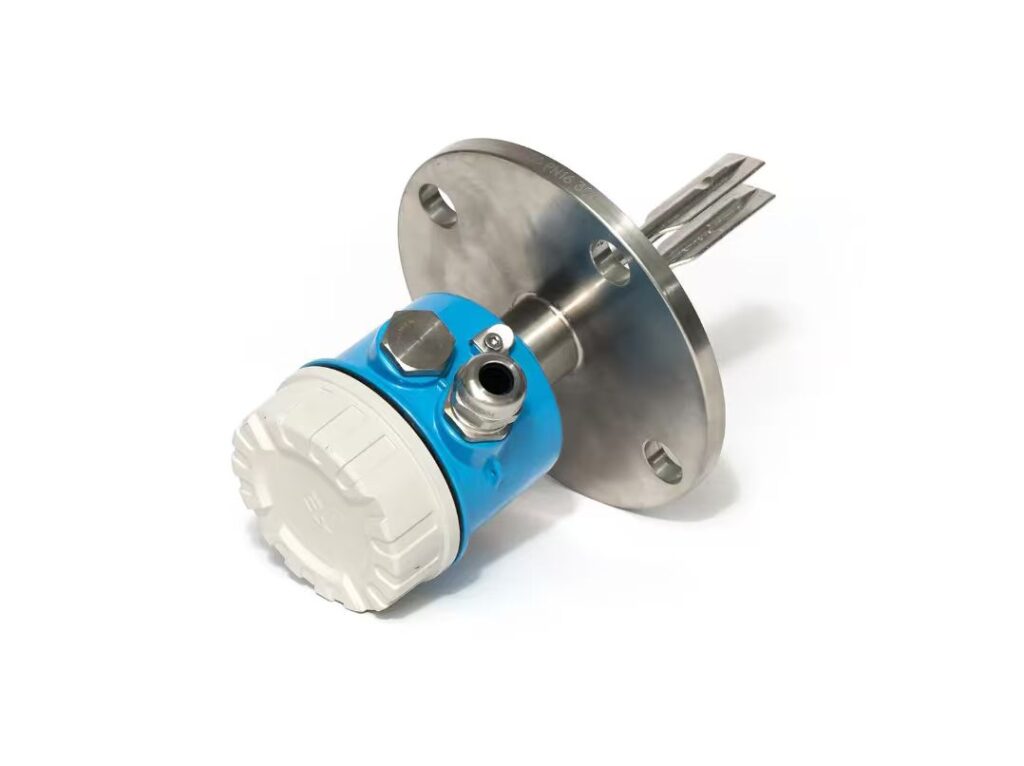
Tuning fork level switches are widely used for point-level interlock protection of industrial storage tanks due to their compact structure and stable vibration detection principle. However, harsh working conditions including high temperature, high pressure and strong corrosion pose severe challenges to their structural stability and detection accuracy. Blind selection of standard universal models is the main cause of on-site failures such as signal drift, shell leakage, probe corrosion and frequent false alarms.
Do Tuning Fork Level Switches Cause Frequent False Actions in High-Viscosity and Scaling-Prone Media?
Do Tuning Fork Level Switches Cause Frequent False Actions in High-Viscosity and Scaling-Prone Media?
Can tuning fork level switches deliver reliable point‑level detection under heavy foam and violent liquid turbulence?
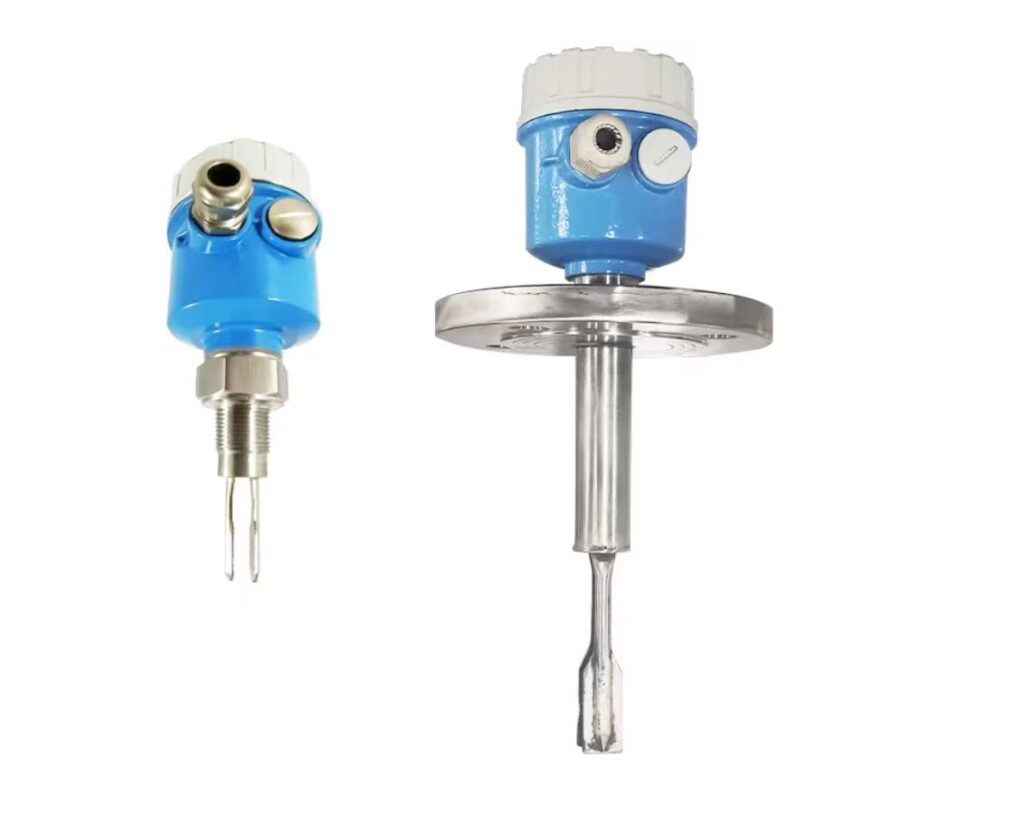
Tuning fork level switches are widely adopted for industrial point level monitoring due to their compact structure, maintenance-free operation and strong anti-interference performance. However, many complex industrial tanks feature heavy surface foam, violent liquid turbulence, splashing and fluctuating liquid levels, which constantly challenge the reliability of level detection.
Key Selection Criteria for Tuning Fork Level Switches: Focus on Temperature, Pressure and Medium Characteristics
Tuning fork level switches are widely used for point-level monitoring of liquids, slurries and solid powders in industrial processes due to their high stability, free-of-maintenance design and strong anti-interference capability. However, improper parameter matching remains the leading cause of on-site false alarms, signal drift and short service life.

