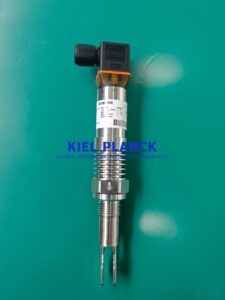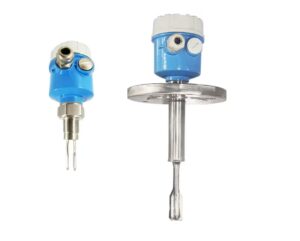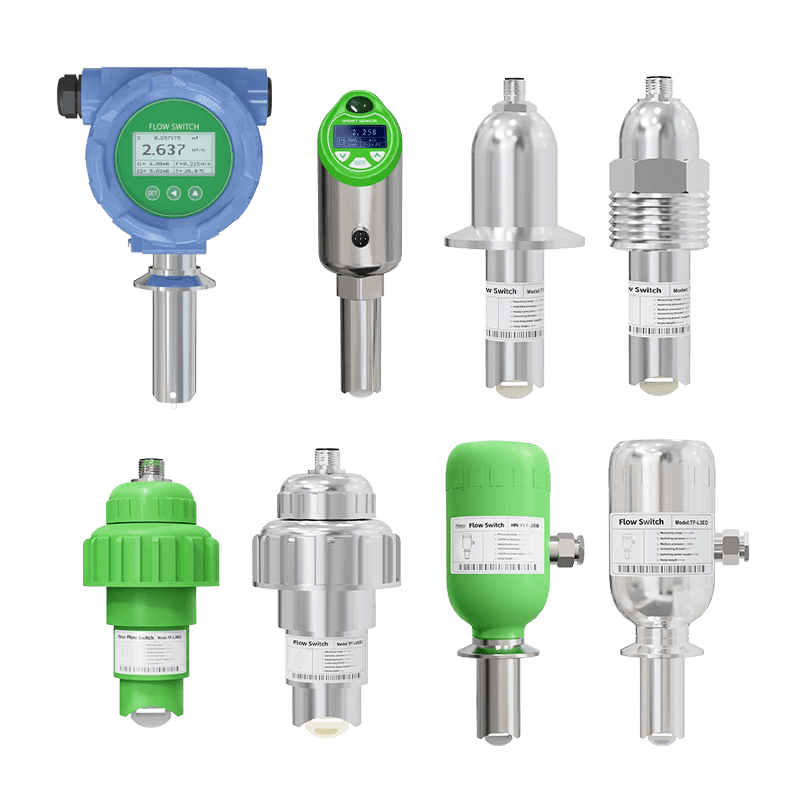
This article summarizes typical selection pitfalls of tuning fork switches in complex tank working conditions, analyzes the failure mechanisms induced by temperature, pressure and medium corrosion, and proposes targeted selection strategies covering material matching, structural configuration and parameter calibration. It provides systematic technical guidelines for industrial users to avoid selection mistakes and ensure long-term reliable operation of level detection equipment in extreme tank environments.
1. Introduction
Chemical, petrochemical and new energy storage tanks often operate under extreme conditions with high temperature, high sealing pressure and strong acid-base corrosive media. Different from conventional normal-temperature and atmospheric environments, these harsh scenarios require excellent mechanical strength, corrosion resistance and thermal stability of level detection instruments. Standard tuning fork switches with ordinary materials and common sealing structures are prone to accelerated aging, structural deformation and chemical erosion in such environments, leading to measurement failure and even tank safety hazards. Most on-site equipment faults stem from insufficient understanding of extreme working condition adaptation rather than product quality defects. Therefore, mastering scientific selection logic is the key to avoiding application pitfalls in high-temperature, high-pressure and corrosive tank scenarios.
2. Common Selection Pitfalls and Corresponding Failure Mechanisms
The first typical pitfall is ignoring high-temperature adaptation and selecting ordinary electronic components. Standard tuning fork switches are only suitable for temperatures below 150°C. When applied to high-temperature tanks above 180°C, internal piezoelectric sensors and circuit boards suffer thermal drift and performance attenuation. Long-term high-temperature operation causes vibration frequency instability, resulting in intermittent false alarms and reduced measurement sensitivity. Many users overlook heat dissipation design and directly apply conventional models, leading to shortened service life of core components.
The second common mistake is mismatched pressure resistance and sealing structure. High-pressure sealed tanks have strict requirements on instrument process connection and pressure-bearing capacity. Ordinary threaded tuning forks with low pressure resistance are prone to thread deformation, sealing failure and medium leakage under long-term high-pressure impact. Inadequate structural strength will cause tiny deformation of the fork body, disrupting stable resonant vibration and completely losing detection accuracy, which seriously endangers tank operation safety.
The third critical pitfall is unreasonable material matching for corrosive media. Conventional 316L stainless steel fork bodies and ordinary rubber seals cannot resist strong acid, alkali and chloride-containing media. Long-term immersion causes pitting corrosion, surface oxidation and seal aging. Corroded fork bodies change vibration characteristics, while failed seals lead to medium penetration and internal circuit damage, triggering permanent equipment failure. Blind universal material selection is the primary cause of short service life in corrosive working conditions.
3. Scientific Selection Strategies for Extreme Working Conditions
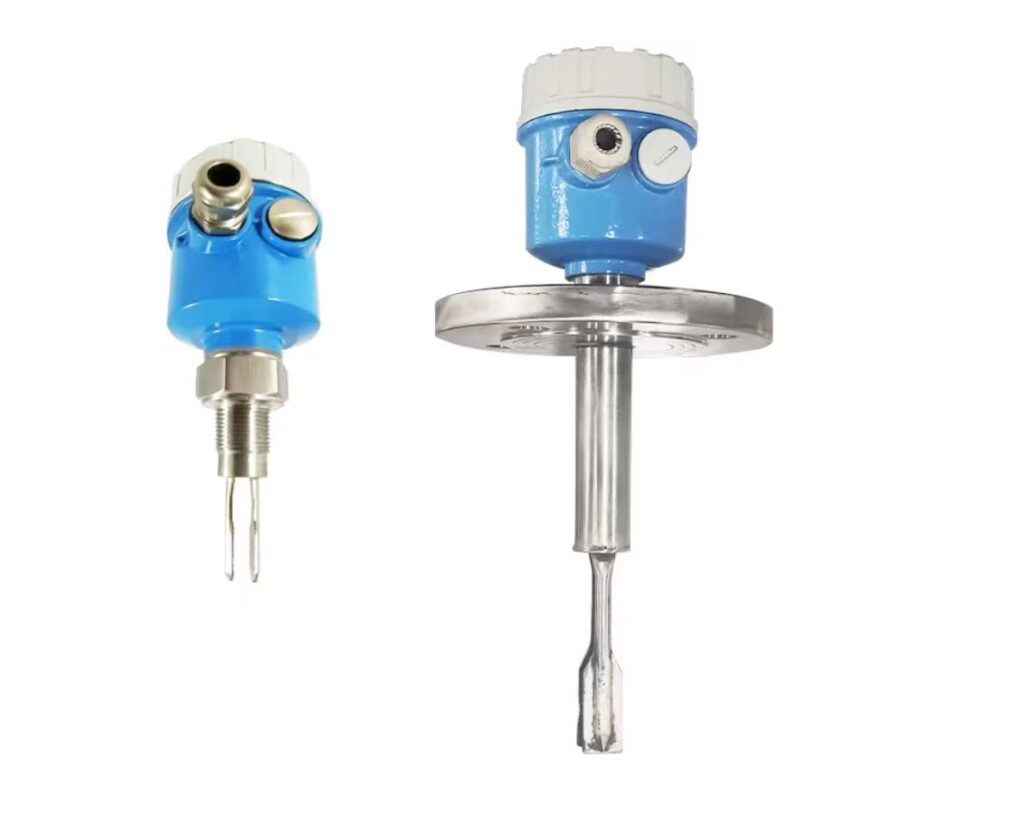
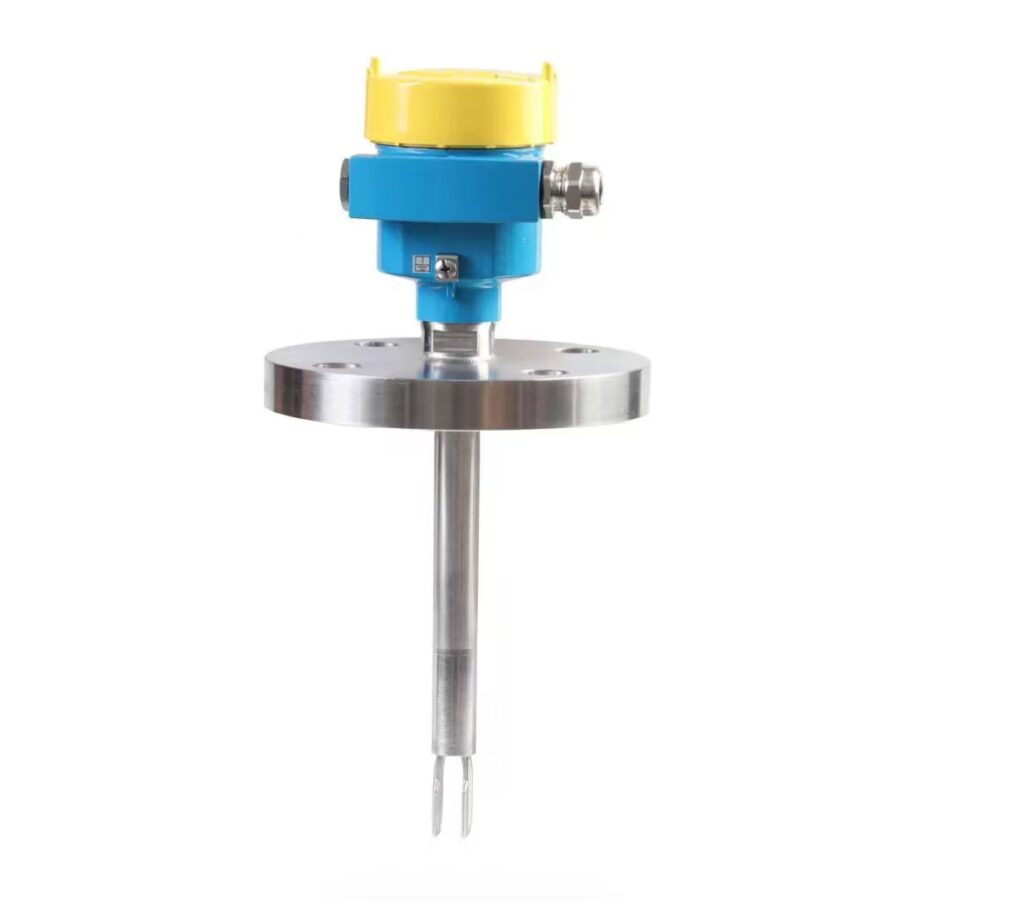
For high-temperature tank conditions, high-temperature customized tuning fork switches with professional heat dissipation structures must be selected. Equipped with heat insulation spacers and extended rod designs, these models isolate high-temperature heat conduction and protect electronic components from thermal damage. High-temperature resistant piezoelectric ceramics and high-stability circuit modules ensure consistent vibration frequency output in long-term high-temperature environments, effectively avoiding thermal drift faults.
For high-pressure sealed tanks, users need to prioritize high-pressure integral forging structures and flange connection modes instead of ordinary threaded connections. The optimized integrated structure improves overall pressure-bearing strength, adapting to long-term high-pressure operation and instantaneous pressure impact. Matching high-pressure resistant sealing materials ensures tight sealing performance and eliminates medium leakage risks, fully meeting the safety standards of pressurized storage tanks.
For strong corrosive media, differentiated material matching is essential. Hastelloy C-276 or titanium alloy fork bodies are suitable for strong acid and high-chloride environments, while duplex stainless steel 2507 performs excellently in alternating acid-base and seawater corrosion conditions. Supporting PTFE or FFKM corrosion-resistant seals replace ordinary rubber parts to prevent chemical erosion and aging failure. This customized material scheme fundamentally solves corrosion-induced equipment faults.
4. Conclusion
The frequent failures of tuning fork level switches in high-temperature, high-pressure and strongly corrosive storage tanks are mainly caused by blind universal selection and mismatched configuration. Ordinary models suffer from thermal drift, pressure deformation and corrosion damage in extreme working conditions, leading to false alarms and safety hazards. Scientific selection must comprehensively consider temperature resistance grade, pressure-bearing structure and corrosion-resistant materials. Adopting high-temperature heat dissipation configuration, high-pressure integral structure and customized anti-corrosion materials can effectively avoid all kinds of application pitfalls. Standardized selection and configuration ensure stable, accurate and safe long-term operation of point-level detection systems for industrial extreme storage tanks.
Scan the QR code to receive more detailed information.