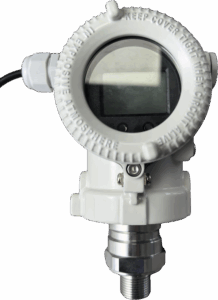
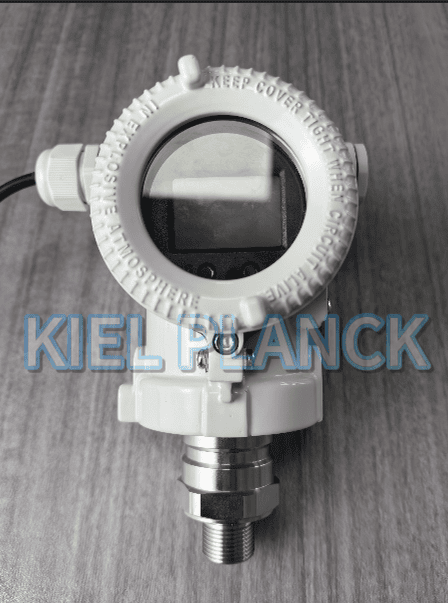
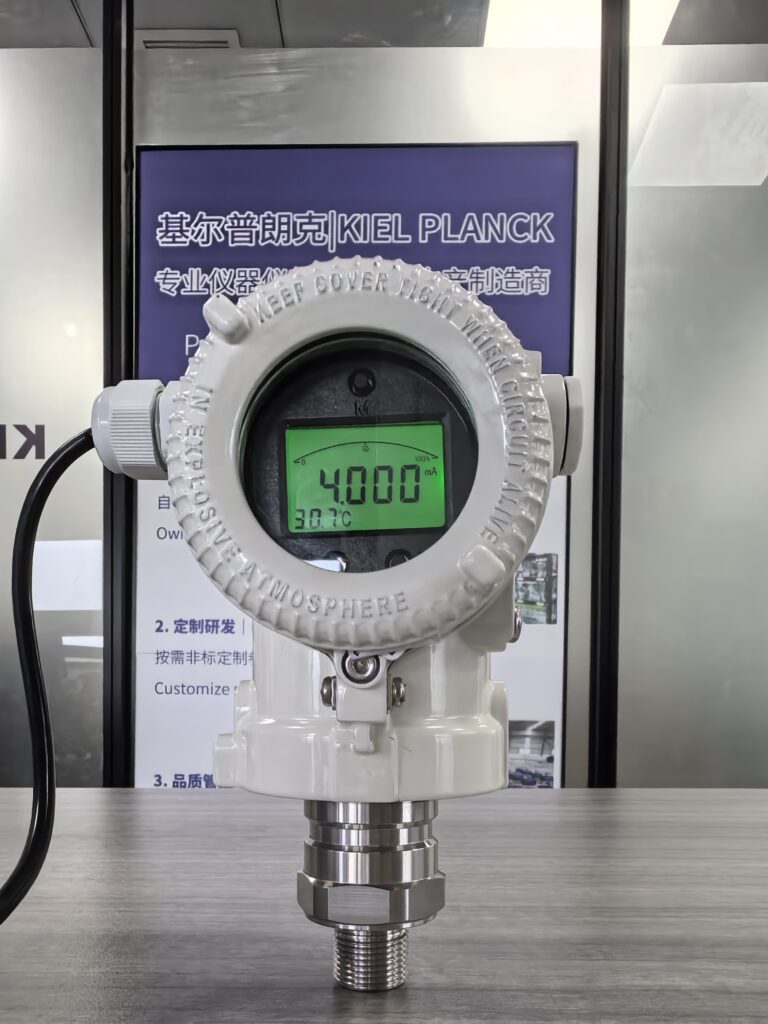
The stable pressure balance between hydrogen and oxygen sides is the key to safe and efficient operation of electrolysis units, making high-precision pressure monitoring indispensable. Monocrystalline silicon pressure transmitters have become ideal measuring equipment for water electrolysis systems due to their high accuracy, excellent long-term stability and strong anti-interference performance. Unlike traditional transmitters, they can adapt to low-pressure fluctuation, humid working environment and frequent load changes of electrolysis devices. This paper analyzes the operating characteristics of alkaline and PEM water electrolysis units, summarizes the key selection parameters of monocrystalline silicon pressure transmitters, including pressure range, measurement accuracy, material adaptability and safety certification, and puts forward targeted selection strategies and error avoidance measures. The study aims to provide a systematic selection reference for engineering application, ensuring pressure balance control, operational safety and long-term stable operation of water electrolysis hydrogen production units.
Keywords: water electrolysis hydrogen production; monocrystalline silicon; pressure transmitter; instrument selection; green hydrogen
1. Introduction
With the rapid development of green energy, water electrolysis hydrogen production has gradually replaced traditional fossil fuel hydrogen production and become the mainstream green hydrogen preparation method. Water electrolysis units operate under low to medium pressure, with strict requirements for pressure difference balance between hydrogen and oxygen chambers. Slight pressure deviation may cause gas mixing, equipment damage or even explosion risks. As the core monitoring component, pressure transmitters directly affect the precision of system closed-loop control and safety interlock. Monocrystalline silicon pressure transmitters adopt advanced MEMS monocrystalline silicon sensing chips, featuring higher measurement precision, lower temperature drift and better overload resistance than conventional diffused silicon transmitters, which can fully meet the high-precision monitoring demands of water electrolysis hydrogen production processes. Therefore, scientific and standardized selection is crucial to optimize system operation and reduce maintenance costs.
2. Operating Characteristics of Water Electrolysis Units
Water electrolysis hydrogen production systems have distinct working condition characteristics different from petrochemical hydrogen production equipment. First, the operating pressure is low and stable, mostly ranging from 0.1 MPa to 4.0 MPa, requiring high sensitivity for micro-pressure fluctuation monitoring. Second, the on-site environment is humid with water vapor and trace electrolyte mist, which may cause corrosion and signal interference to sensing components. Third, the unit often undergoes load adjustment with renewable energy power fluctuations, leading to frequent small-range pressure pulsations. In addition, hydrogen and oxygen belong to flammable and explosive gases, putting forward strict explosion-proof and safety requirements for field instruments. These characteristics determine that transmitters must have high precision, humidity resistance, corrosion resistance and intrinsic safety performance.
3. Core Selection Criteria
3.1 Precision and Range Matching
High precision is the primary advantage of monocrystalline silicon transmitters, with the mainstream accuracy reaching ±0.075% FS, which can accurately capture tiny pressure differences between hydrogen and oxygen sides. For conventional electrolysis units, the measuring range should be 1.2 to 1.5 times the rated working pressure to reserve fluctuation margin. The optimal working range is controlled at 50% to 70% of the full scale to ensure the best linearity and measurement stability. Meanwhile, transmitters with adjustable damping functions are preferred to suppress pressure pulsations caused by load changes and avoid frequent signal jitter.
3.2 Material and Environmental Adaptability
The humid and slightly corrosive working environment of electrolysis units requires strict matching of transmitter materials. The diaphragm and process connection should adopt 316L stainless steel with excellent water vapor and electrolyte corrosion resistance. Monocrystalline silicon sensing elements feature ultra-low temperature drift, which can adapt to the long-term temperature cycle of 0℃ to 70℃ in electrolysis workshops without zero drift, ensuring long-term stable measurement. In addition, the equipment protection grade shall not be lower than IP67 to resist on-site humidity and dust erosion.
3.3 Safety and Communication Performance
All transmitters used in hydrogen-oxygen explosive areas must pass intrinsic safety explosion-proof certification to meet hazardous area operation standards. For key pressure monitoring loops related to unit safety interlock, products with SIL2 functional safety certification are recommended to reduce failure risks. In terms of signal output, 4-20mA analog signal with HART digital communication protocol is the optimal choice, supporting remote debugging, real-time data transmission and fault diagnosis, and compatible with mainstream DCS control systems of electrolysis equipment.
4. Common Selection Mistakes
In practical engineering applications, the most common problem is over-selection of high-range transmitters, which reduces the effective measurement accuracy of micro-pressure fluctuations. Some projects ignore the on-site humid environment and select ordinary transmitters without corrosion resistance, resulting in shortened service life and frequent calibration failures. In addition, neglecting explosion-proof and functional safety certification will bring hidden dangers to the safe operation of hydrogen production units. It is necessary to select targeted products according to the actual process parameters of alkaline or PEM electrolysis equipment.
5. Conclusion
Monocrystalline silicon pressure transmitters, with their high precision, long-term stability and strong environmental adaptability, are the preferred measuring instruments for water electrolysis green hydrogen production units. The core of scientific selection is to match the low-pressure and high-precision monitoring demands of electrolysis processes, select appropriate measuring ranges and corrosion-resistant materials, and strictly comply with explosion-proof and functional safety standards. Reasonable selection and application can effectively improve the pressure balance control accuracy of electrolysis units, avoid gas mixing and safety accidents, reduce equipment operation and maintenance costs, and provide reliable technical support for the safe, stable and efficient operation of green hydrogen production systems.
Scan the QR code to receive more detailed information.