However, industry surveys show that nearly 90% of electrolyzer manufacturing and operation plants have made inappropriate choices for pressure transmitters, triggering hidden risks such as inaccurate pressure monitoring, unstable gas balance, frequent equipment calibration, and shortened service life. Most enterprises simply apply conventional industrial transmitter selection standards, ignoring the low-pressure fluctuation, high humidity, hydrogen-oxygen explosion-proof, and micro-pressure precision requirements of electrolysis systems. This article summarizes the three most common erroneous selection behaviors in the industry, analyzes the operational hazards of mismatched transmitters for alkaline and PEM electrolyzers, and proposes targeted scientific selection principles suitable for water electrolysis working conditions. It aims to help electrolyzer enterprises eliminate blind selection habits, optimize pressure monitoring system configuration, and ensure safe, stable and long-cycle operation of green hydrogen production equipment.
Keywords: hydrogen energy boom; water electrolyzer; pressure transmitter; selection error; green hydrogen production; process safety
1. Introduction
With the global energy transition accelerating, green hydrogen produced by water electrolysis has become a key strategic direction for replacing fossil energy. The rapid expansion of the hydrogen energy market has led to a surge in demand for supporting instruments and meters for electrolyzers. As a core component of system pressure monitoring and safety interlock, pressure transmitters determine the pressure difference balance between hydrogen and oxygen chambers, which is directly related to the operational safety and gas production efficiency of electrolysis units. Nevertheless, affected by traditional industrial selection experience, most electrolyzer plants prioritize cost and range parameters while ignoring the unique working condition characteristics of electrolysis systems, resulting in a high proportion of mismatched transmitters. This widespread industry selection deviation has become a common bottleneck restricting the standardized and high-quality development of the hydrogen energy industry.
2. Three Typical Selection Errors in Electrolyzer Plants
The first and most prevalent error is unreasonable pressure range matching. Most enterprises select transmitters based on the maximum design pressure of electrolyzers and blindly choose wide-range models. While this approach reserves overpressure margin, it greatly reduces the measurement resolution of micro-pressure fluctuations. Electrolysis systems require precise monitoring of tiny pressure differences within 0.1–4.0 MPa, and excessive ranges will fail to capture subtle pressure changes, causing unstable gas balance and intermittent system jitter.
Second, enterprises ignore specialized material and environmental adaptability. Many plants adopt ordinary 304 stainless steel transmitters for cost saving. Long-term exposure to humid water vapor and trace electrolyte mist in electrolysis workshops leads to diaphragm corrosion, hydrogen embrittlement and zero drift. In addition, most ordinary transmitters lack high-level dust and moisture resistance, resulting in frequent signal failure and increased maintenance frequency in long-term operation.
Third, safety certification and functional configuration are mismatched. A large number of projects use general-purpose transmitters without intrinsic safety explosion-proof certification, ignoring the flammable and explosive characteristics of hydrogen-oxygen mixed gas. Meanwhile, enterprises overlook the damping adjustment and high-precision anti-interference functions required for electrolyzer load fluctuation, making it impossible to adapt to frequent pressure pulsations caused by renewable energy power fluctuations.
3. Operational Hazards of Wrong Transmitter Selection
Improper transmitter selection brings multi-dimensional hidden dangers to electrolyzer operation. In terms of safety, inaccurate micro-pressure monitoring may cause pressure imbalance between hydrogen and oxygen sides, leading to gas mixing risk and even explosion accidents in severe cases. In terms of operation and maintenance, mismatched transmitters suffer from severe measurement drift, requiring frequent calibration and replacement, which greatly increases operating costs and downtime losses. In terms of production efficiency, unstable pressure signals affect the closed-loop control accuracy of the electrolysis system, reduce hydrogen production efficiency, and restrict the stable output of green hydrogen projects.
4. Scientific Selection Principles for Electrolyzer Pressure Transmitters
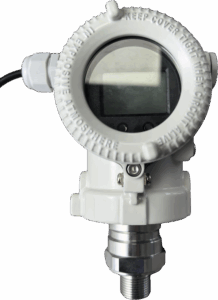
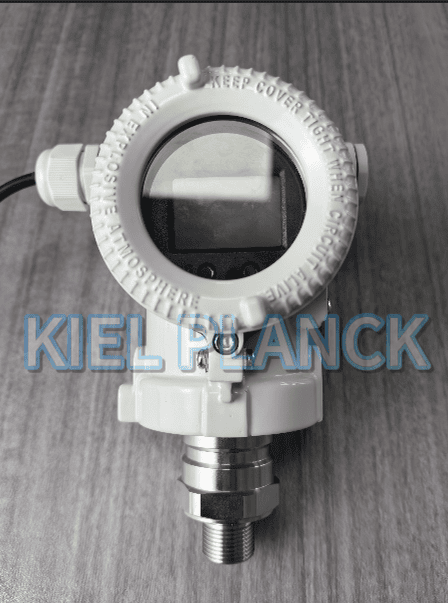
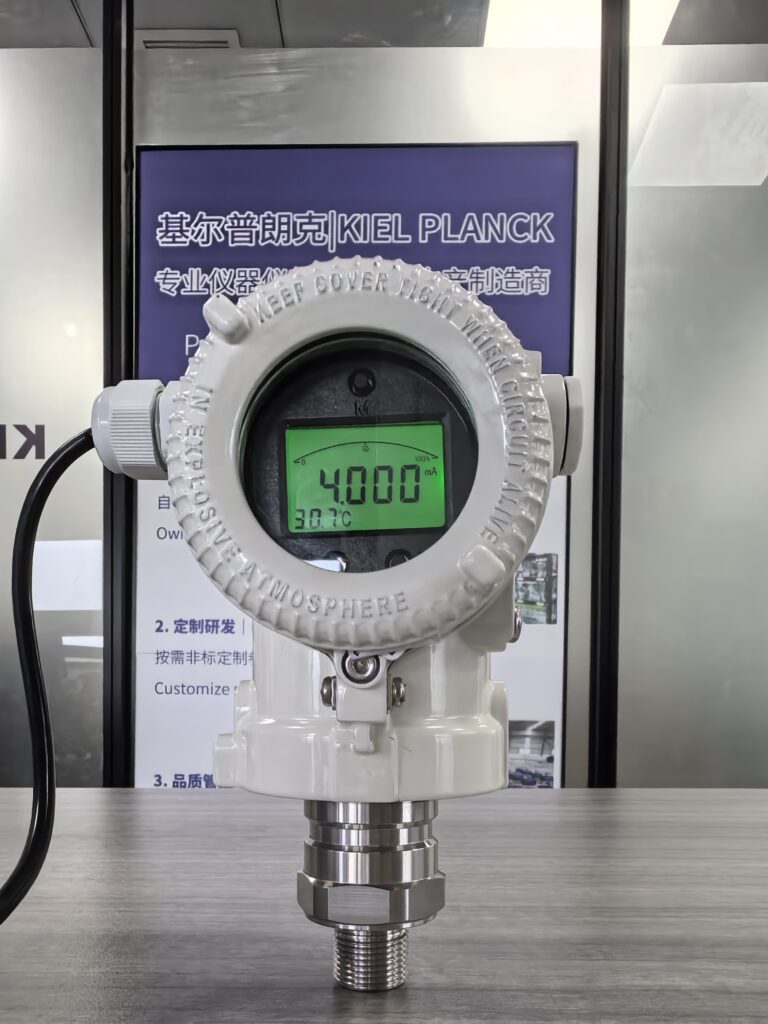
First, follow the precise range matching rule. The optimal measuring range should be 1.2–1.5 times the rated working pressure, keeping the actual operating pressure within 50%–70% of the full scale to ensure optimal linearity and micro-pressure resolution. Second, prioritize specialized corrosion-resistant and anti-hydrogen-embrittlement materials such as 316L stainless steel diaphragms, with equipment protection grade reaching IP67 to adapt to humid electrolysis environments. Third, strictly verify intrinsic safety explosion-proof certification and SIL2 functional safety certification for key interlock loops, and select transmitters with adjustable damping and HART communication functions to adapt to load fluctuation and remote intelligent debugging.
5. Conclusion
Against the backdrop of the booming hydrogen energy industry, the widespread wrong selection of pressure transmitters in electrolyzer plants stems from the confusion between traditional industrial selection logic and the unique working condition demands of water electrolysis systems. Blind range enlargement, cost-oriented material simplification, and neglected safety certification are the three core causes of instrument mismatch and operational risks. Electrolyzer enterprises must abandon empirical selection habits and formulate standardized selection schemes based on the low-pressure precision monitoring, anti-corrosion, moisture-proof and explosion-proof characteristics of electrolysis processes. Correct transmitter selection can effectively eliminate potential safety hazards, reduce equipment maintenance costs, improve hydrogen production stability and efficiency, and provide solid basic support for the standardized and sustainable development of the green hydrogen industry.
Scan the QR code to receive more detailed information.