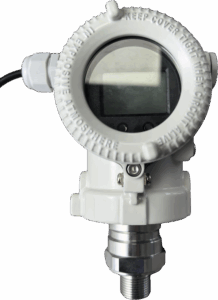
Monocrystalline silicon pressure transmitters, featured with high measurement accuracy, excellent temperature stability, and hygienic structural design, have become key monitoring instruments for biological fermentation tank systems. Different from industrial transmitters, transmitters for fermentation scenarios must not only meet high-precision pressure monitoring demands for microbial growth and fermentation reaction control but also strictly comply with GMP specifications for sterile production, equipment sanitation, and data traceability. This paper analyzes the practical application value of monocrystalline silicon pressure transmitters in biological fermentation tanks, summarizes core GMP compliance requirements including hygienic design, material certification, CIP/SIP adaptability, and data management, and clarifies key deployment and maintenance specifications. The research provides a standardized application guideline for pharmaceutical and biotech enterprises to ensure stable fermentation process operation, eliminate contamination risks, and achieve full GMP compliance of production systems.
Keywords: monocrystalline silicon pressure transmitter; biological fermentation tank; GMP compliance; hygienic design; sterile production; process monitoring
1. Introduction
Biological fermentation processes require a strictly controlled sterile and stable pressure environment. Tiny pressure fluctuations in fermentation tanks will affect oxygen supply, microbial metabolism, and fermentation broth stability, further causing product yield reduction and quality inconsistency. Traditional pressure transmitters suffer from low precision, severe temperature drift, and dead-corner structure, which cannot adapt to high-standard sterile fermentation scenarios. With high resolution, long-term stability, and hygienic integrated design, monocrystalline silicon pressure transmitters can accurately monitor micro-pressure changes in fermentation tanks in real time. Meanwhile, as key process equipment in pharmaceutical and biotech production, their overall performance and configuration must fully comply with GMP management norms to guarantee production safety, product purity, and process traceability.
2. Core Application Advantages in Fermentation Tanks
Monocrystalline silicon pressure transmitters have unique technical advantages suitable for fermentation working conditions. First, they deliver ultra-high measurement accuracy up to ±0.075% FS, which can capture subtle pressure changes in the tank and support precise closed-loop control of fermentation aeration and pressure difference balance. Second, the monocrystalline silicon sensing chip features ultra-low temperature drift, maintaining stable measurement data during frequent high-temperature sterilization and process temperature fluctuations. Third, the flush diaphragm structure avoids material accumulation and dead corners, effectively preventing fermentation broth residue and microbial breeding. In addition, the product supports HART digital communication, realizing real-time data transmission, remote debugging and fault diagnosis, which meets the intelligent control demands of modern fermentation production lines.
3. Key GMP Compliance Essentials
GMP compliance is the core requirement for instrument application in biological fermentation production, covering material, structure, process adaptability and data management. In terms of hygienic materials, all wetted parts must adopt food-grade 316L stainless steel with surface roughness Ra≤0.4μm, equipped with FDA-certified filling liquid to avoid medium contamination and meet sterile production standards. Structurally, integrated welding and no-dead-angle design is mandatory to adapt to automatic CIP cleaning and 121℃ SIP high-temperature sterilization, ensuring no residue retention and no cross-contamination risk.
In terms of functional and data compliance, transmitters must support continuous and stable data recording to meet GMP traceability requirements, with anti-interference performance to ensure no data distortion during production and sterilization processes. Regular calibration and complete equipment files including certification documents, calibration records and maintenance logs are also essential. Meanwhile, the equipment protection grade shall reach IP67 or above to adapt to humid and sterile workshop environments, ensuring long-term stable operation without sanitary hidden dangers.
4. Standardized Deployment and Maintenance Principles
To maintain long-term GMP compliance, enterprises should follow standardized deployment specifications. The transmitter shall be installed in a stable position convenient for cleaning and inspection, avoiding dead corners and sheltered areas. During daily operation, regular appearance inspection, precision calibration and sanitary detection are required to eliminate residual dirt and measurement drift. All operation, calibration and maintenance records must be completely archived to form a full-cycle traceability system, complying with GMP’s whole-process quality management requirements for production equipment.
5. Conclusion
Monocrystalline silicon pressure transmitters provide high-precision and highly reliable pressure monitoring support for biological fermentation tank production, effectively solving the pain points of low precision and easy contamination of traditional instruments. In biopharmaceutical and biological fermentation scenarios, instrument application is not only a technical matching issue but also a systematic GMP compliance project. Enterprises must strictly implement hygienic material standards, CIP/SIP adaptability specifications and data traceability management norms. Standardized application and maintenance of monocrystalline silicon transmitters can effectively ensure the sterile, stable and efficient operation of fermentation processes, guarantee consistent product quality, and help enterprises fully meet GMP production and audit requirements.
Scan the QR code to receive more detailed information.