Composition of vortex flow metering and requirements for vortex generators - Kiel Planck
  • Home
        • New Product

          Composition of vortex flow metering and requirements for vortex generators - Kiel Planck

          There is a solution for every application. Let’s work together to find the right solution for you.

          Your benefits

          We use our experience to move your project forward.

          PHONE: 400-8868-261

          E-mail: info@kielplanckprc.com / kielplanck@outlook.com

  • Application
  • Service
  • Brand
  • Blog
  • Contact Us

Composition of vortex flow metering and requirements for vortex generators

Composition of vortex flow metering and requirements for vortex generators

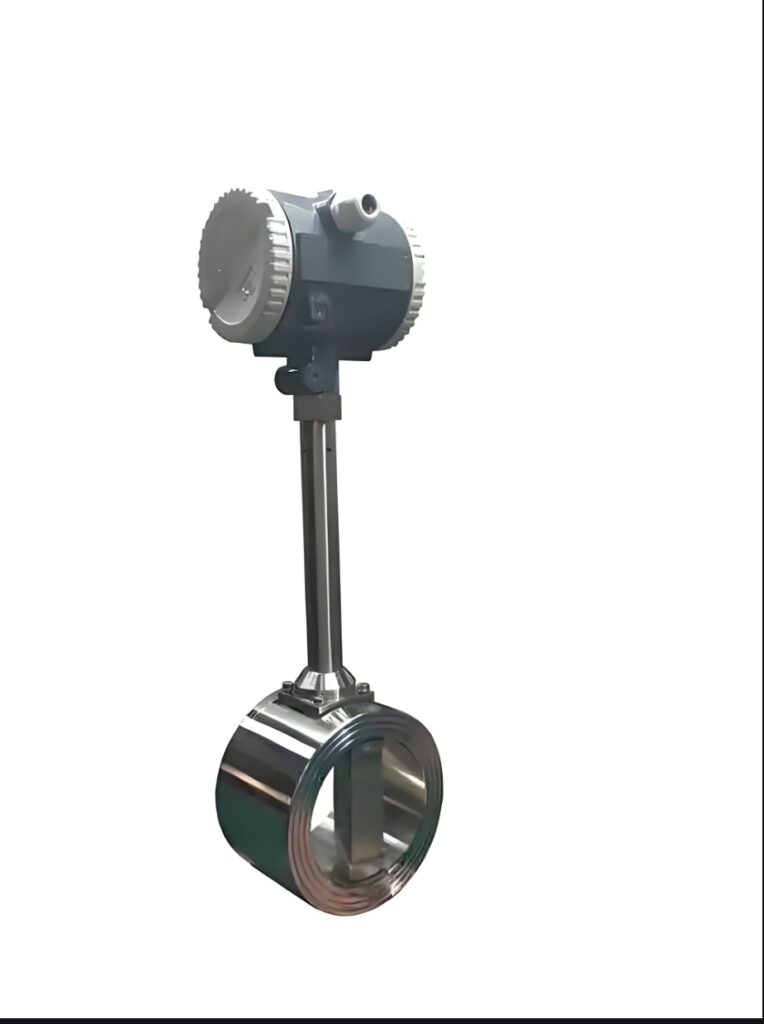
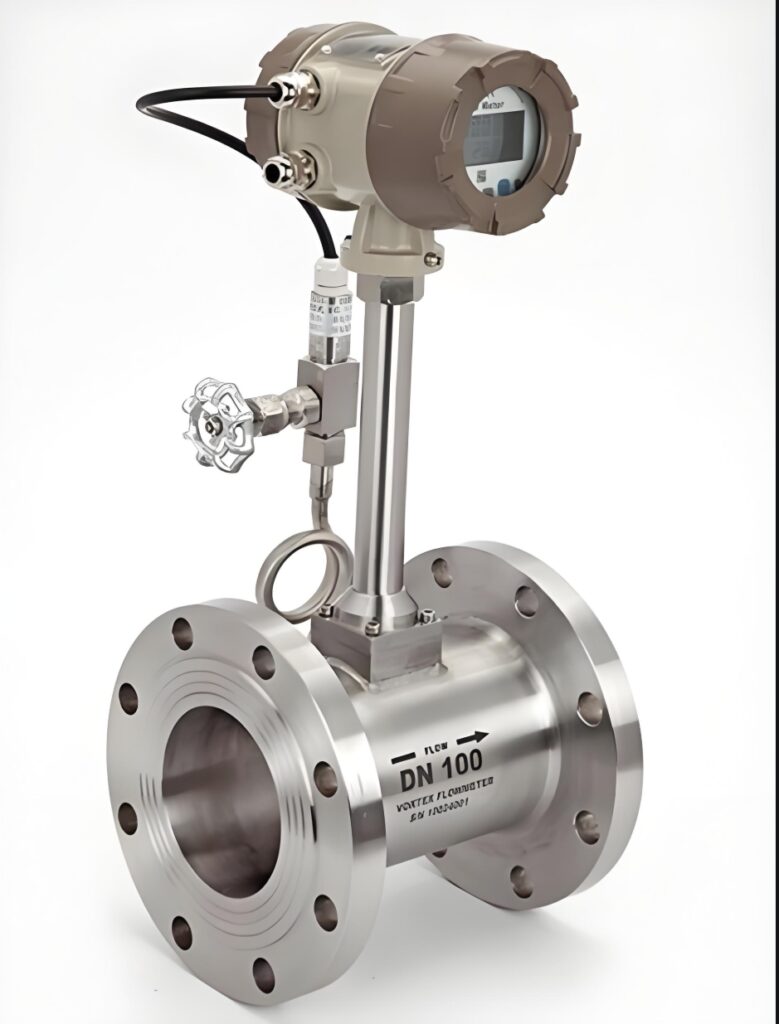
Vortex flow metering is a mature fluid measurement technology widely used in industrial detection of liquid, gas and steam media. Its overall measuring system consists of multiple core components that cooperate to complete accurate flow collection, signal conversion and data output. As the key core component of the entire device, the vortex generator directly determines the stability of vortex shedding and the accuracy of flow measurement. Understanding the complete composition of vortex flow metering and the technical requirements of vortex generators is essential for equipment selection, installation and long-term stable operation.
A complete vortex flow metering system is mainly composed of three core parts: the sensor unit, the signal processing unit and the display transmission unit. The sensor unit includes the pipeline body, vortex generator and detection sensors. It is responsible for generating regular vortex signals and capturing original flow signals in the fluid. The signal processing unit is the core of data conversion, which filters, amplifies and calculates the weak frequency signals collected by the sensor, converts vortex shedding frequency into corresponding flow parameters, and eliminates interference signals such as pipeline vibration and fluid noise. The display transmission unit is used for real-time data display, parameter setting and remote signal output, supporting on-site viewing and industrial system linkage control.
In terms of material requirements, vortex generators need to adopt high-strength, corrosion-resistant and wear-resistant materials such as stainless steel. Since it is in long-term contact with various industrial fluids, the material must resist chemical corrosion, high-temperature oxidation and fluid scouring. No deformation, rust or scaling is allowed during long-term operation, because tiny structural changes will cause vortex disorder and lead to measurement deviation. In addition, the surface of the generator must be smooth and flat to prevent impurity adhesion and ensure consistent fluid separation effect.
Moreover, installation and matching requirements cannot be ignored. The vortex generator must be installed coaxially with the measuring pipeline firmly without deviation or looseness. It needs to match the pipeline diameter and meet the straight pipe section requirements before and after installation to avoid the influence of fluid turbulence on vortex generation. In conclusion, the complete and standardized system composition guarantees the basic operation of vortex flow metering, while the standardized design, high-quality materials and accurate installation of vortex generators are the core prerequisites for ensuring high-precision, stable and long-term measurement of vortex flow meters.
Composition of vortex flow metering and requirements for vortex generators - Kiel Planck

Scan the QR code to receive more detailed information.
Composition of vortex flow metering and requirements for vortex generators - Kiel Planck

Share:

More Posts

Water quality analyzer detection principle - Kiel Planck

Water quality analyzer detection principle

Water separators, especially oil-water separators and gas-water separators, are essential industrial purification equipment widely deployed in compressed air systems, industrial wastewater treatment, fuel purification, petrochemical production and mechanical supporting fields.

Comparison and Verification Methods for Joint Water Quality Analyzers - Kiel Planck

Comparison and Verification Methods for Joint Water Quality Analyzers

Joint multi-parameter water quality analyzers integrate electrochemical sensing, optical spectrophotometry and automatic titration technologies to simultaneously detect physical, chemical and nutritional indicators in water bodies, widely used in environmental monitoring stations, municipal water plants, industrial wastewater stations and third-party testing laboratories.

Common problems with online moisture analyzers - Kiel Planck

Common problems with online moisture analyzers

Online moisture analyzers are critical real-time detection devices widely applied in food processing, pharmaceutical production, chemical materials, mining metallurgy, building materials and biomass energy industries

How to choose the right quality analyzer? - Kiel Planck

How to choose the right quality analyzer?

Water quality analyzers vary widely in detection principles, functional configurations, accuracy grades and application scenarios. Improper instrument selection often leads to insufficient detection accuracy, mismatched operating conditions, wasted equipment investment, or failure to meet environmental compliance and laboratory accreditation requirements.

Send Us A Message

captcha
Reload

Bitte geben Sie die im CAPTCHA angezeigten Zeichen ein, um sicherzustellen, dass Sie ein Mensch sind.

Email
Email: info@kielplanckprc.com
WhatsApp
WhatsApp Me