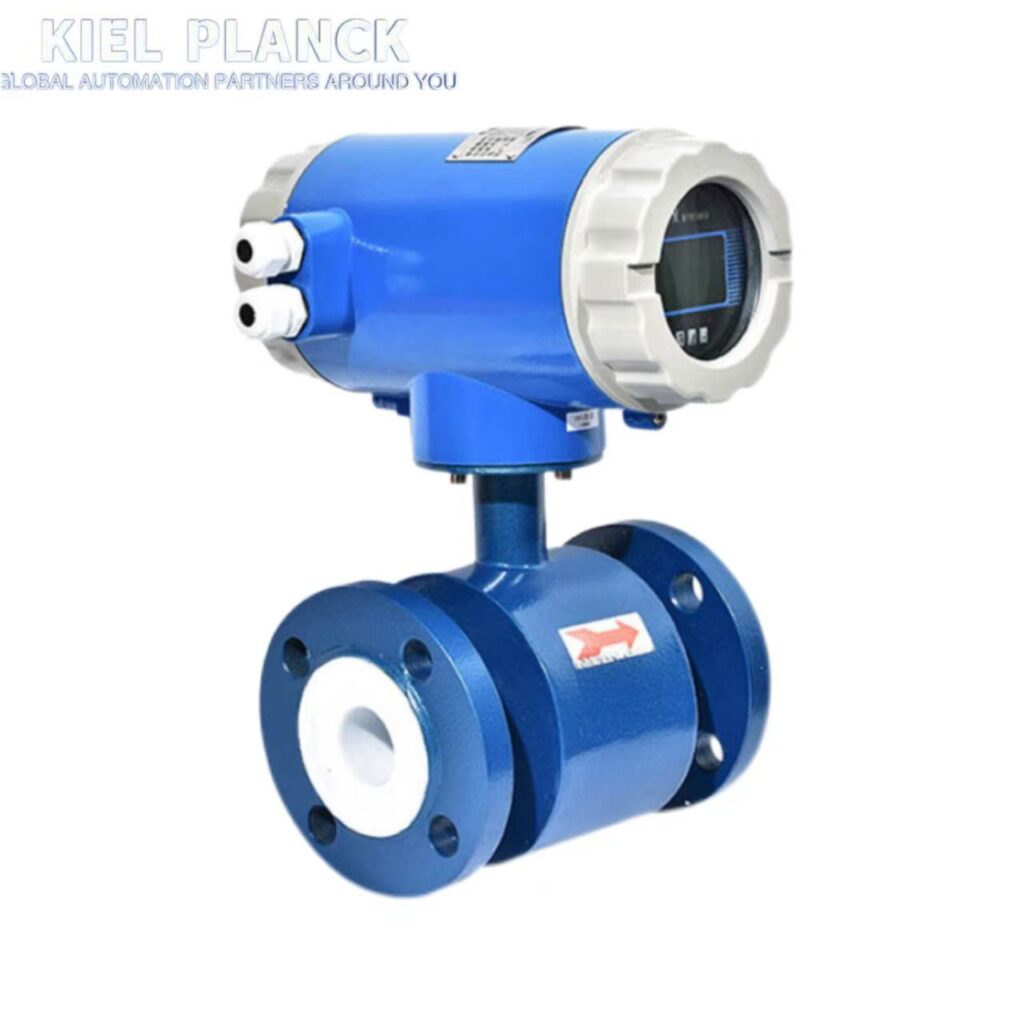
Electromagnetic Flowmeter Fault Analysis & Troubleshooting
1. No Flow Signal / Zero Reading (No Output)
- Possible Causes
- The measuring pipe is not fully filled with medium.
- Power supply failure or loose wiring terminals.
- Broken excitation coil or damaged electrode.
- Flow rate is lower than the instrument’s minimum measurable range.
- Blockage inside the sensor pipe.
- Solutions
- Adjust pipeline layout to ensure full pipe flow.
- Check power circuit and re-tighten all connections.
- Test coil and electrode resistance, replace damaged parts.
- Select a flowmeter with a smaller measuring range.
- Clean foreign matters inside the sensor.
2. Unstable Fluctuating Reading
- Possible Causes
- Medium contains air bubbles or solid impurities.
- Severe pipeline vibration or external electromagnetic interference.
- Poor grounding or damaged shielding wire.
- Partial adhesion of dirt on electrodes.
- Abnormal liquid conductivity.
- Solutions
- Install exhaust valves to remove gas; filter impurities.
- Reinforce pipeline fixation; stay away from high-power electrical equipment.
- Reconnect grounding wire and inspect shielding layer.
- Clean electrode surface regularly.
- Confirm the medium meets conductivity requirements.
3. Large Measurement Deviation (Inaccurate Value)
- Possible Causes
- Incorrect parameter setting (range, pipe diameter, unit).
- Wrong installation direction of the sensor.
- Serious scaling on the inner wall of the measuring tube.
- Inconsistent actual medium with calibrated medium.
- Excessive upstream/downstream straight pipe section deficiency.
- Solutions
- Recheck and reset all configuration parameters.
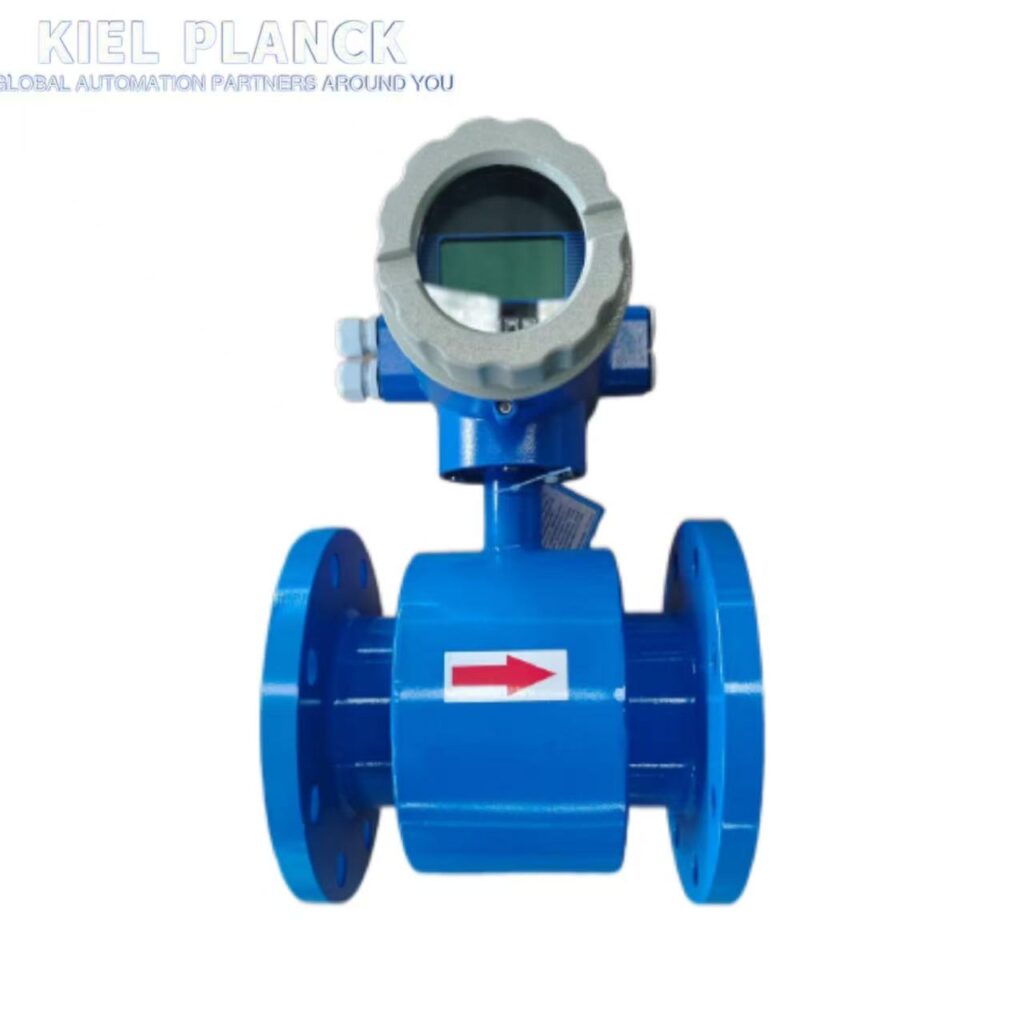
- Install the sensor strictly according to the flow direction mark.
- Remove scaling and clean the measuring tube.
- Recalibrate if the medium changes greatly.
- Ensure sufficient straight pipe sections before and after installation.
4. Cannot Return to Zero (Zero Drift)
- Possible Causes
- Residual medium or sediment inside the pipe.
- Electrode corrosion or surface contamination.
- Long-term operation without zero calibration.
- Uneven internal stress of the pipeline.
- Solutions
- Empty the pipeline completely before zero setting.
- Polish and clean corroded or dirty electrodes.
- Perform regular zero point calibration.
- Eliminate pipeline stress and re-fix the sensor.
5. Alarm Code Triggered
- Common Alarms & Handling
- Excitation Fault: Check excitation circuit, coil and wiring.
- Electrode Open Circuit: Inspect electrode cable and electrode integrity.
- Over Range: Confirm actual flow exceeds measuring range, replace matched model.
- Communication Fault: Check communication line, address and protocol settings.
6. Signal Loss under Normal Flow
- Possible Causes
- Cable aging, breakage or water ingress.
- Loose contact between sensor and converter.
- Ambient temperature exceeds the instrument’s operating limit.
- Solutions
- Replace damaged signal cables and do waterproof treatment.
- Reconnect and lock the connector.
- Improve on-site heat dissipation or select high-temperature resistant model.
Supplementary Notes
- Cut off power supply before all maintenance operations to avoid electric shock.
- Regular cleaning and inspection can effectively reduce failure rates.
- If internal components are severely damaged, please contact professional after-sales service.
Scan the QR code to receive more detailed information.