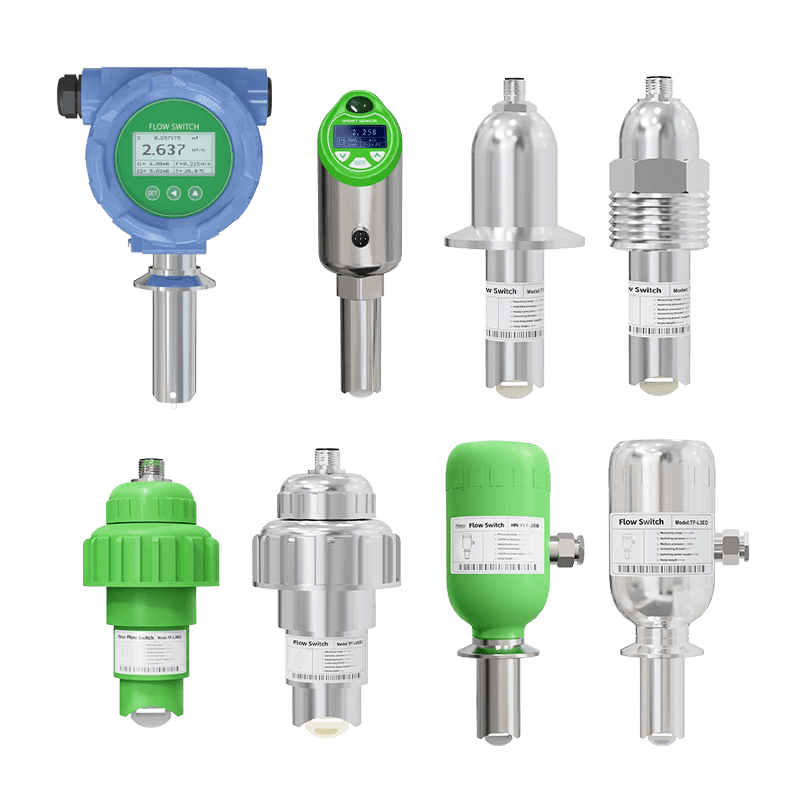
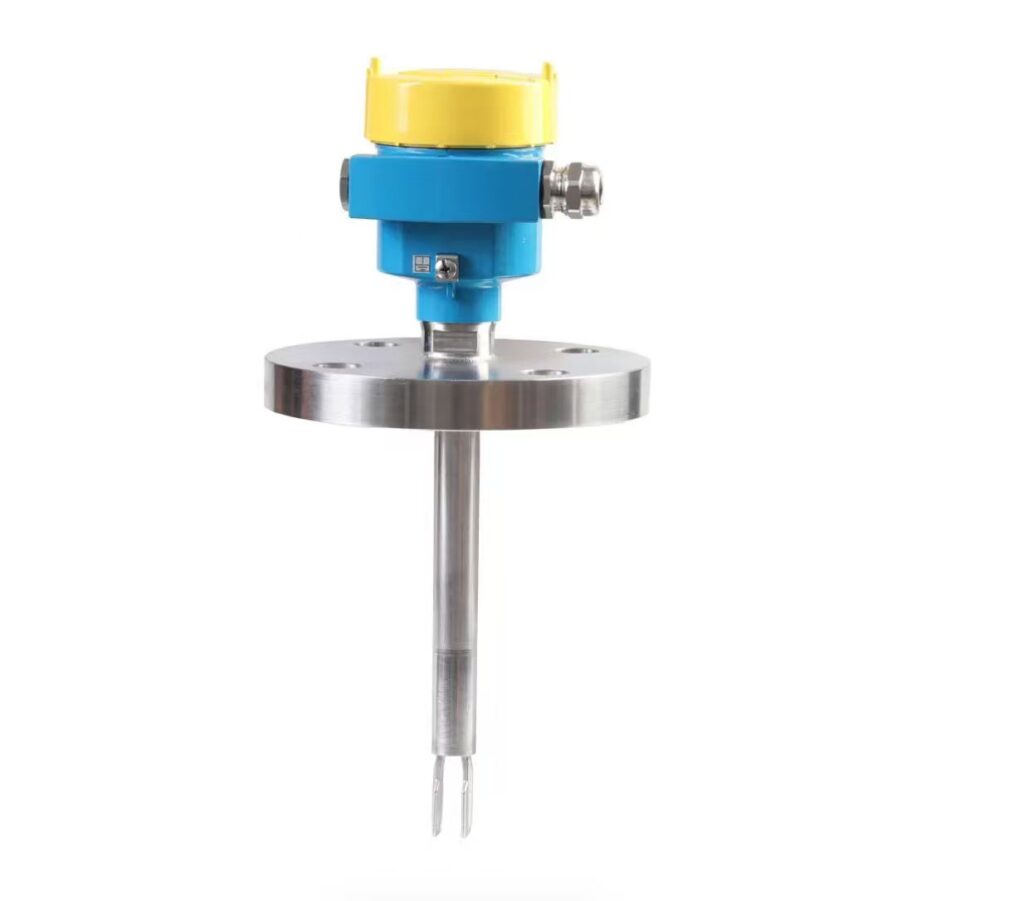
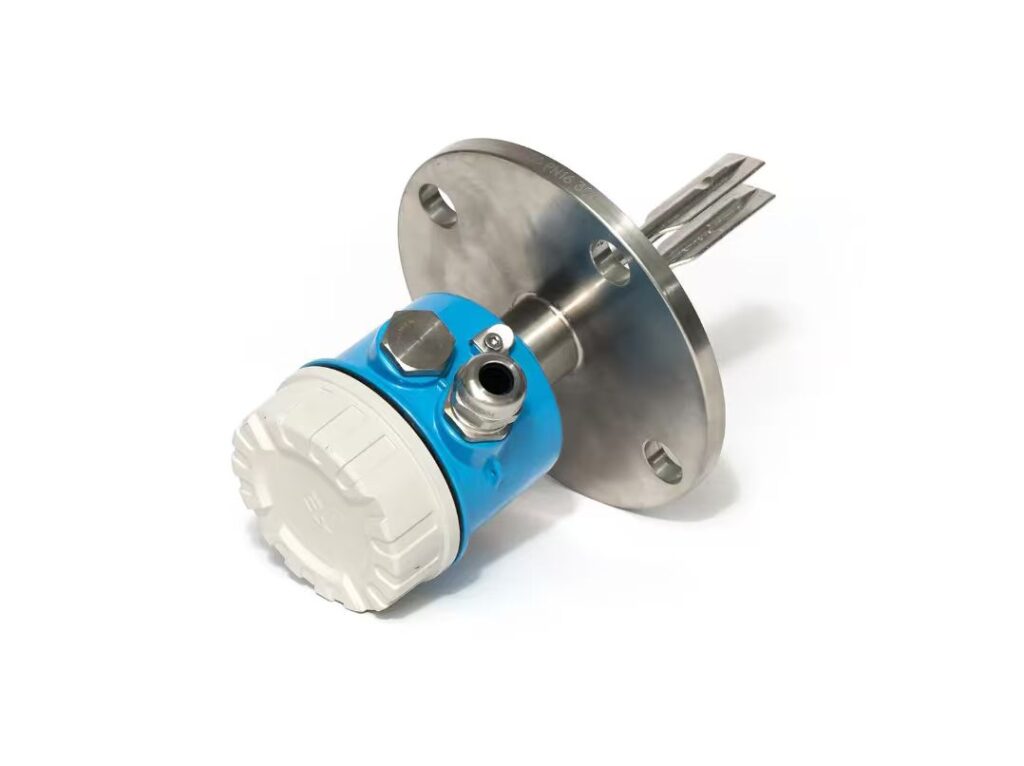
Tuning fork level switches are widely adopted industrial point-level measurement instruments, valued for their stable vibration detection principle, strong anti-interference ability and maintenance-free operation. They feature clear and practical applicable ranges covering diverse media, temperature and pressure conditions, complex working environments and multiple industrial scenarios, while also having definite application boundaries to ensure accurate and reliable level monitoring.
In terms of applicable media, tuning fork switches suit most common liquid and powder solid materials. For liquids, they work well with water, oil, chemical solvents, and low-viscosity industrial fluids, and can effectively filter interference from lightweight foam and floating water mist. For solids, they are ideal for granular and powdery materials such as grain, plastic particles, cement powder and chemical fine powder. However, they are not suitable for extremely viscous, easily curing or strongly adhesive media that may solidify the fork probe and paralyze vibration detection.
Regarding temperature and pressure adaptability, standard and customized models cover most conventional industrial working conditions. Ordinary tuning fork switches adapt to working temperatures ranging from -40°C to +120°C, while high-temperature resistant versions can withstand up to 250°C, fully meeting the demands of high-temperature steam reactors and thermal production systems. In terms of pressure resistance, they stably operate under working pressure from vacuum to 4.0MPa, compatible with most conventional atmospheric pressure and medium-pressure sealed tanks and pipelines.
For complex environmental applicability, the switches excel in harsh interference-prone scenarios. They are perfectly applicable to dusty workshops, steam-filled equipment, and ventilation pipelines with floating mist, where ultrasonic and capacitive sensors frequently fail. Equipped with PTFE flange and full stainless steel structures, customized models can adapt to weakly corrosive and moderately corrosive working conditions in chemical, pharmaceutical and sewage industries. Besides, they resist conventional on-site electromagnetic interference and slight mechanical vibration, ensuring consistent detection accuracy.
In terms of industrial application scenarios, they cover diverse conventional production fields. Common applicable scenarios include material level monitoring of storage silos, liquid level limit control of reaction kettles, pipeline overflow and empty pipe protection, and material shortage and full alarm in automated production lines. They are widely used in petrochemical, food processing, pharmaceutical manufacturing, water treatment, building materials and grain industries.
Nevertheless, tuning fork level switches have limited applicable boundaries. They are not recommended for ultra-high viscosity media, easily crystallized sticky materials, or scenarios with severe mechanical impact and strong corrosive media beyond equipment parameters. In ultra-high temperature and ultra-high pressure extreme working conditions, professional customized high-specification models are required.
In summary, tuning fork level switches apply to most conventional liquid and powder media, wide temperature and pressure ranges, and complex environments with dust, foam and steam interference. With broad industrial adaptability and only minor limitations in extreme special working conditions, they serve as universal and reliable point-level measurement solutions for industrial automation systems.
Scan the QR code to receive more detailed information.