
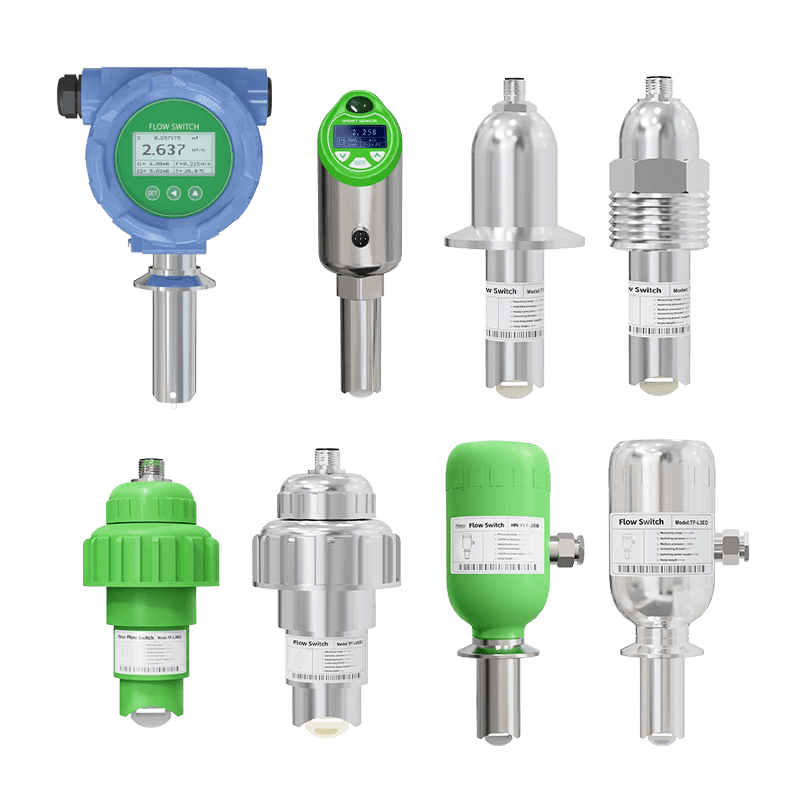
What are the applicable ranges for tuning fork level switches?
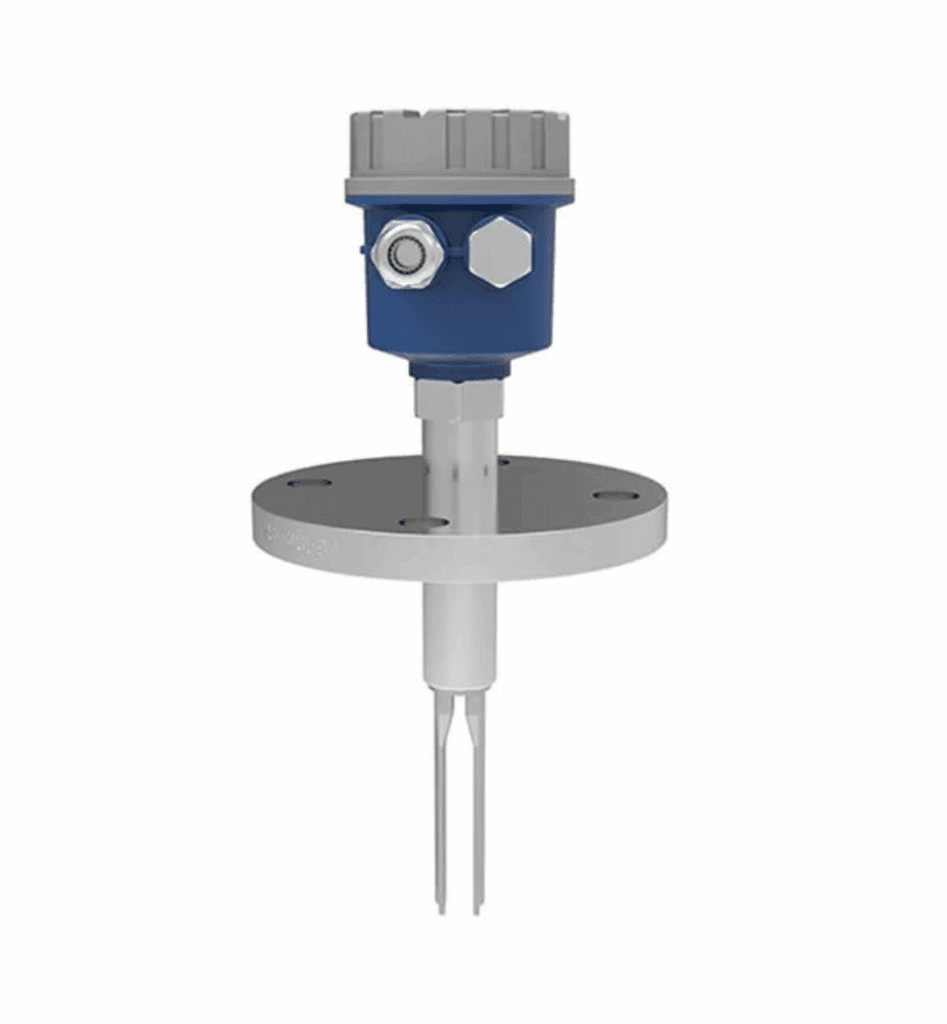
In summary, tuning fork level switches apply to most conventional liquid and powder media, wide temperature and pressure ranges, and complex environments with dust, foam and steam interference. With broad industrial adaptability and only minor limitations in extreme special working conditions, they serve as universal and reliable point-level measurement solutions for industrial automation systems.
What could be the cause of a communication malfunction between the PTFE flange tuning fork level switch and the control system?
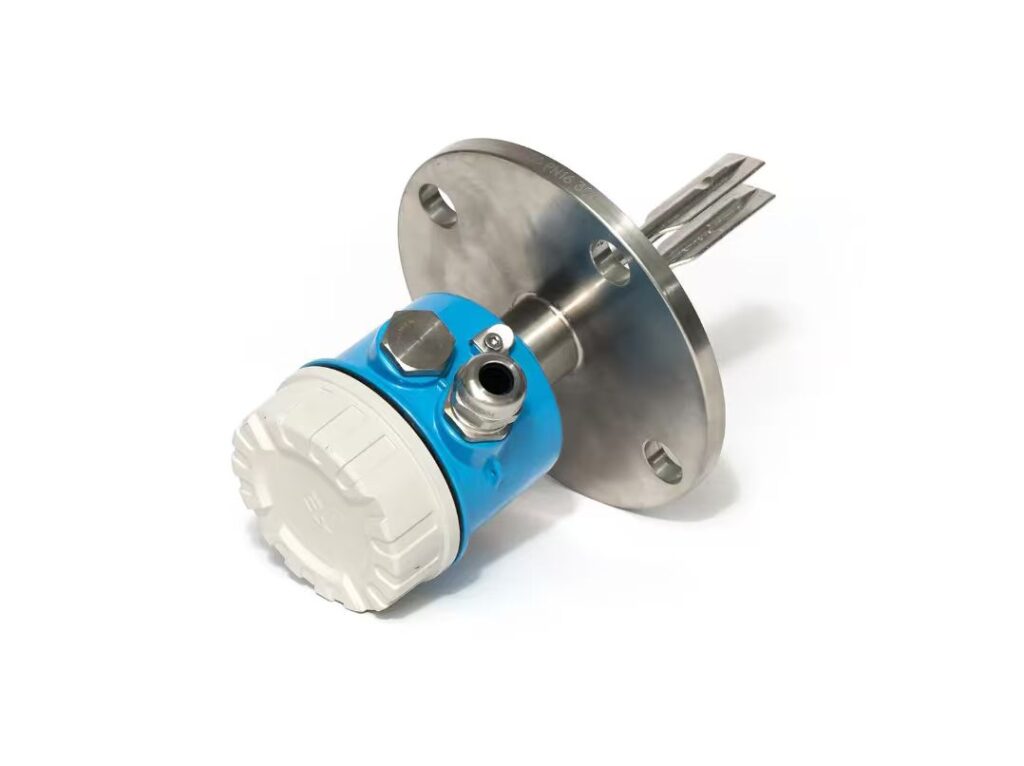
In summary, communication malfunctions of PTFE flange tuning fork level switches are mainly attributed to non-standard wiring, environmental corrosion, electromagnetic interference, parameter mismatch and internal hardware damage. Targeted inspection of lines, grounding, parameters and equipment hardware can effectively locate and resolve faults, ensuring stable communication connection between the switch and the control system.
How can a PTFE flange tuning fork level switch resist acid and alkali corrosion?
In conclusion, oversized probe length will not hinder normal use of tuning fork level switches. By selecting compact models, cutting the probe on site, adjusting installation directions or customizing probe sizes, users can perfectly solve installation limitations in narrow spaces while ensuring detection precision and operational stability.
What should I do if the tuning fork level switch is too long to install?
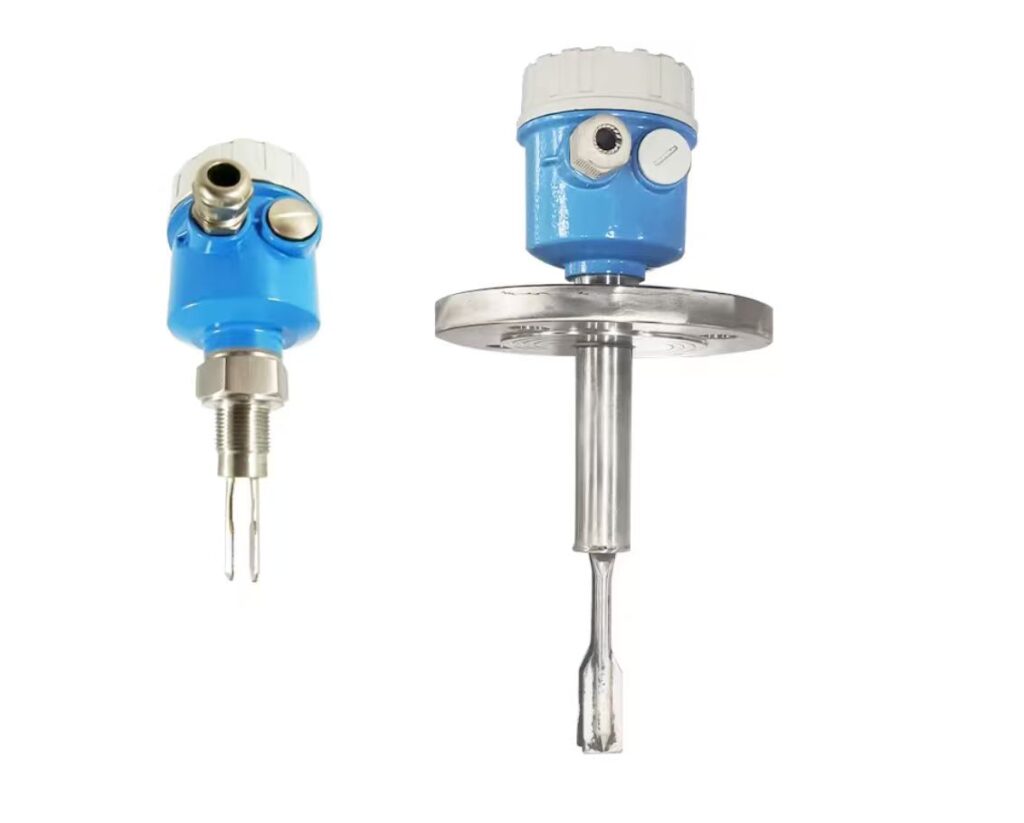
In conclusion, oversized probe length will not hinder normal use of tuning fork level switches. By selecting compact models, cutting the probe on site, adjusting installation directions or customizing probe sizes, users can perfectly solve installation limitations in narrow spaces while ensuring detection precision and operational stability.
Are tuning fork level switches suitable for foam, dust, and steam environments?
In short, tuning fork level switches feature reliable anti-interference performance for complex industrial conditions. Based on mechanical vibration damping principle and fully enclosed structure, they work stably in foam, dust and high-temperature steam environments where traditional sensors often fail. With high temperature resistance and maintenance-free merits, they suit most harsh working scenarios, with only minor limitations in extreme conditions, making them ideal industrial level measurement tools.
Tuning fork level switch is the best solution
Why is a tuning fork level switch the optimal solution for level measurement in a high-temperature saturated steam environment?
Reactor Tuning Fork Switch
The customer asked why the tuning fork switch on his reactor kept malfunctioning.

