What should I do if the tuning fork level switch is too long to install? - Kiel Planck
  • Home
        • New Product

          What should I do if the tuning fork level switch is too long to install? - Kiel Planck

          There is a solution for every application. Let’s work together to find the right solution for you.

          Your benefits

          We use our experience to move your project forward.

          PHONE: 400-8868-261

          E-mail: info@kielplanckprc.com / kielplanck@outlook.com

  • Application
  • Service
  • Brand
  • Blog
  • Contact Us

What should I do if the tuning fork level switch is too long to install?

What should I do if the tuning fork level switch is too long to install?

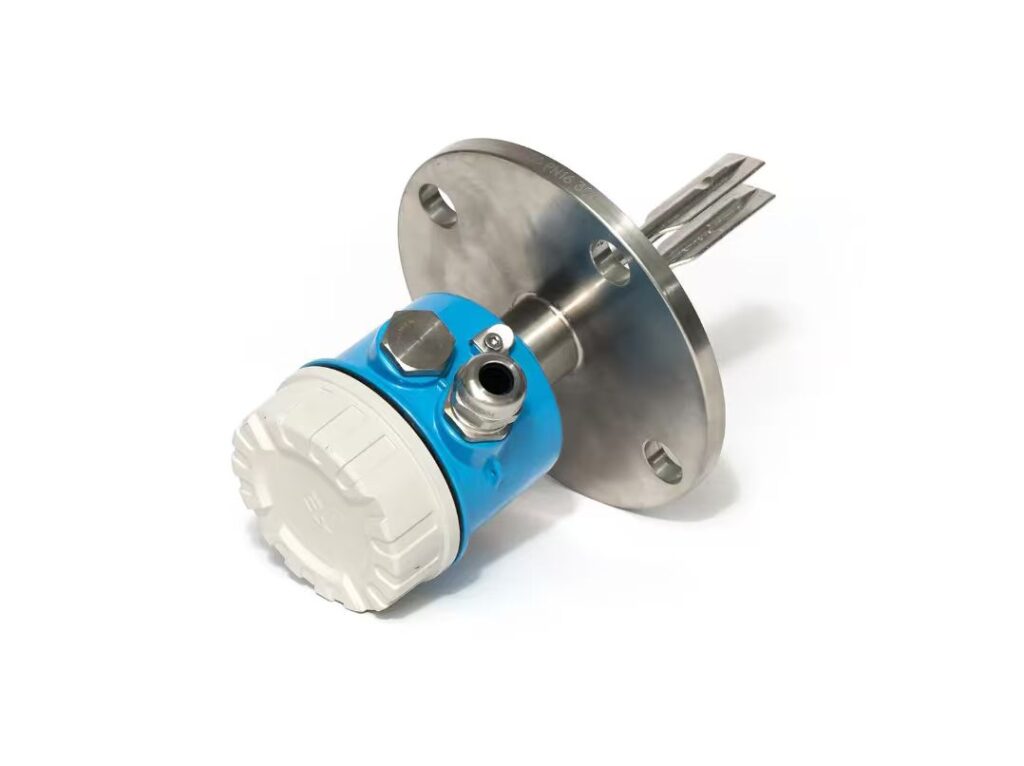
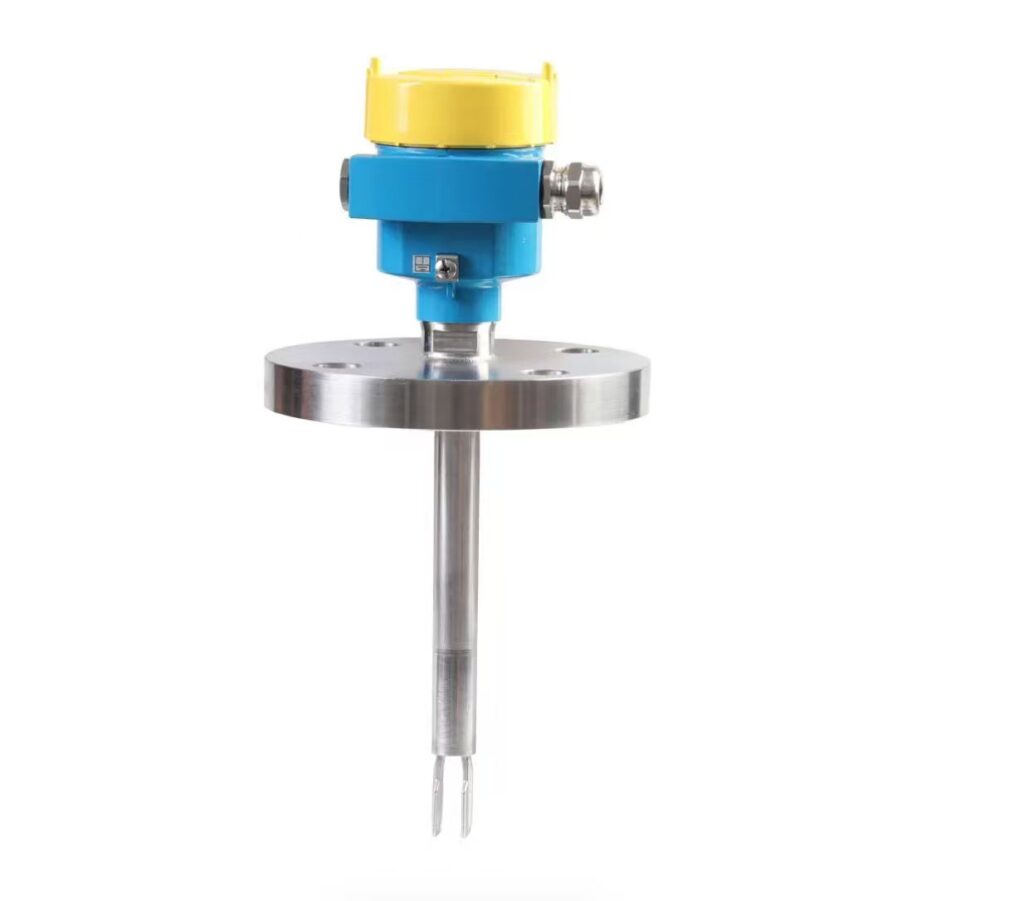
In on-site industrial installation, it is common to encounter the problem that a standard tuning fork level switch has an excessively long probe and cannot fit limited installation space of reactors, pipelines and storage tanks. Excess probe length will cause installation failure, probe collision with internal equipment, and inaccurate level detection. To solve this issue effectively, several practical and standardized solutions are available for field application.
The most convenient solution is to adopt a short compact tuning fork level switch. Manufacturers provide standard short-type models with shortened fork probes, which are specially designed for narrow installation spaces such as small-diameter pipelines and miniature reaction vessels. These compact switches retain the original vibration detection principle and detection accuracy, fully meeting the level monitoring requirements of limited-space working conditions.
For on-site adjustable demands, cuttable tuning fork switches are the optimal choice. Many stainless steel probe tuning fork switches support on-site secondary cutting. Workers can trim the redundant probe length according to the actual tank depth and installation space. After simple trimming and calibration, the switch can maintain stable vibration performance and normal detection function, which is highly flexible and cost-effective.
Adjusting the installation mode is another effective alternative. If the vertical top installation is restricted by probe length, workers can switch to horizontal side installation. This mounting method avoids the limitation of vertical depth, perfectly adapts to long probes, and ensures the fork body reaches the preset level detection position without mechanical interference.
In case of special and non-standard working conditions, customized probe length is recommended. Customers can provide on-site installation parameters to manufacturers for tailor-made probes of specified lengths. This solution guarantees the best matching degree between the equipment and working conditions, avoiding secondary modification and ensuring long-term stable operation.
In conclusion, oversized probe length will not hinder normal use of tuning fork level switches. By selecting compact models, cutting the probe on site, adjusting installation directions or customizing probe sizes, users can perfectly solve installation limitations in narrow spaces while ensuring detection precision and operational stability.
What should I do if the tuning fork level switch is too long to install? - Kiel Planck

Scan the QR code to receive more detailed information.

What should I do if the tuning fork level switch is too long to install? - Kiel Planck

Share:

More Posts

Real-time pH monitoring in aquaculture - Kiel Planck

Real-time pH monitoring in aquaculture

Water quality is the core determinant of aquaculture yield and aquatic organism health, among which pH value serves as one of the most sensitive and critical indicators. Slight fluctuations in water pH can directly affect the respiration, metabolism, and immunity of fish, shrimp and shellfish, and even trigger large-scale disease outbreaks and mortality in severe cases.

Online pH water quality monitoring solution - Kiel Planck

Online pH water quality monitoring solution

pH value is one of the most fundamental and critical indicators in water quality evaluation, reflecting the acidity and alkalinity of water bodies and directly affecting aquatic ecological safety, industrial production efficiency, and sewage discharge compliance. Traditional manual pH detection methods suffer from low efficiency, severe data lag, and human operation errors, which can no longer meet the real-time and high-precision monitoring requirements of modern water environment management and industrial water treatment.

Wastewater pH Sensor Maintenance Techniques - Kiel Planck

Wastewater pH Sensor Maintenance Techniques

pH sensors are core monitoring devices in wastewater treatment systems, responsible for real-time detection of water acidity and alkalinity to support biochemical treatment, chemical dosing and effluent discharge compliance. Unlike conventional water quality sensors, wastewater pH sensors operate in harsh environments with high suspended solids, organic pollutants, corrosive ions and variable water temperatures, making them prone to contamination, electrode aging and data drift. Regular and standardized maintenance is essential to ensure long-term measurement accuracy and stable operation

Method for calculating water pH value - Kiel Planck

Method for calculating water pH value

Water pH value is a vital physicochemical parameter that indicates the acidity or alkalinity of aqueous solutions. It profoundly influences water ecological stability, industrial water treatment efficiency, and drinking water safety. Accurate pH calculation is the fundamental basis for water quality analysis, environmental monitoring, and chemical experimental research. This article elaborates on the basic theoretical principles of water pH calculation and introduces two mainstream practical methods: theoretical formula calculation for pure water and instrument conversion calculation for complex water bodies.

Send Us A Message

captcha
Reload

Bitte geben Sie die im CAPTCHA angezeigten Zeichen ein, um sicherzustellen, dass Sie ein Mensch sind.

Email
Email: info@kielplanckprc.com
WhatsApp
WhatsApp Me