Why is a tuning fork level switch the optimal solution for level measurement in a high-temperature saturated steam environment?
High-temperature saturated steam environments are among the most challenging working conditions for industrial level measurement. Characterized by high heat, stable high pressure, ubiquitous steam condensation, fluctuating dielectric constants and severe electromagnetic interference, such scenarios often cause inaccurate detection, frequent false signals and premature failure in conventional level measuring devices like float switches, capacitive sensors and ultrasonic detectors. In contrast, the tuning fork level switch stands out as the optimal and most reliable solution for saturated steam level monitoring, thanks to its unique working principle, specialized high-temperature structural design and outstanding environmental adaptability.
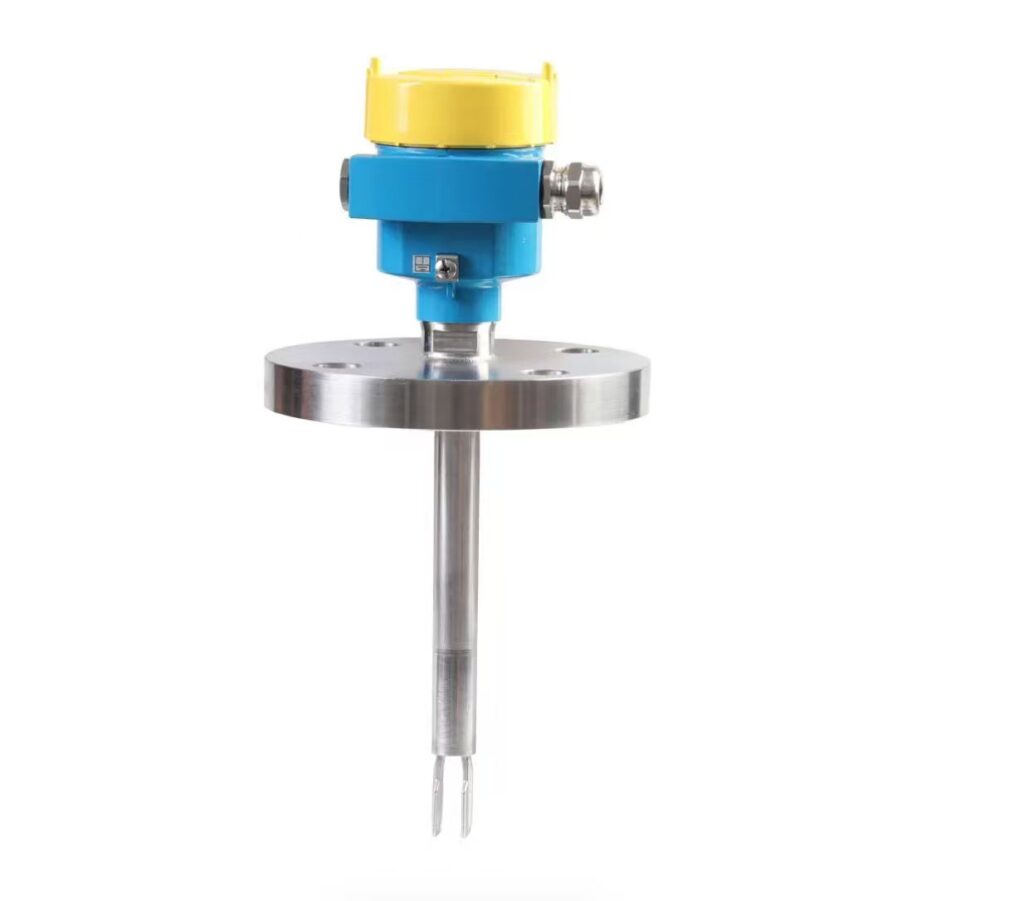
The fundamental advantage lies in its inherent mechanical resonance working principle, which is perfectly immune to steam-based interference. Different from electronic induction-based sensors, the tuning fork level switch operates relying on the piezoelectric effect to drive the fork body to vibrate at a fixed natural frequency. When the fork is exposed to saturated steam and air, it maintains stable high-frequency vibration; once it contacts condensed liquid water, the vibration damping increases and the frequency drops sharply, and the circuit accurately captures this mechanical frequency change to output switching signals. This pure physical vibration detection mechanism is not affected by steam density changes, steam fog interference or thin condensate water films on the probe surface, completely avoiding the false triggering and signal drift that plague capacitive and ultrasonic sensors in steam environments.
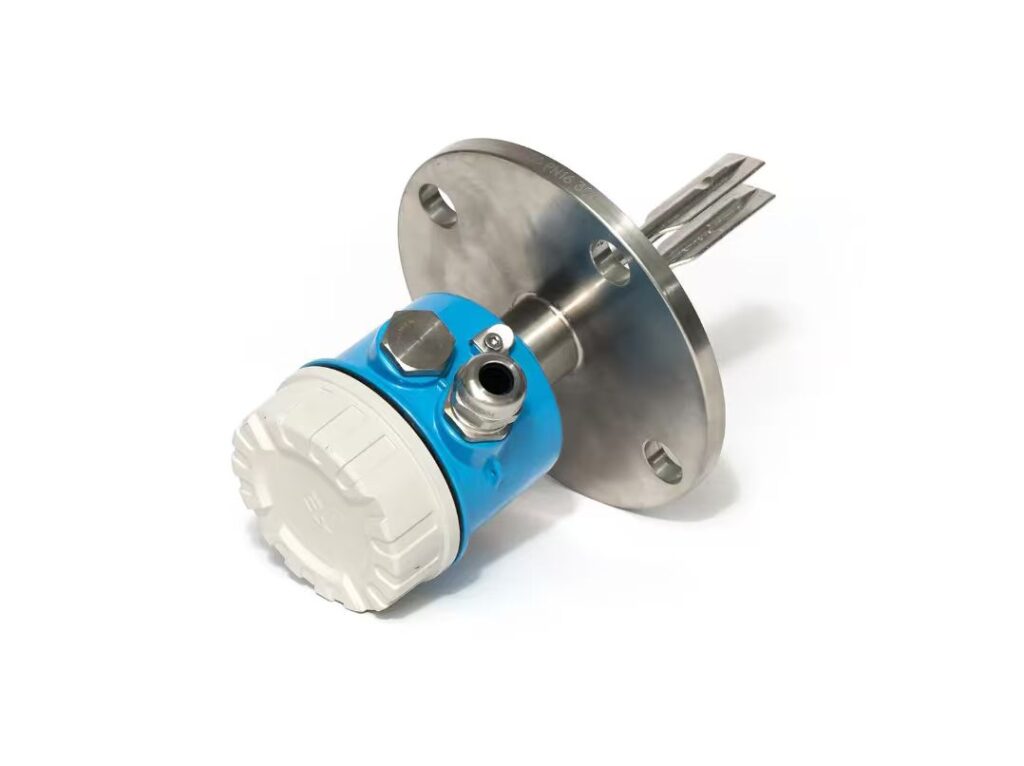
Professional high-temperature and pressure-resistant structural design enables long-term stable operation in saturated steam conditions. Customized tuning fork level switches for steam scenarios adopt high-curie-temperature piezoelectric materials, which can retain stable piezoelectric driving and sensing performance under continuous high-temperature working conditions without performance attenuation or failure. Meanwhile, the core probe and shell are made of high-strength stainless steel with a low thermal expansion coefficient, which effectively resists thermal deformation and structural damage caused by high-temperature steam. Equipped with extended heat insulation neck tubes and independent heat dissipation structures, the switch thoroughly isolates the precision electronic components from high-temperature steam, preventing circuit aging and burnout and greatly improving high-temperature working stability.
Superior anti-interference and anti-fouling capabilities further consolidate its optimal application value. In saturated steam environments, frequent condensation and tiny water droplets easily adhere to the surfaces of traditional sensors, leading to continuous measurement errors. However, the smooth integrated fork body structure of the tuning fork switch is not prone to material adhesion and scaling. Even if a small amount of condensate accumulates temporarily, it will not change the overall vibration damping state of the fork body, ensuring consistent detection accuracy. Moreover, it is immune to on-site electromagnetic interference, steam turbulence and pressure fluctuations, which are common in steam pipelines and reactor systems, delivering stable and repeatable detection results.
Zero calibration requirement and maintenance-free features make it more adaptable to industrial steam production. Most conventional level sensors need regular parameter calibration and debugging to adapt to temperature and medium changes in steam environments, resulting in high maintenance costs and frequent production shutdowns. The tuning fork level switch features fixed resonant frequency and stable mechanical properties, requiring no on-site calibration after installation. Its simple structure with no movable mechanical parts effectively eliminates mechanical wear, jamming and fatigue failure, greatly reducing later maintenance workload and production downtime losses.
Compared with other level measurement technologies, the advantages of tuning fork level switches in high-temperature saturated steam environments are more prominent. Float switches are prone to jamming and corrosion under high temperature and pressure; capacitive sensors are extremely sensitive to steam condensation and dielectric changes, leading to frequent misjudgments; ultrasonic sensors fail to detect effectively due to steam fog attenuation. Only the tuning fork level switch balances high temperature resistance, anti-interference, detection accuracy and operational stability, fully meeting the continuous and reliable level monitoring requirements of steam boilers, heat exchange reactors and saturated steam pipeline systems.
In conclusion, the tuning fork level switch becomes the optimal solution for level measurement in high-temperature saturated steam environments due to its anti-interference mechanical resonance principle, professional high-temperature and pressure-resistant structure, excellent anti-fouling performance and maintenance-free operation. It effectively solves various measurement pain points of traditional sensors in harsh steam working conditions, ensures the safe and stable operation of industrial steam systems, and has become the preferred measuring instrument for saturated steam level monitoring in petrochemical, thermal power and pharmaceutical industries.
Scan the QR code to receive more detailed information.