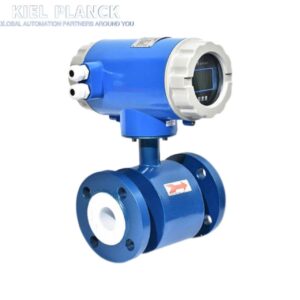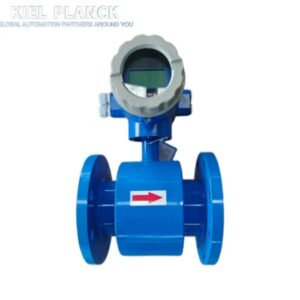
As a high-stability flow measuring device based on Faraday’s electromagnetic induction principle, electromagnetic flow meters have no moving parts, no pressure loss, and excellent corrosion resistance, making them highly suitable for the continuous transportation and quantitative filling working conditions of lithium battery electrolytes. This article analyzes the technical difficulties of electrolyte transportation systems, proposes a targeted application scheme of electromagnetic flow meters covering model selection, material matching, on-site installation and anti-interference optimization, and summarizes its practical application advantages in lithium battery production lines. The research provides a standardized and reliable flow measurement solution for intelligent manufacturing of new energy lithium batteries.
Keywords: electromagnetic flow meter; lithium battery; electrolyte transportation; precision flow measurement; new energy manufacturing; corrosion-resistant monitoring
1. Introduction
With the rapid expansion of the new energy vehicle and energy storage industry, the demand for high-quality lithium batteries continues to rise. The electrolyte transportation system undertakes the tasks of electrolyte preparation, circulating filtration and precise filling, where tiny flow errors will lead to inconsistent battery liquid injection volume, resulting in reduced battery performance and potential safety hazards. Traditional flow measuring equipment is prone to measurement deviation, medium blockage and corrosion failure when facing corrosive lithium hexafluorophosphate carbonate electrolyte. Electromagnetic flow meters effectively solve these pain points with their non-blocking structure, high measurement accuracy and customizable anti-corrosion configuration, and have become the mainstream measuring instrument for electrolyte transportation systems in modern lithium battery factories.
2. Working Condition Characteristics and Measurement Difficulties of Electrolyte Transportation
Lithium battery electrolyte has unique physical and chemical properties that bring strict challenges to flow monitoring. First, the electrolyte consists of lithium salt and organic carbonate solvent, which is highly corrosive and can erode ordinary metal measuring components, causing equipment damage and data drift. Second, the production process requires ultra-high cleanliness, and any residual dead corners or moving parts will cause medium retention and cross-contamination, affecting battery purity. Third, electrolyte transportation requires stable micro-flow control, and flow fluctuation will directly affect the accuracy of automatic liquid injection. In addition, the production workshop has certain electromagnetic interference and humid environment, which puts forward higher requirements for the anti-interference and environmental adaptability of flow meters.
3. Optimized Application Scheme of Electromagnetic Flow Meters
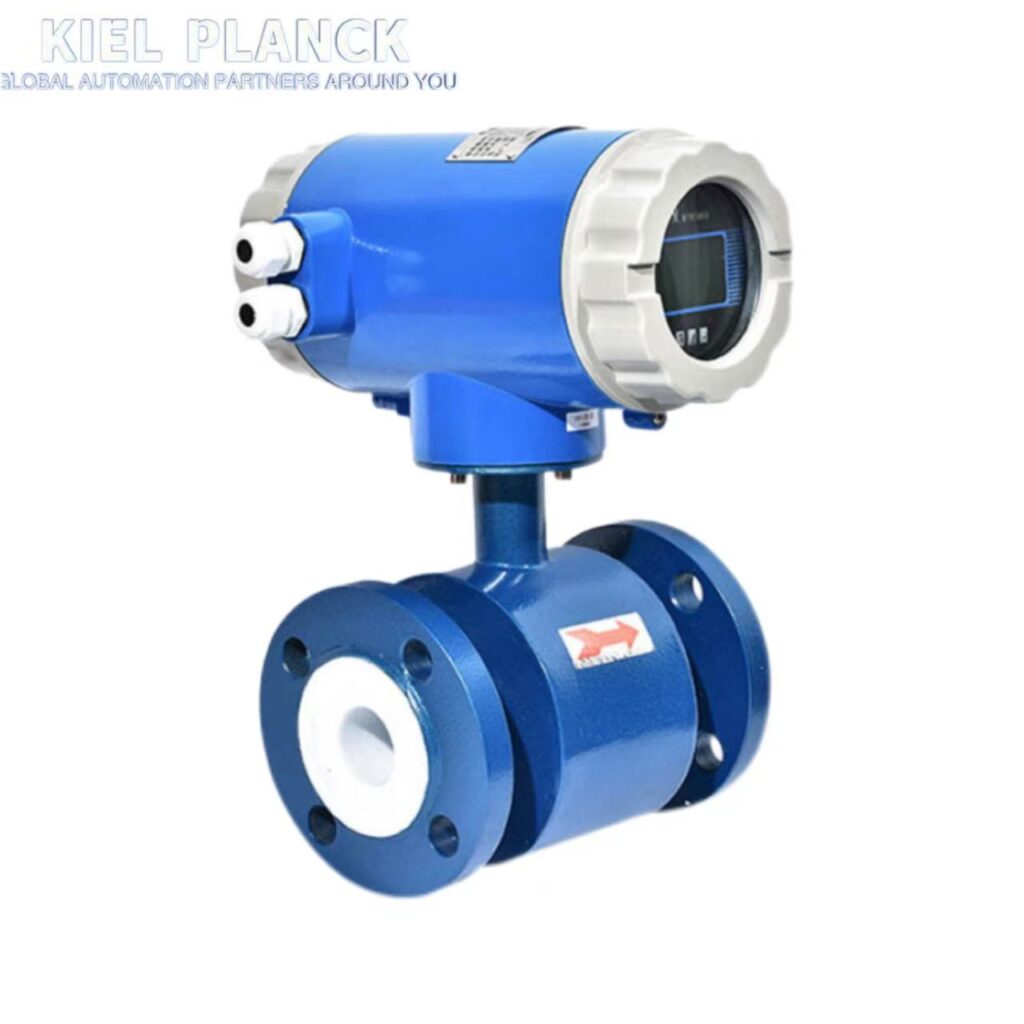
The systematic application scheme is formulated from four core dimensions: material selection, parameter configuration, installation specification and anti-interference optimization. In terms of material matching, PFA or PTFE full fluorine lining is adopted for the flow meter lining, paired with 316L stainless steel or Hastelloy alloy electrodes, which can resist long-term corrosion of electrolyte and meet high cleanliness production standards without medium adhesion. In terms of measuring performance, high-precision models with accuracy up to ±0.3% FS are selected to adapt to micro-flow transportation and quantitative filling scenarios, ensuring accurate flow data feedback.
For on-site deployment, the flow meter is installed on horizontal or vertical straight pipe sections to avoid pipeline turbulence and bubble interference, ensuring full pipe medium measurement. A sealed and integrated structure is adopted to eliminate sanitary dead corners and facilitate online cleaning. In terms of anti-interference optimization, the instrument is equipped with independent signal shielding and digital damping functions to filter on-site electromagnetic interference and tiny flow jitter, maintaining stable and continuous output of flow signals. Meanwhile, it supports 4-20mA and HART communication to realize real-time data interconnection with the factory’s automatic control system.
4. Application Advantages and Practical Value
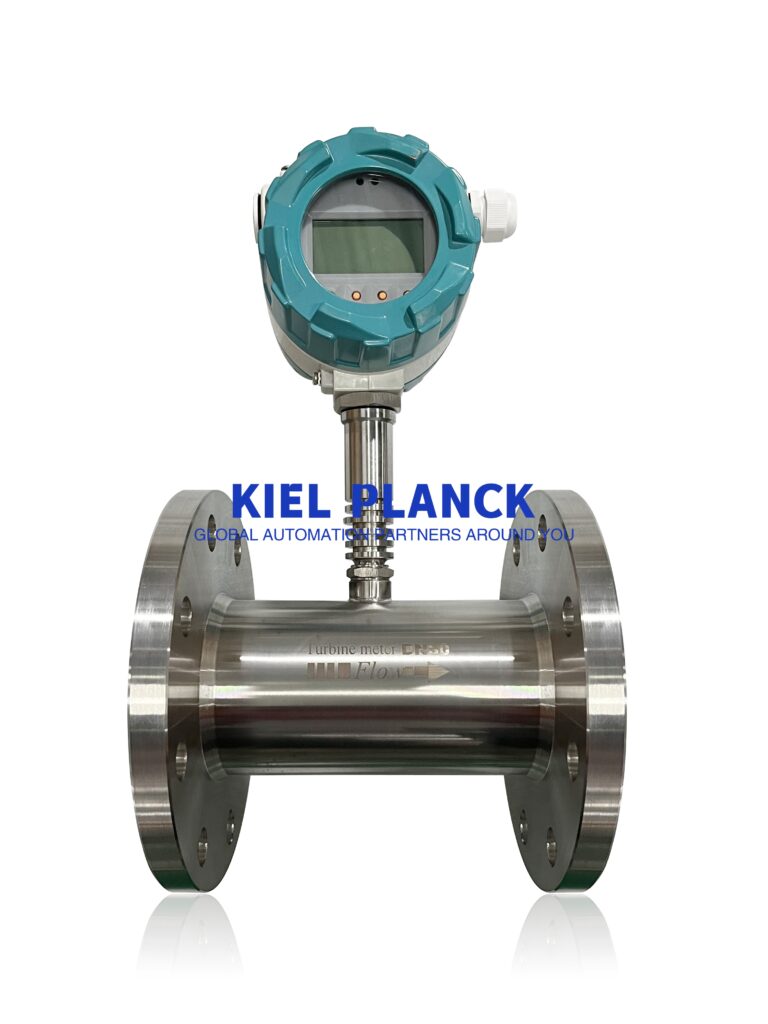
Compared with traditional turbine and differential pressure flow meters, electromagnetic flow meters show prominent advantages in electrolyte transportation systems. Their non-moving-part design avoids medium blockage and mechanical wear, reducing equipment maintenance frequency and downtime costs. The measurement is not affected by medium viscosity, density and temperature changes, realizing long-term stable and accurate monitoring. In addition, the fully sealed hygienic structure meets the high-purity production requirements of lithium batteries, effectively avoiding electrolyte contamination. Precise flow control optimizes the consistency of battery liquid injection, improves product yield, and provides reliable data support for the intelligent and standardized production of lithium batteries.
5. Conclusion
Electromagnetic flow meters, with their corrosion resistance, high cleanliness, high precision and stable operation, perfectly fit the complex working conditions of lithium battery electrolyte transportation systems. The optimized application scheme targeting material adaptation, standardized installation and anti-interference processing can effectively solve the industry pain points of easy corrosion, easy blockage and inaccurate measurement in electrolyte flow monitoring. Rational application of electromagnetic flow meters not only ensures the stability and safety of electrolyte transportation and filling processes, but also significantly improves the consistency and yield of lithium battery products. It provides efficient and reliable technical support for the high-quality development of the new energy lithium battery manufacturing industry.
Scan the QR code to receive more detailed information.