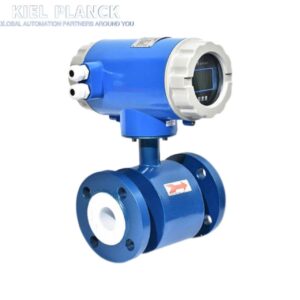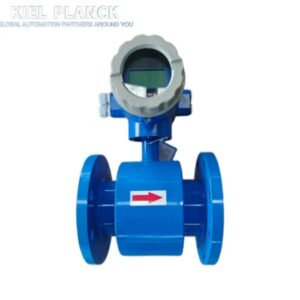
Improper liner selection is the leading cause of premature failure, including lining peeling, corrosion damage, medium adhesion, and signal distortion in on-site applications. Common liner materials for electromagnetic flow meters include rubber, PTFE, PFA, and polyurethane, each with distinct adaptability to temperature, pressure, medium corrosion, and abrasion conditions. This article systematically introduces the characteristics and applicable scenarios of mainstream liner materials, analyzes how different materials affect the service cycle and operational reliability of flow meters, and summarizes scientific selection principles based on medium properties and working conditions. The study aims to provide practical guidance for industrial instrument selection, effectively extend equipment service life, and reduce maintenance and replacement costs in long-term industrial operation.
Keywords: electromagnetic flow meter; liner material; material selection; service life; industrial flow measurement; equipment reliability
1. Introduction
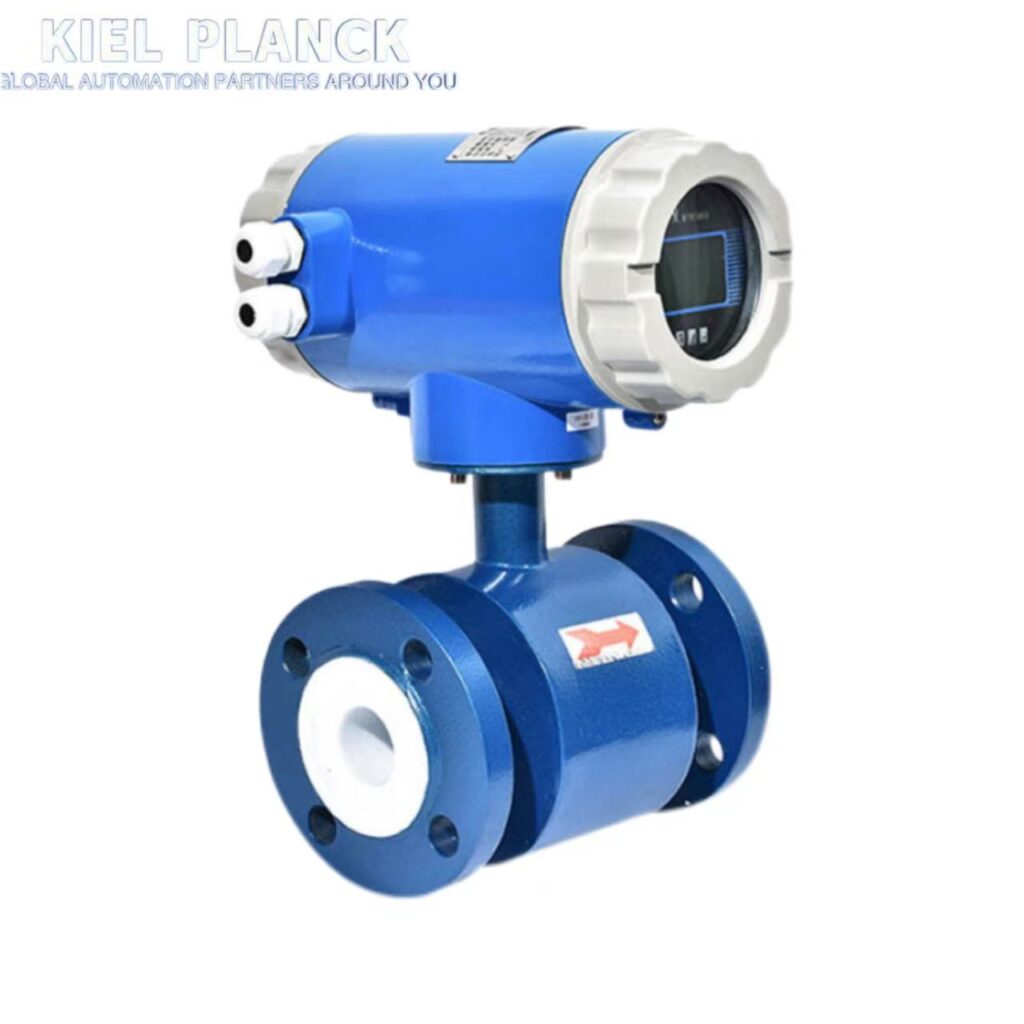
Electromagnetic flow meters are widely used in chemical, water treatment, new energy, pharmaceutical, and mining industries for conductive liquid flow monitoring. Unlike other measuring instruments, their long-term operational performance largely depends on the protection capacity of internal liners. As the only medium-contact component, the liner bears continuous erosion, chemical corrosion, temperature impact, and mechanical friction from process fluids. In actual industrial projects, many flow meters suffer from shortened service life and frequent failures not due to sensor or circuit damage, but mismatched liner materials. Therefore, clarifying the performance differences of various liners and mastering standardized selection methods are critical to improving equipment utilization and reducing overall operating costs.
2. Performance Characteristics of Mainstream Liner Materials
Rubber liners are divided into natural rubber and neoprene, featuring excellent elasticity, strong abrasion resistance, and low cost. They are suitable for normal-temperature water, domestic sewage, and weak abrasive media. However, rubber materials are poor in high-temperature resistance and chemical corrosion resistance, prone to aging and deformation under high temperature or strong acid and alkali environments. PTFE liner is the most widely used fluoroplastic material, with outstanding acid and alkali resistance, anti-aging performance, and wide temperature adaptability. Nevertheless, its poor wear resistance makes it unsuitable for slurry and particle-containing media.
PFA liner is an upgraded fluoroplastic material, retaining all advantages of PTFE while improving abrasion resistance and anti-permeability. It can adapt to high-temperature corrosive media and high-purity fluid scenarios such as pharmaceutical and new energy electrolyte transportation. Polyurethane liner boasts ultra-high abrasion resistance, far exceeding rubber and fluoroplastics, and is specially applied in mining slurry, mortar, and high-particle industrial wastewater. Its main limitation is poor corrosion resistance to chemical solvents and strong alkaline media.
3. Impact of Liner Materials on Equipment Service Life
Material matching directly determines the service life of electromagnetic flow meters. In conventional water treatment scenarios, rubber liners can maintain stable performance for 3 to 5 years with low aging rate, achieving cost-effective operation. For chemical corrosive working conditions, rubber liners will rapidly swell, crack and peel within 6 to 12 months, leading to complete instrument failure. In contrast, matched PTFE and PFA liners can ensure a service life of more than 5 years in strong corrosive environments, effectively avoiding frequent replacement.
For abrasive slurry working conditions, polyurethane liners can resist long-term particle scouring, with a service life 2 to 3 times longer than rubber and fluoroplastic liners. Using PTFE liners in slurry scenarios will cause rapid surface wear, resulting in media leakage and measurement signal deviation. In high-temperature working conditions, PFA liners show minimal performance attenuation, while ordinary materials are prone to thermal deformation and structural damage. In short, correct material selection maximizes service life, while mismatching leads to premature equipment scrapping and increased maintenance costs.
4. Scientific Liner Selection Principles
Standard liner selection should comprehensively consider medium corrosivity, abrasiveness, operating temperature, and process purity requirements. For conventional clean water and low-abrasion sewage, cost-effective rubber liners are preferred. For strong acid, strong alkali, and organic solvent media, PTFE or PFA fluoroplastic liners must be selected. For high-abrasion slurry and particle-containing fluids, polyurethane liners are the optimal choice. For high-purity and sterile scenarios such as biopharmaceuticals and lithium battery electrolytes, high-cleanliness PFA liners are required to avoid medium contamination. Meanwhile, temperature and pressure margins should be reserved to prevent material performance degradation caused by extreme working conditions.
5. Conclusion
Liner material selection is the core factor affecting the service life and operational reliability of electromagnetic flow meters. Each mainstream liner material has its unique advantages and applicable limitations in terms of corrosion resistance, abrasion resistance, and temperature adaptability. Blind selection based on cost rather than working conditions will lead to accelerated equipment aging, frequent failures, and increased long-term operating costs. By matching liner materials according to actual medium characteristics and process parameters, enterprises can effectively extend the service life of flow meters, ensure long-term stable and accurate flow measurement, and realize efficient and low-cost operation of industrial measurement systems.
Scan the QR code to receive more detailed information.