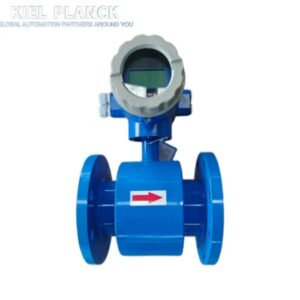
Such faults frequently occur in wastewater treatment, chemical circulation, brine delivery and high-hardness water working conditions, seriously affecting production stability and flow metering accuracy. This article analyzes the formation mechanism and fault characteristics of electrode scaling, explains how different scaling types lead to signal distortion and reading fluctuation, and proposes complete on-site diagnosis, cleaning and preventive maintenance solutions. The purpose is to provide practical and operable field troubleshooting guidelines to eliminate meter jumping faults, restore measurement accuracy, and improve the long-term operational reliability of electromagnetic flow meters.
Keywords: electromagnetic flow meter; electrode scaling; reading fluctuation; on-site troubleshooting; signal instability; industrial metering maintenance
1. Introduction
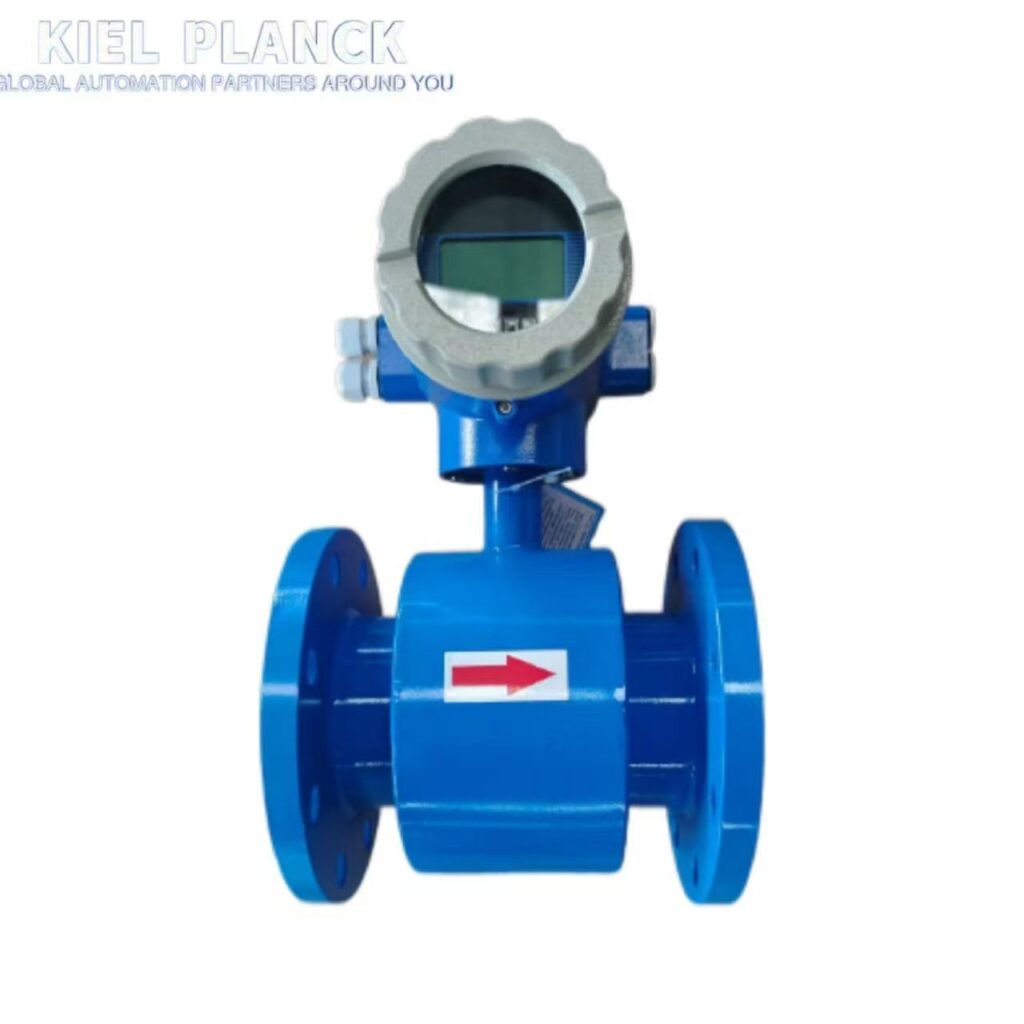
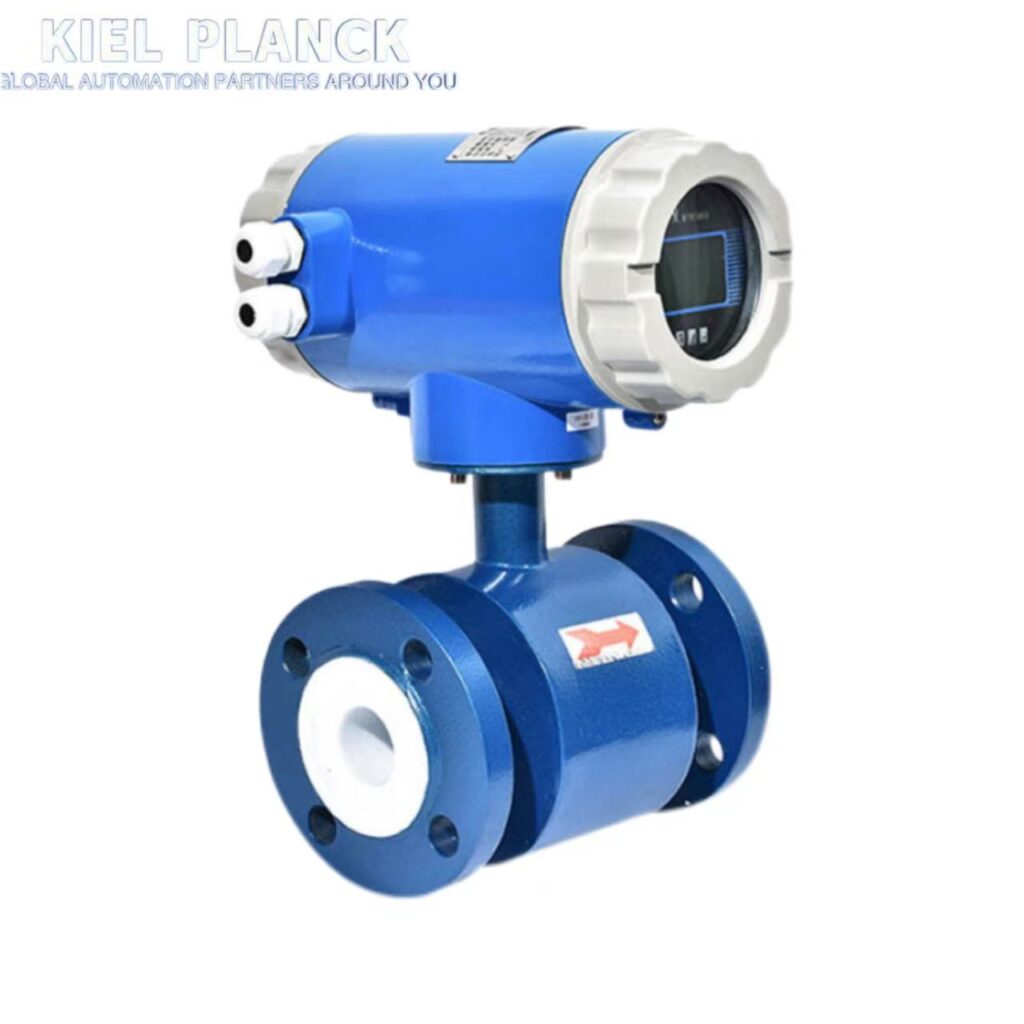
Different from mechanical flow meters, electromagnetic flow meters rely on conductive liquid cutting magnetic lines to generate induced electromotive force, and the measuring electrodes are the only signal sensing components directly contacting the medium. Once the electrode surface is covered by insulating or poorly conductive scaling layers, the sensor cannot effectively capture flow signals, resulting in random data jumping, zero drifting and irregular fluctuation. In actual industrial sites, most flow measurement instability problems are not caused by circuit failure or instrument damage, but by electrode contamination and scaling. Timely and standardized on-site processing is critical to quickly restore meter performance and avoid production downtime losses.
2. Causes and Fault Mechanism of Electrode Scaling and Reading Jitter
Electrode scaling can be divided into three typical types: insulating crystallization scaling, conductive sludge scaling and oily adhesive scaling. Insulating scales such as calcium carbonate and salt crystallization completely isolate the electrode from the fluid, leading to discontinuous signal acquisition and violent reading jumping. Conductive sludge coverage causes uneven signal conduction, resulting in fluctuating and unstable flow values. Grease and biofouling form thin isolation films on the electrode surface, causing slow zero drift and periodic data oscillation.
In addition, uneven scaling on double electrodes will cause asymmetric signal output. The instrument converter cannot obtain stable differential voltage signals, which triggers frequent data jumps, unsteady zero point and even failure to measure. High-temperature medium, high-hardness water and long-term static pipeline standby will further accelerate scaling accumulation and aggravate meter failure.
3. Standard On-site Troubleshooting and Cleaning Methods
For on-site fault disposal, operators should adopt hierarchical processing methods according to scaling types. For light crystallization and dust scaling, online non-stop cleaning is available by using soft cotton cloth and alcohol wiping without disassembling the meter, which can quickly restore signal stability. For thick calcium scale and hard crystallization, weak acid soaking and manual cleaning are required after stopping the flow and depressurizing. It is necessary to avoid hard scratching to prevent electrode surface damage which may cause permanent measurement deviation.
For oily and biological sludge scaling, alkaline cleaning agents or industrial degreasing fluids are used to remove surface organic adhesion. After cleaning, the pipeline must be fully rinsed to prevent residual chemicals from affecting subsequent medium quality. For severely scaled and failed electrodes, professional polishing and electrode calibration are required to ensure consistent signal sensitivity on both sides. After all cleaning operations, zero calibration and full-scale simulation testing must be performed to confirm that the jumping fault is completely eliminated.
4. Long-term Prevention and Optimization Measures
To avoid repeated scaling and reading fluctuation, systematic optimization measures are essential. First, install filters at the front end of the flow meter to reduce particle impurities and suspended solids. Second, regularly implement online flushing and periodic offline maintenance according to medium characteristics. Third, for high-scaling working conditions, configure instruments with automatic electrode cleaning functions such as ultrasonic cleaning or electric scraping. Fourth, reasonably adjust pipeline operation logic to avoid long-term static fluid retention, which effectively reduces crystallization adhesion probability.
5. Conclusion
Electrode scaling is the primary cause of reading jump and signal instability of electromagnetic flow meters in industrial operation. Different scaling types lead to different degrees of measurement deviation and fluctuation faults. Standardized on-site diagnosis, targeted cleaning and regular maintenance can effectively eliminate jumping failures and restore high-precision measurement performance. Meanwhile, optimizing front-end filtration, improving pipeline operation conditions and adopting anti-scaling configurations can fundamentally reduce scaling risks. Scientific field troubleshooting and daily management can significantly extend instrument service life, ensure stable flow monitoring, and provide reliable metering support for industrial production and process control.
Scan the QR code to receive more detailed information.