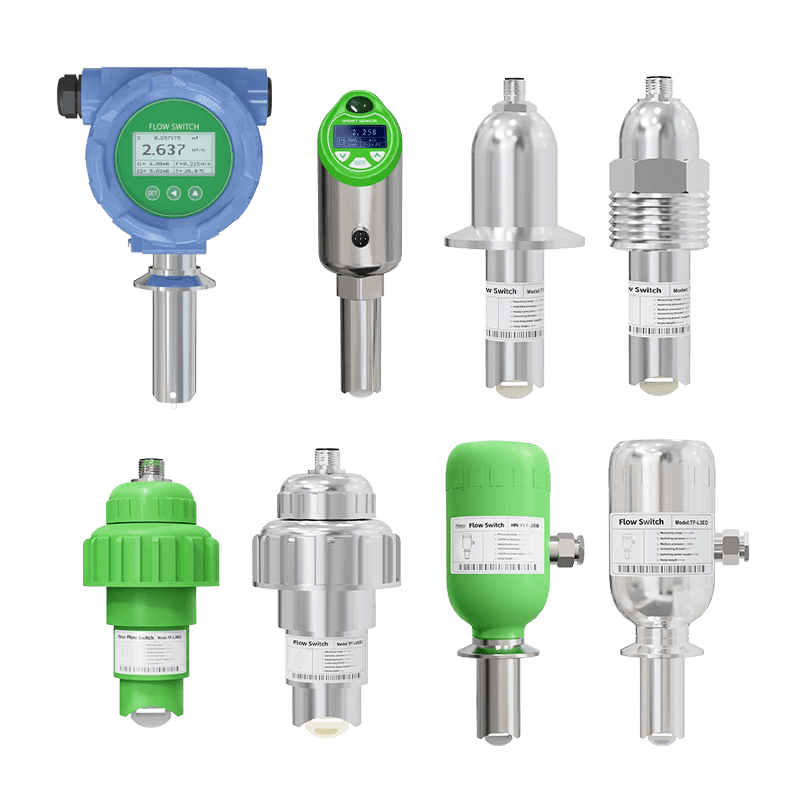
Traditional liquid level measuring devices, including pressure level transmitters and floating ball switches, are extremely susceptible to foam interference, resulting in false alarms, level judgment deviation and even production parameter disorder. As a high-stability point-type level measuring instrument, tuning fork level switches rely on mechanical resonance principle to identify medium density difference, which can effectively distinguish liquid, foam and air. This paper analyzes the measurement failure mechanism of conventional instruments under foam interference in stirred tanks, expounds the working advantages of tuning fork level switches in anti-foam interference, and summarizes its practical application schemes for high and low liquid level monitoring. The study proves that tuning fork switches can significantly improve the accuracy and stability of tank level monitoring, providing reliable technical support for stable and safe operation of stirring production processes.
Keywords: tuning fork level switch; stirred tank; foam interference; liquid level monitoring; anti-interference measurement; process stability
1. Introduction
In industrial batch production such as material mixing, fermentation reaction and chemical synthesis, stirred tanks need continuous stirring and aeration, inevitably producing dense and unstable foam layers on the liquid surface. The foam layer has similar coverage characteristics to liquid level, which interferes with the sensing judgment of most conventional level instruments. Traditional level sensors usually identify the medium based on pressure change or contact buoyancy, and cannot distinguish foam from real liquid, resulting in frequent false level signals, untimely high-level overflow protection and failed low-level empty tank prevention. These measurement errors easily cause material overflow, tank emptying, stirring equipment idling and batch production quality fluctuation. In contrast, tuning fork level switches judge medium state through density difference, completely immune to foam disturbance, and have become the optimal solution for level monitoring of foaming stirred tanks.
2. Measurement Defects of Traditional Instruments Under Foam Interference
Pressure-type liquid level transmitters calculate liquid height based on hydrostatic pressure. Foam layers will produce certain pressure superposition, making the measured value higher than the actual liquid level and causing false high-level signals. Floating ball level switches rely on buoyancy to trigger displacement. Foam accumulation will support the floating ball to generate false triggering, failing to accurately reflect the real liquid level state. In addition, radar level meters are prone to signal scattering on foam surfaces, resulting in unstable echo signals and severe data jitter. All these traditional devices lack foam discrimination capability, which is the fundamental reason for inaccurate level measurement of foaming stirred tanks, bringing hidden dangers to process control and production safety.
3. Working Principle and Anti-foam Advantages of Tuning Fork Level Switches
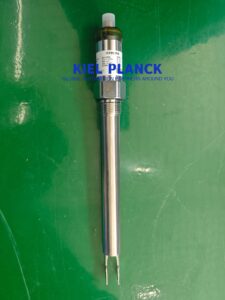
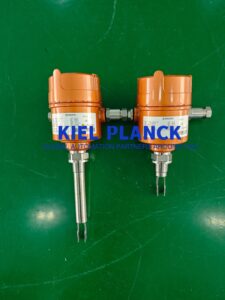
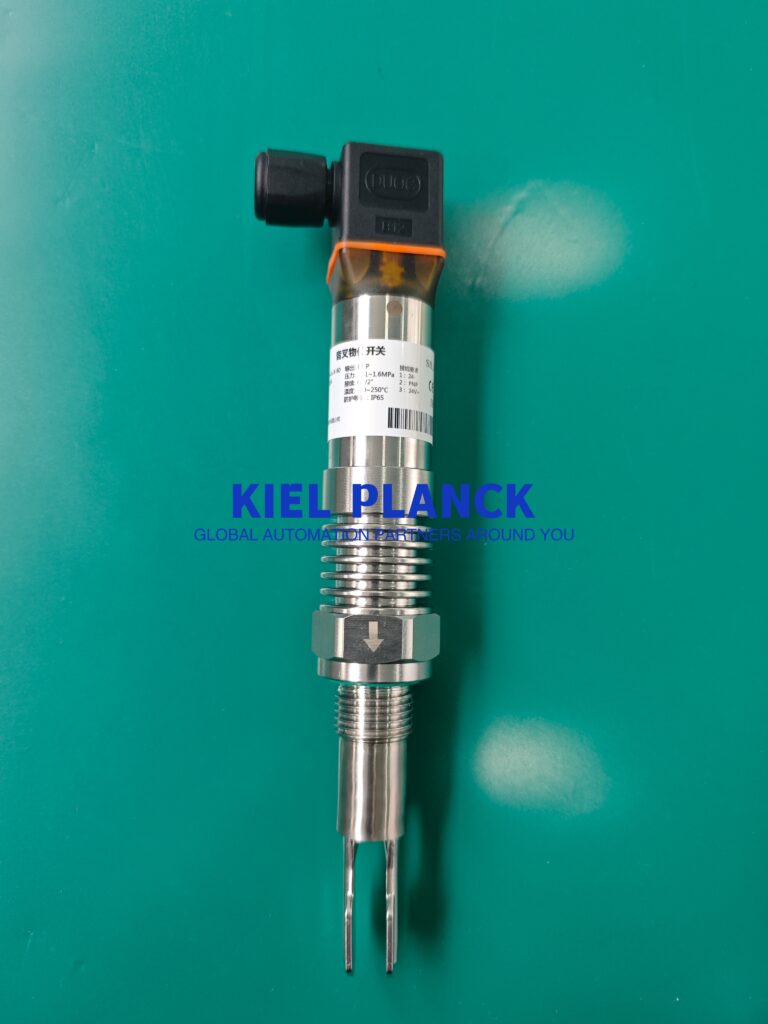
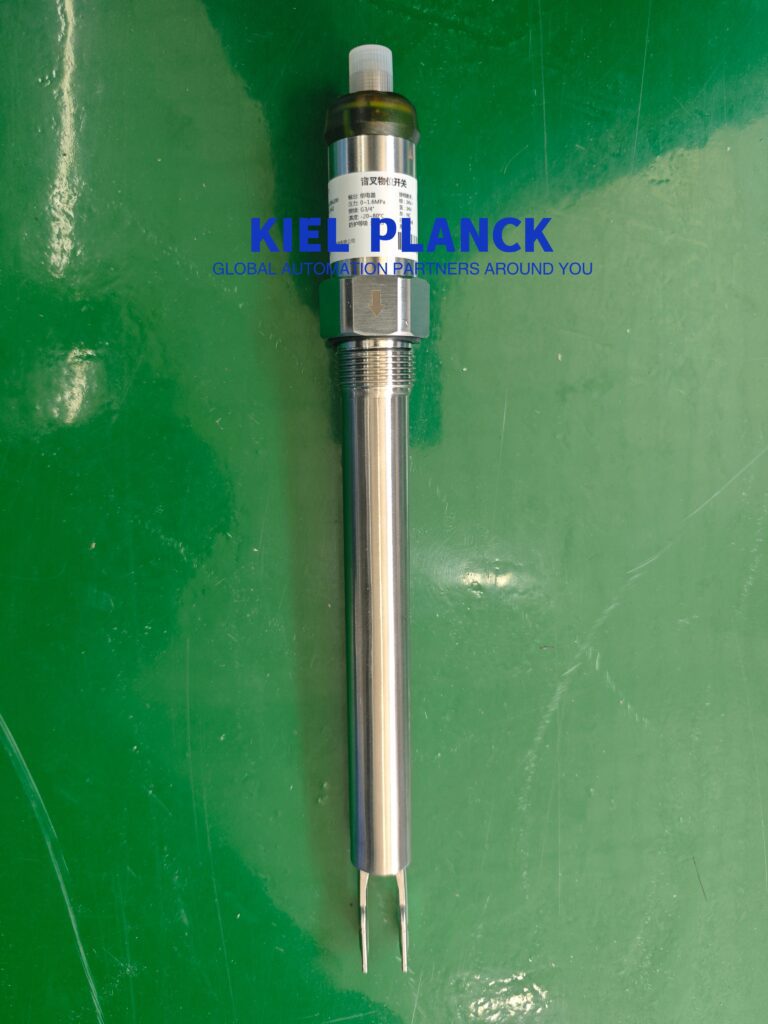
Tuning fork level switches work based on mechanical resonance vibration. The piezoelectric device drives the fork body to maintain a fixed natural frequency in the air. When the fork contacts high-density liquid, the vibration frequency and amplitude change significantly, and the instrument outputs a liquid-level trigger signal; when contacting low-density foam and air, the vibration state remains basically unchanged without signal misjudgment. This density-based identification mechanism enables it to completely filter foam interference.
Compared with traditional instruments, tuning fork switches have prominent application advantages in stirred tanks. They feature simple structure, no moving parts, no wear and no clogging. They are not affected by liquid viscosity, color, suspended solids and foam layers, and can stably monitor high and low liquid levels for a long time. Meanwhile, the instrument has strong vibration resistance, which can adapt to the mechanical vibration environment of long-term stirring operation, avoiding signal drift and misoperation.
4. On-site Application Scheme for High and Low Liquid Level Monitoring
For industrial stirred tanks with serious foaming problems, double-point tuning fork configuration is adopted to realize full-range level safety monitoring. The high-level tuning fork is installed at the overflow warning position to cut off feeding and trigger alarm when reaching the real liquid level, effectively preventing material overflow caused by foam false signals. The low-level tuning fork is installed at the tank bottom safe liquid level to avoid stirring paddle idling and equipment abrasion caused by excessively low liquid level.
In terms of installation and debugging, the probe is kept away from the liquid stirring vortex and material impact area to avoid vibration interference. The sensitivity parameter is calibrated according to the actual medium density to ensure accurate identification of liquid-foam boundary. The instrument supports standard switch signal output, which is compatible with PLC control system, realizing automatic interlock control of feeding, stirring and alarm linkage.
5. Conclusion
Foam interference is the core cause of inaccurate liquid level measurement of traditional instruments in stirred tank production. Conventional level sensors cannot distinguish foam from real liquid, leading to frequent monitoring errors and production risks. With unique density resonance identification principle, tuning fork level switches perfectly solve the industry pain point of foam misjudgment. They realize stable and accurate high and low liquid level monitoring in complex stirring environments with foam, vibration and material impact. Rational configuration and standardized application of tuning fork level switches can effectively eliminate false alarms and measurement deviation, ensure stable operation of stirring process equipment, reduce production failure rate, and provide reliable guarantee for standardized and intelligent industrial batch production.
Scan the QR code to receive more detailed information.