
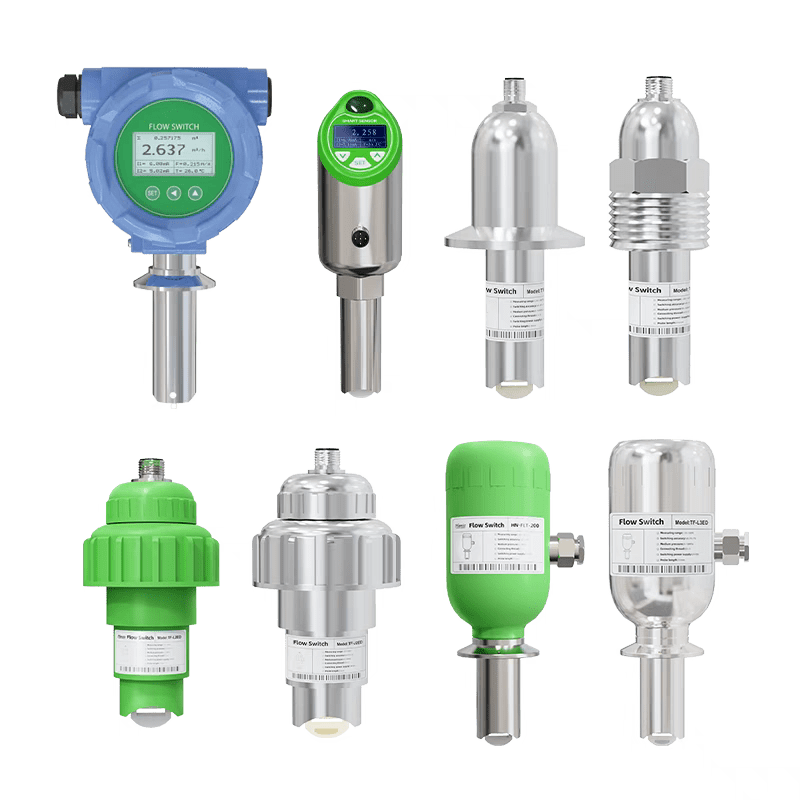
Fixed-Point Level Detection of Tuning Fork Level Switches for High-Viscosity Glue and Pulp Working Conditions
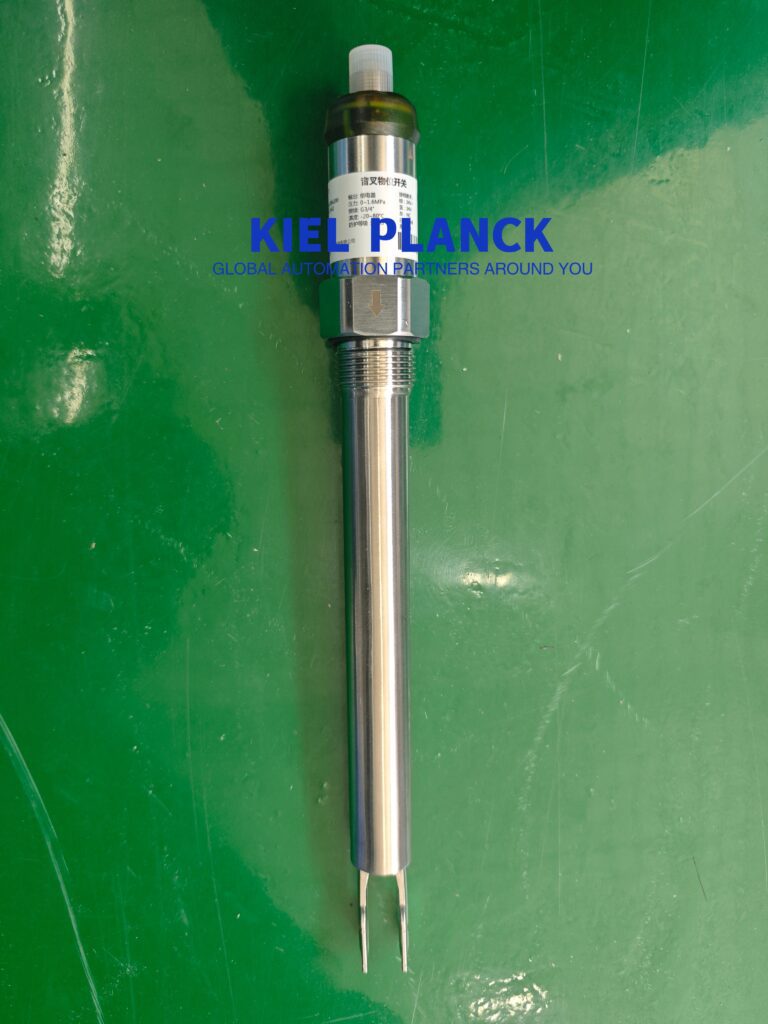
High-viscosity glue and paper pulp are typical non-Newtonian viscous media widely applied in packaging, papermaking, and chemical industries. Such media have prominent characteristics of high consistency, strong adhesion, and easy wall hanging, which bring severe challenges to traditional level detection equipment
Tuning Fork Level Switches for High and Low Level Alarm of Storage Tanks with Flammable and Explosive Media
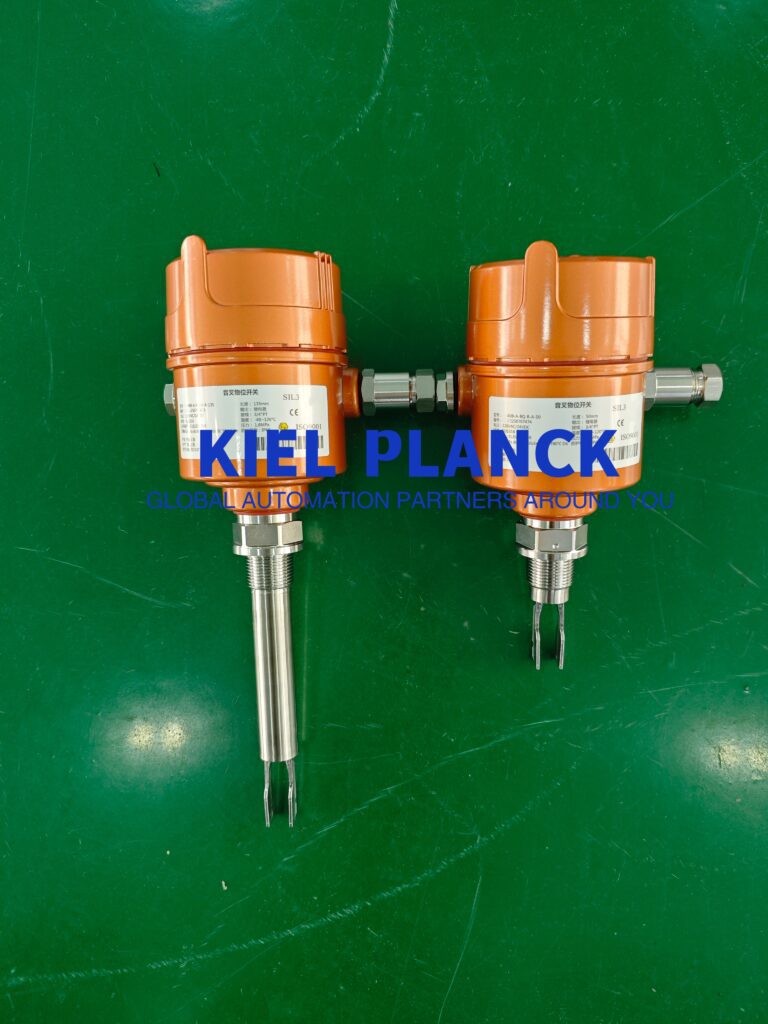
Flammable and explosive media such as organic solvents, fuel oils and chemical volatile liquids are widely stored in industrial storage tanks, posing severe safety risks of leakage, overfilling and explosion. High-precision and reliable high and low liquid level alarm is the core safety barrier for tank area operation.
Tuning Fork Level Switches: An Alternative to Floating Ball Failure for High-Turbulence Reactor Working Conditions
Chemical reaction kettles are core process equipment for mixing, synthesis, and material reaction in fine chemical, pharmaceutical, and new energy industries. The continuous stirring, circulating feeding, and violent liquid fluctuation inside the reactor form strong turbulent flow, which has long been a key cause of frequent failure of traditional floating ball level switches.
Tuning Fork Level Switches Adapted to CIP Cleaning Scenarios in Food and Pharmaceutical Sanitary Working Conditions
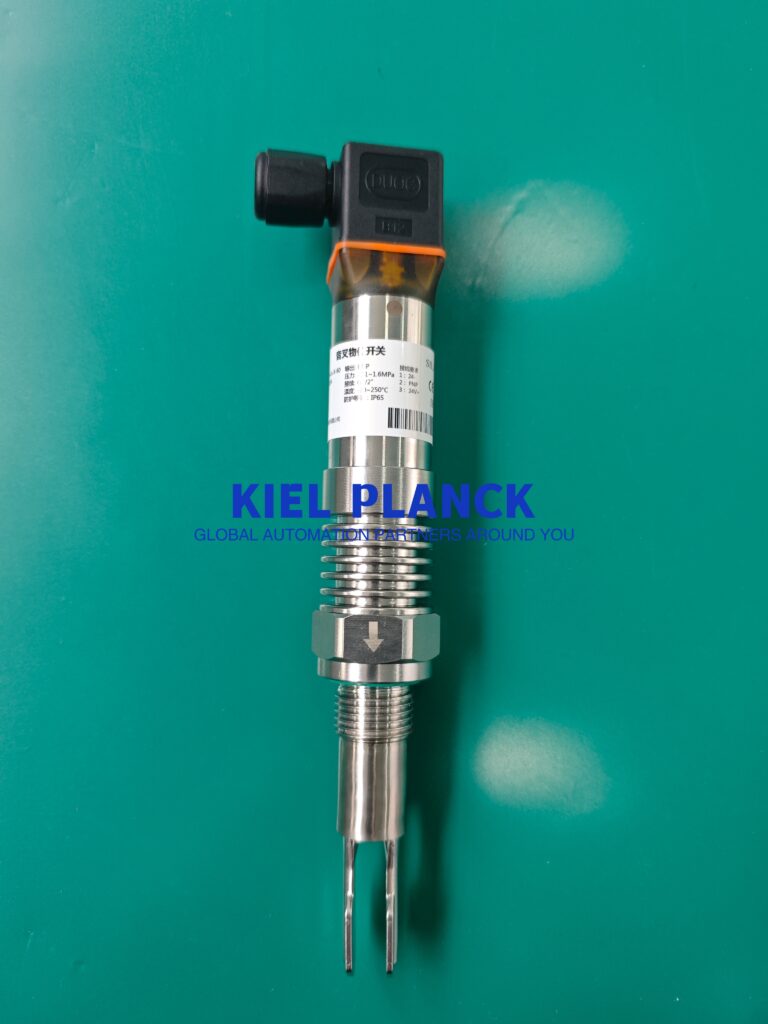
Food and pharmaceutical production industries require strict sanitary control and standardized cleaning procedures to ensure product safety and batch consistency. Cleaning in Place (CIP) is an essential automatic sterile cleaning technology for production tanks and pipelines, featuring high-temperature flushing, alternating chemical detergent scouring and frequent medium switching.
Tuning Fork Level Switches Solve Pump Dry-Run Interlock Problems in Impurity-Containing Sewage and Slurry Conditions
Sewage and slurry transportation systems are core facilities in environmental protection, chemical industry, municipal engineering and mining fields. The medium contains a large number of solid impurities, suspended particles and sediments, bringing severe challenges to liquid level monitoring and pump safety interlock control.
Tuning Fork Level Switches: Reliable Liquid Level Monitoring Unaffected by Bubble Disturbances in Complex Bioreactor Working Conditions
Biological fermentation tanks (bioreactors) are core production equipment for biopharmaceuticals, probiotic fermentation, and biological enzyme synthesis, featuring complex operating conditions such as continuous aeration stirring, microbial metabolism, and frequent bubble and foam generation.
Tuning Fork Level Switches for Tank Overflow Protection in Viscous and Adhesive Lithium Battery Slurry Working Conditions
Lithium battery slurry is a key intermediate material in new energy battery manufacturing, featuring high viscosity, strong wall adhesion, solid-liquid mixing characteristics and easy curing properties. During tank stirring, circulating feeding and material transfer processes, traditional liquid level monitoring instruments are highly susceptible to slurry adhesion, residue accumulation and liquid level fluctuation, resulting in false level signals, failed overflow alarms and inaccurate threshold judgment
Explosion-proof and Anti-corrosion Reliable Monitoring of Tuning Fork Level Switches for Limit Control of Corrosive Chemical Storage Tanks
Chemical storage tanks for corrosive media are essential infrastructure in the chemical industry, commonly used to store strong acid, strong alkali, organic solvent and other highly corrosive, volatile and flammable chemical materials.
Stable High and Low Liquid Level Monitoring with Tuning Fork Level Switches for Foam Interference in Stirred Tanks
Stirred tanks are core process equipment widely used in chemical, biopharmaceutical, food processing and new energy industries. High-speed stirring, aeration reaction and medium mixing often generate a large amount of surface foam, which has long been a key factor leading to inaccurate liquid level measurement.

