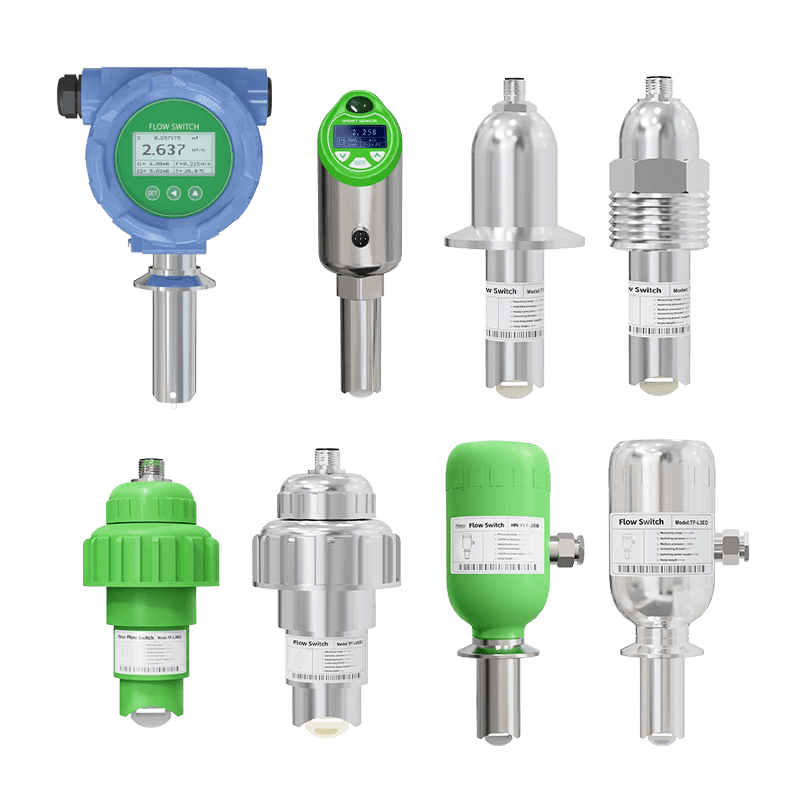
Abstract
Lithium battery slurry is a key intermediate material in new energy battery manufacturing, featuring high viscosity, strong wall adhesion, solid-liquid mixing characteristics and easy curing properties. During tank stirring, circulating feeding and material transfer processes, traditional liquid level monitoring instruments are highly susceptible to slurry adhesion, residue accumulation and liquid level fluctuation, resulting in false level signals, failed overflow alarms and inaccurate threshold judgment. Uncontrolled slurry overflow not only causes material waste and workshop contamination but also triggers production downtime and batch quality inconsistencies, seriously affecting the stable operation of lithium battery front-end manufacturing. This article analyzes the monitoring difficulties of viscous adhesive slurry tanks, summarizes the technical defects of conventional level sensors, and expounds the working principle, core advantages and on-site deployment strategies of tuning fork level switches for anti-adhesion and overflow protection. The study verifies that tuning fork level switches can effectively adapt to complex slurry working conditions, eliminate measurement errors caused by wall hanging and viscosity interference, and provide reliable safety guarantee for automatic and stable production of lithium battery slurry workshops.
The unique physical properties of lithium slurry bring multiple technical challenges to level monitoring and overflow protection. First, high viscosity and strong adhesion cause continuous slurry accumulation on sensor surfaces. Most conventional sensors identify levels through contact capacitance or signal reflection, and residual adhesion will form permanent false level signals, resulting in failure to detect real liquid level changes. Second, the slurry tank operates with long-term stirring, generating continuous liquid fluctuation and local splashing, which easily triggers misjudgment of traditional instruments. Third, the solid-liquid mixed slurry has unstable density, and partial curing and stratification will further interfere with continuous level monitoring. In addition, slurry overflow will lead to high-cost material loss, clean workshop pollution and even equipment motor burnout, bringing huge economic losses and safety risks to battery production lines.
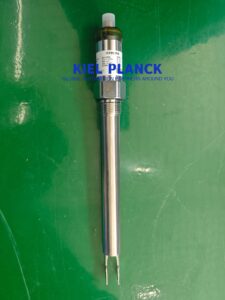
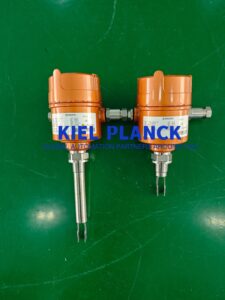
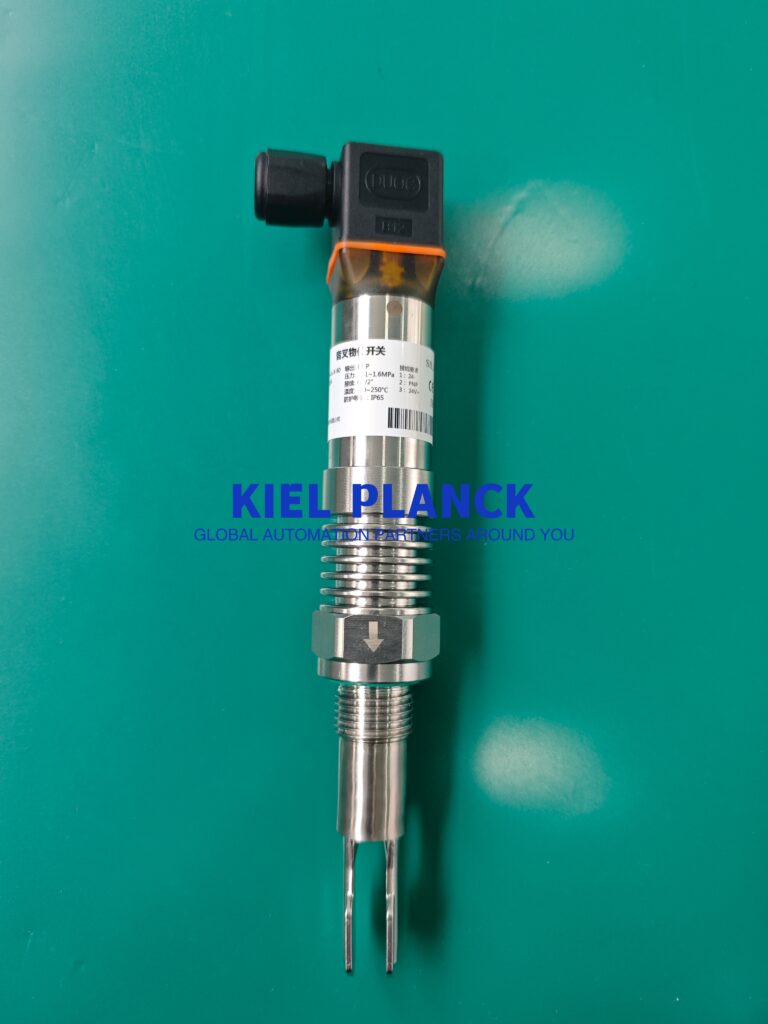
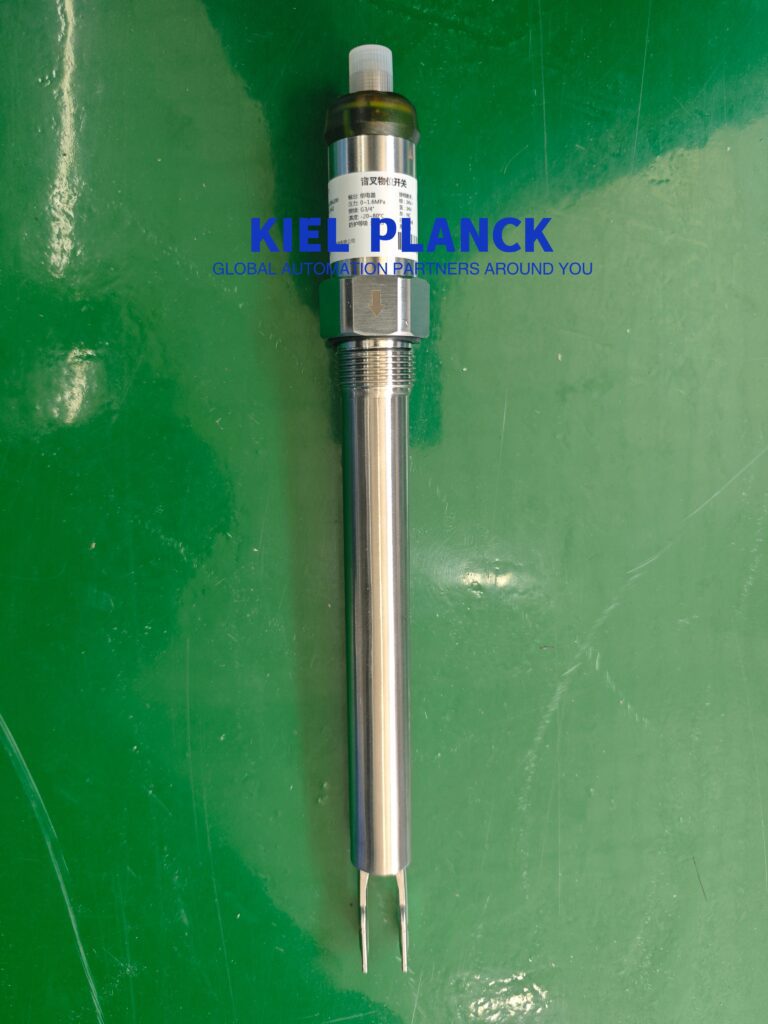
In addition, the tuning fork probe adopts a smooth integrated structure without grooves and dead corners, which greatly reduces slurry adhesion and is convenient for regular online cleaning. The equipment has no moving parts, no mechanical wear and strong vibration resistance, which can adapt to long-term stirring vibration and slurry impact in the tank. It can stably and accurately capture the high-level threshold, realize timely overflow alarm and feeding interlock stop, and build a reliable safety barrier for slurry tank production.5. On-site Deployment and Optimization Scheme
For lithium battery slurry tank overflow protection, tuning fork level switches are installed at the preset high-level alarm threshold inside the tank, avoiding stirring vortex and long-term material impact areas. The high-level switch is linked with the feeding system and alarm device. When the liquid level reaches the limit value, the instrument immediately outputs a switch signal to cut off feeding and trigger an audible and visual alarm to prevent slurry overflow. Combined with regular high-pressure cleaning and daily inspection, the probe can maintain long-term sensing sensitivity. The standard signal output is compatible with the factory PLC and automatic control system, realizing intelligent interlock protection and unattended safe operation of slurry tanks.
6. Conclusion
High viscosity and easy wall hanging are the key factors leading to the failure of traditional level monitoring and overflow protection of lithium battery slurry tanks. Traditional sensors are prone to false alarms and signal failure due to medium adhesion, which cannot adapt to the harsh working conditions of slurry production. Tuning fork level switches rely on density resonance recognition and anti-adhesion structural design to effectively resist the interference of slurry hanging, stirring fluctuation and medium viscosity. They achieve stable and accurate high-level limit monitoring and reliable anti-overflow protection. The standardized application of tuning fork level switches can effectively avoid material waste and workshop safety risks, improve the stability and automation level of lithium battery slurry production, and provide strong technical support for high-quality manufacturing of new energy batteries.
For lithium battery slurry tank overflow protection, tuning fork level switches are installed at the preset high-level alarm threshold inside the tank, avoiding stirring vortex and long-term material impact areas. The high-level switch is linked with the feeding system and alarm device. When the liquid level reaches the limit value, the instrument immediately outputs a switch signal to cut off feeding and trigger an audible and visual alarm to prevent slurry overflow. Combined with regular high-pressure cleaning and daily inspection, the probe can maintain long-term sensing sensitivity. The standard signal output is compatible with the factory PLC and automatic control system, realizing intelligent interlock protection and unattended safe operation of slurry tanks.
6. Conclusion
High viscosity and easy wall hanging are the key factors leading to the failure of traditional level monitoring and overflow protection of lithium battery slurry tanks. Traditional sensors are prone to false alarms and signal failure due to medium adhesion, which cannot adapt to the harsh working conditions of slurry production. Tuning fork level switches rely on density resonance recognition and anti-adhesion structural design to effectively resist the interference of slurry hanging, stirring fluctuation and medium viscosity. They achieve stable and accurate high-level limit monitoring and reliable anti-overflow protection. The standardized application of tuning fork level switches can effectively avoid material waste and workshop safety risks, improve the stability and automation level of lithium battery slurry production, and provide strong technical support for high-quality manufacturing of new energy batteries.
Scan the QR code to receive more detailed information.