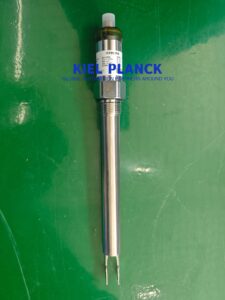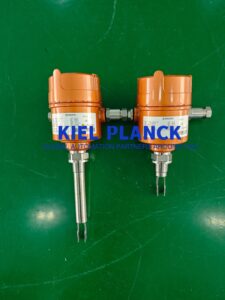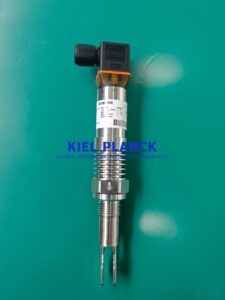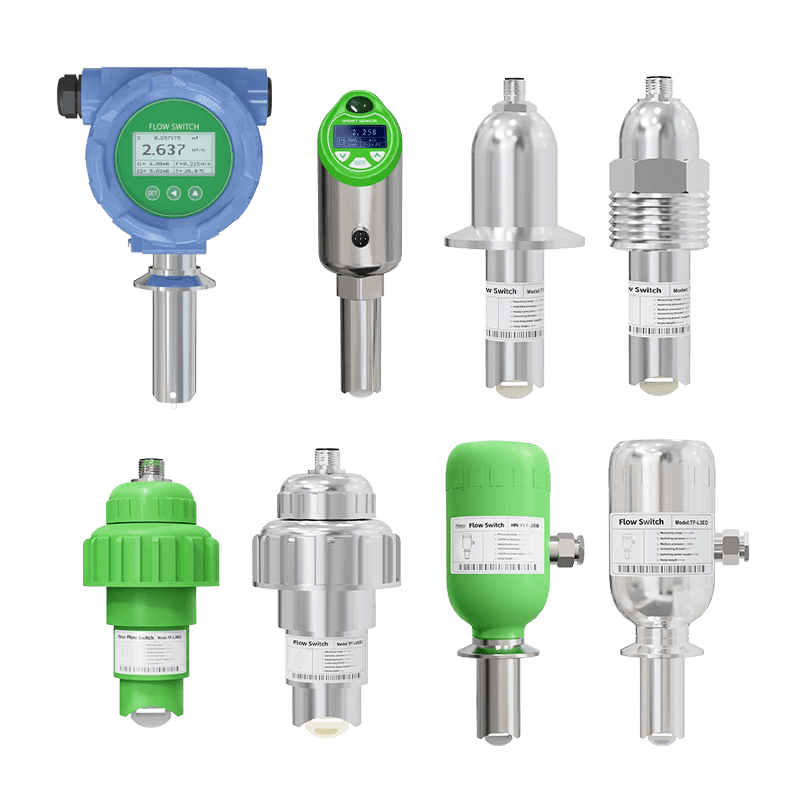
A large number of suspended bubbles and floating foam inside the tank have always been the primary cause of inaccurate liquid level measurement and false alarm faults for traditional level sensors. Conventional monitoring instruments, including radar, capacitive and floating ball level sensors, cannot effectively distinguish real liquid level from bubble interference, resulting in unstable process control, abnormal feeding interlock, and inconsistent fermentation batch quality. As a high-reliability point-level measuring device based on mechanical resonance principle, tuning fork level switches identify medium status through density difference, completely immune to air bubbles, foam and liquid fluctuation. This paper analyzes the level monitoring difficulties caused by bubble disturbance in bioreactors, summarizes the inherent defects of traditional sensors, and elaborates on the anti-interference mechanism, core application advantages and standardized deployment schemes of tuning fork level switches. The research provides stable and reliable level monitoring solutions for complex fermentation production processes and ensures standardized and efficient biopharmaceutical production.
Keywords: tuning fork level switch; bioreactor; fermentation process; bubble disturbance; anti-interference level monitoring; biopharmaceutical production
1. Introduction
Modern biological fermentation production relies on precise and stable tank environment control to ensure microbial activity and metabolite synthesis efficiency. During the normal operation of fermentation tanks, continuous aeration, oxygen supply and mechanical stirring generate a large number of tiny suspended bubbles and floating foam, forming a complex gas-liquid mixed interface. Real-time and accurate liquid level monitoring is essential for feeding control, overflow prevention and sterile safety protection of fermentation systems. However, traditional level measuring instruments are highly sensitive to interface changes and bubble interference, prone to frequent signal jitter and misjudgment, which seriously affects the closed-loop control accuracy of fermentation parameters. In contrast, tuning fork level switches adopt density-based resonance detection, which ignores bubble and foam disturbance and adapts to long-term stable operation in complex fermentation working conditions, becoming an indispensable key device for bioreactor level monitoring.
2. Bubble Interference Pain Points and Traditional Instrument Defects
The whole fermentation process requires continuous aeration and stirring to maintain oxygen content and uniform strain growth, resulting in persistent bubble coverage on the liquid surface and inside the liquid. Such gas-liquid mixing state brings fatal interference to traditional level sensors. Radar level meters rely on signal echo reflection, and bubbles will scatter electromagnetic waves, causing unstable echo signals and severe data fluctuation. Capacitive level switches judge liquid level based on dielectric constant changes, and gas-liquid mixing will lead to disordered dielectric parameters and continuous false triggering. Floating ball switches are easily affected by bubble buoyancy and liquid fluctuation, unable to stably lock the real liquid level threshold. These defects lead to inaccurate level feedback, untimely feeding and discharge adjustment, and even cause fermentation liquid overflow and sterile system failure, restricting the stability of biological production.
3. Anti-bubble Interference Working Mechanism of Tuning Fork Level Switches
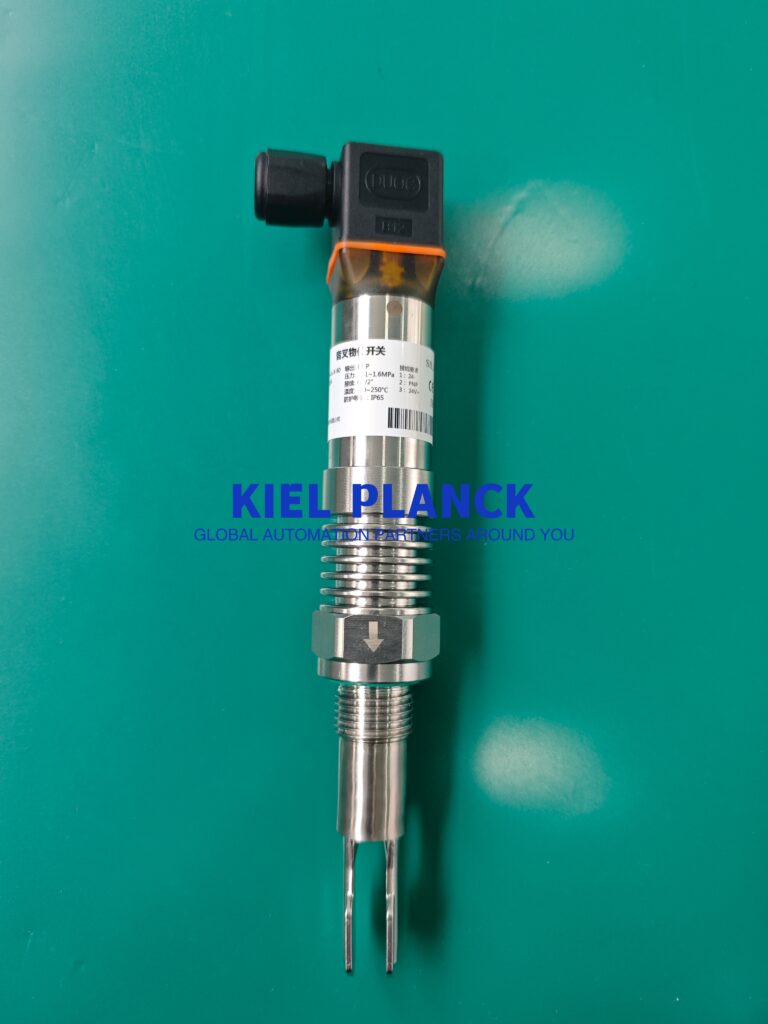
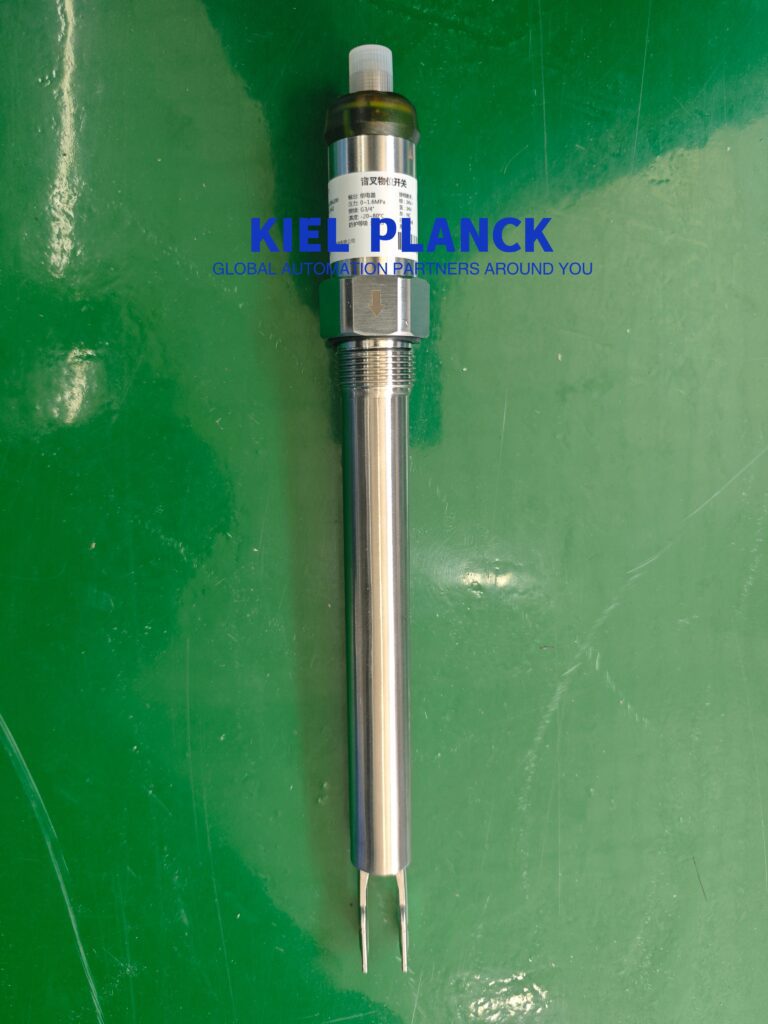
Different from conventional sensing technologies, tuning fork level switches operate on piezoelectric resonance principle, achieving fundamental immunity to bubble and foam interference. The piezoelectric driving unit keeps the fork vibrating at a stable natural frequency in the air. When the fork contacts high-density fermentation liquid, the liquid produces obvious damping effect on the vibration, reducing the frequency and amplitude and triggering accurate level switch signals. In contrast, low-density bubbles and foam cannot form effective vibration damping on the fork body, so they will not change the resonance state or cause false signal output. This density discrimination mechanism enables the instrument to accurately identify the real gas-liquid boundary, filtering all bubble and foam interference signals in fermentation tanks.
4. Core Application Advantages in Complex Fermentation Conditions
In addition to outstanding anti-bubble performance, tuning fork level switches have multiple advantages adapted to fermentation working conditions. The integrated smooth probe structure has no mechanical moving parts, no dead corners and no residue accumulation, which meets the sanitary and sterile production requirements of biopharmaceuticals and is convenient for CIP cleaning and high-temperature sterilization. The instrument has strong vibration resistance, which can resist long-term mechanical stirring vibration inside the tank without signal drift. It is not affected by medium viscosity, microbial suspension concentration and liquid fluctuation, maintaining long-term measurement stability. Meanwhile, it supports fast switch signal output and seamless docking with PLC and DCS systems, realizing automatic interlock control of fermentation tank feeding, overflow alarm and liquid level protection.
5. On-site Deployment and Application Strategy
For complex fermentation tank working conditions with severe bubble disturbance, tuning fork level switches are installed at the preset high and low liquid level limit positions, avoiding stirring vortex and aeration impact areas to ensure stable probe vibration. The high-level switch is used for overflow protection to prevent sterile fermentation liquid overflow, while the low-level switch avoids empty tank operation and equipment idling. Regular online cleaning and parameter calibration can maintain long-term sensing sensitivity. Through reasonable configuration, the instrument can realize all-weather stable monitoring without being affected by fermentation stage changes, bubble density fluctuations and process parameter adjustments.
6. Conclusion
Bubble and foam disturbance is the core factor leading to frequent measurement errors of traditional level sensors in bioreactor production. Limited by sensing principles, conventional instruments cannot adapt to the complex gas-liquid mixed working environment of fermentation tanks. With unique mechanical resonance density identification technology, tuning fork level switches completely solve the industry pain point of bubble interference misjudgment. They feature stable performance, sanitary structure and strong environmental adaptability, which can effectively guarantee accurate liquid level limit monitoring and safe interlock operation of fermentation systems. Popularizing the application of tuning fork level switches helps stabilize biological fermentation process parameters, improve product batch consistency, and provide reliable technical support for the high-quality and standardized development of biopharmaceutical manufacturing.
Scan the QR code to receive more detailed information.