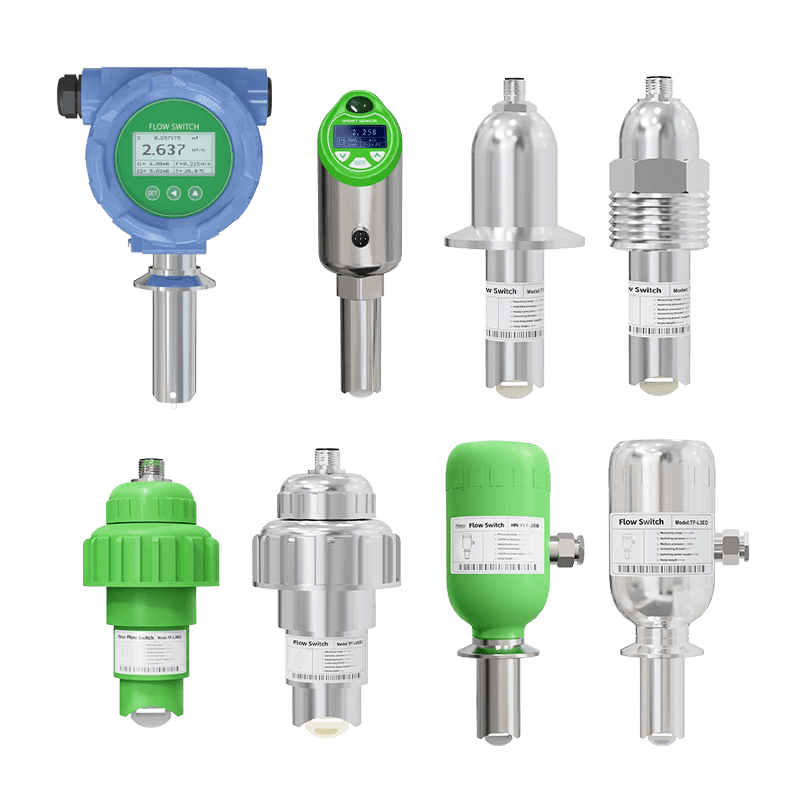
Such tank operation faces dual risks: medium corrosion damaging monitoring instruments and flammable vapor triggering explosion hazards. Traditional level limit sensors are prone to corrosion aging, signal failure and false triggering in long-term service, resulting in inaccurate liquid level limit control, tank overflow, empty tank operation and even safety accidents. As a robust point-level monitoring device, tuning fork level switches feature specialized anti-corrosion structure, professional explosion-proof certification and stable mechanical resonance sensing performance. This article analyzes the operational challenges of corrosive chemical storage tanks, discusses the defects of conventional limit monitoring instruments, and elaborates on the application advantages and standardized deployment schemes of explosion-proof and anti-corrosion tuning fork level switches. The research aims to provide reliable level limit monitoring solutions for corrosive chemical storage facilities, ensuring long-term safe and stable operation of chemical tank areas.
Keywords: tuning fork level switch; chemical storage tank; corrosive medium; explosion-proof monitoring; anti-corrosion; liquid level limit control
1. Introduction
Chemical storage tanks bearing corrosive media operate in harsh high-risk environments all year round. Most chemical corrosive liquids have dual characteristics of corrosion and volatility, which not only erode instrument contact components but also form flammable and explosive mixed vapor in the tank confined space. Liquid level limit monitoring is the core line of defense for tank safety management, responsible for high-level overflow prevention and low-level empty tank protection. Traditional monitoring equipment such as floating ball switches and capacitive level switches has poor corrosion resistance and insufficient safety performance, which cannot adapt to long-term continuous operation in corrosive and explosive environments. In contrast, anti-corrosion and explosion-proof tuning fork level switches overcome the shortcomings of traditional instruments, with strong environmental adaptability and high measurement stability, becoming the preferred equipment for reliable level limit monitoring of corrosive chemical storage tanks.
2. Operational Dangers and Traditional Instrument Defects
Corrosive chemical tanks have two core operational risks. First, long-term contact with corrosive media will cause chemical erosion, oxidation and structural damage to instrument probes, leading to measurement drift, response lag and permanent failure. Second, volatile chemical gases form explosive hazardous atmospheres, requiring all on-site electrical instruments to meet strict explosion-proof standards to avoid ignition risks. Traditional floating ball switches adopt ordinary metal structures, which are easily corroded and stuck, resulting in failed limit alarm. Capacitive level switches are sensitive to medium adhesion and tank wall corrosion, prone to false signals. Most conventional instruments lack formal explosion-proof certification, bringing major hidden dangers to tank area safety production and standardized assessment.
3. Core Advantages of Tuning Fork Level Switches for Corrosive and Explosive Working Conditions
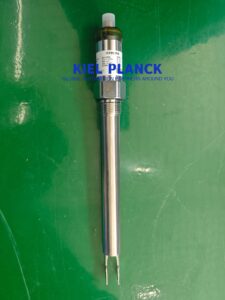
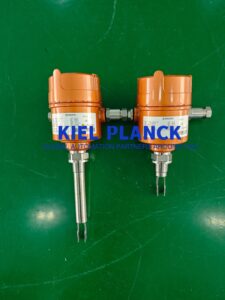
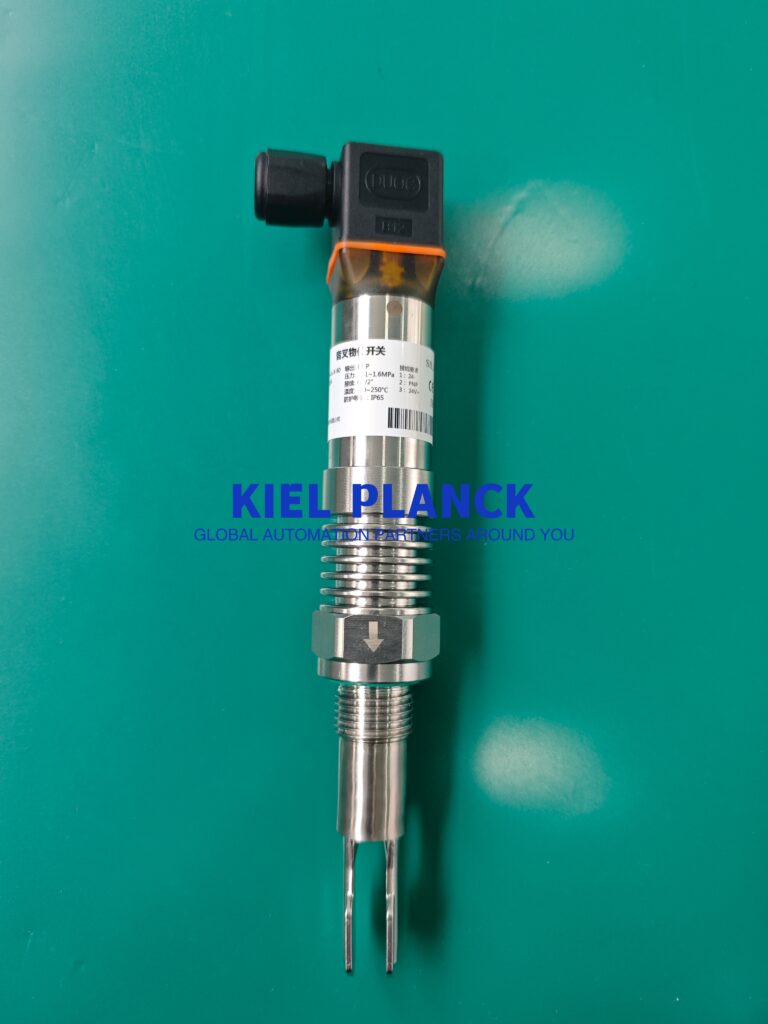
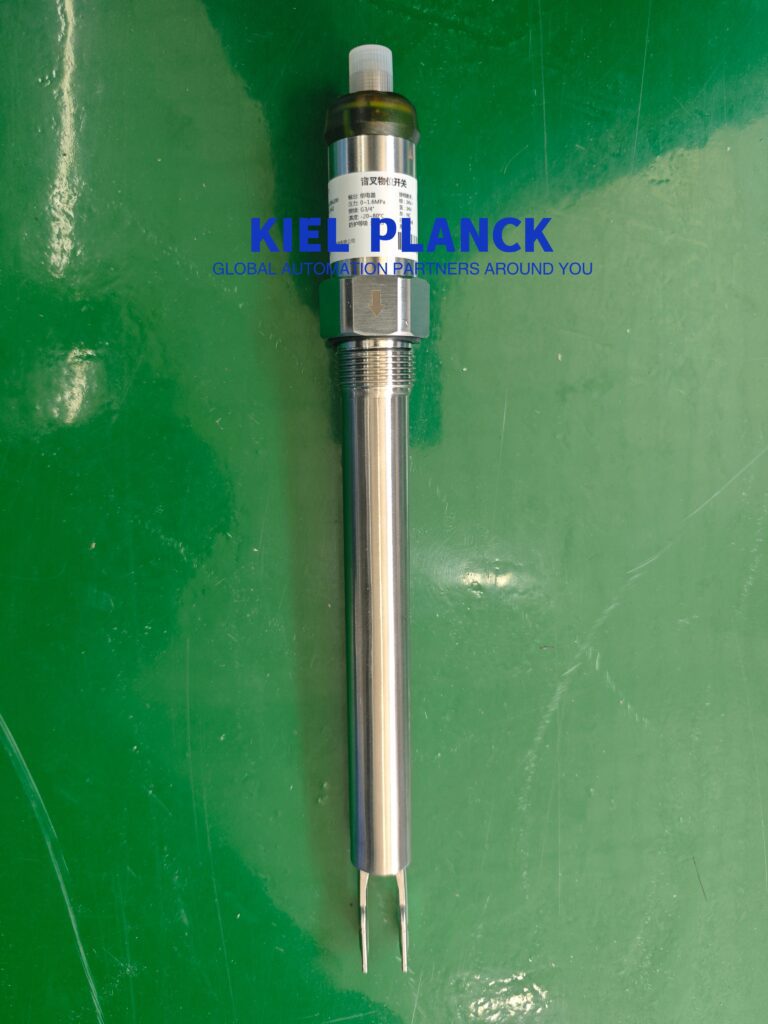
Tuning fork level switches rely on mechanical resonance principle to realize level judgment, with inherent technical advantages suitable for harsh chemical tank conditions. In terms of anti-corrosion performance, the wetted parts are made of high-grade 316L stainless steel, PTFE or Hastelloy alloy materials, which can resist long-term erosion of strong acid, strong alkali and various organic corrosive media, avoiding structural corrosion and probe damage. The fully enclosed integrated structure leaves no dead corners, preventing medium adhesion and residue interference, ensuring long-term stable sensing performance.
In terms of explosion-proof safety, professional intrinsically safe explosion-proof design and complete industry certification can adapt to Zone 0 and Zone 1 hazardous areas of chemical tanks, effectively preventing electrical spark ignition risks. Different from traditional instruments with moving parts, tuning fork switches have no mechanical wear and low failure rate. They are not affected by medium density, viscosity, steam and tank vibration, achieving accurate and reliable high and low limit signal output all year round.
4. Standard Field Application and Deployment Scheme
For corrosive chemical storage tanks, tuning fork level switches adopt dual-limit configuration to build a complete safety monitoring system. The high-level limit switch is installed at the tank overflow warning height to trigger alarm and linkage feeding stop, preventing corrosive liquid overflow and environmental pollution and equipment corrosion accidents. The low-level limit switch is installed at the safe bottom liquid level to avoid empty tank operation, pump idling and pipeline gas lock caused by excessively low liquid level.
During installation and commissioning, the probe is fixed away from liquid fluctuation impact and steam aggregation areas to ensure stable resonance state. According to different corrosive medium characteristics, targeted probe material selection is carried out to match working condition adaptability. The instrument outputs standard switch signals, which is seamlessly compatible with chemical DCS and PLC control systems, realizing real-time monitoring, remote alarm and automatic safety interlock.
5. Conclusion
Corrosion and explosion risk are the two major bottlenecks restricting the stable operation of level monitoring instruments for chemical corrosive storage tanks. Traditional level limit instruments are difficult to balance anti-corrosion performance, explosion-proof safety and measurement stability, resulting in frequent monitoring failures. Explosion-proof and anti-corrosion tuning fork level switches perfectly adapt to the harsh working conditions of corrosive chemical tanks by virtue of high-performance corrosion-resistant materials, intrinsically safe explosion-proof design and reliable resonance sensing technology. Standardized configuration and application can effectively eliminate false alarms and instrument failure risks, realize accurate and reliable long-term limit monitoring, and provide solid safety guarantee for standardized operation, risk prevention and control of chemical storage tank areas.
Scan the QR code to receive more detailed information.