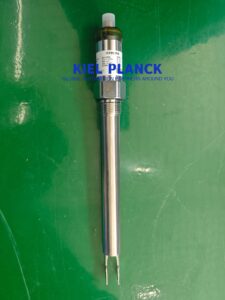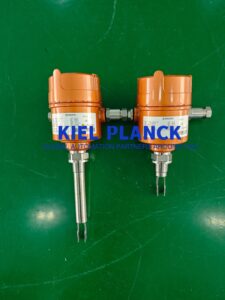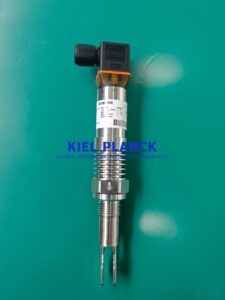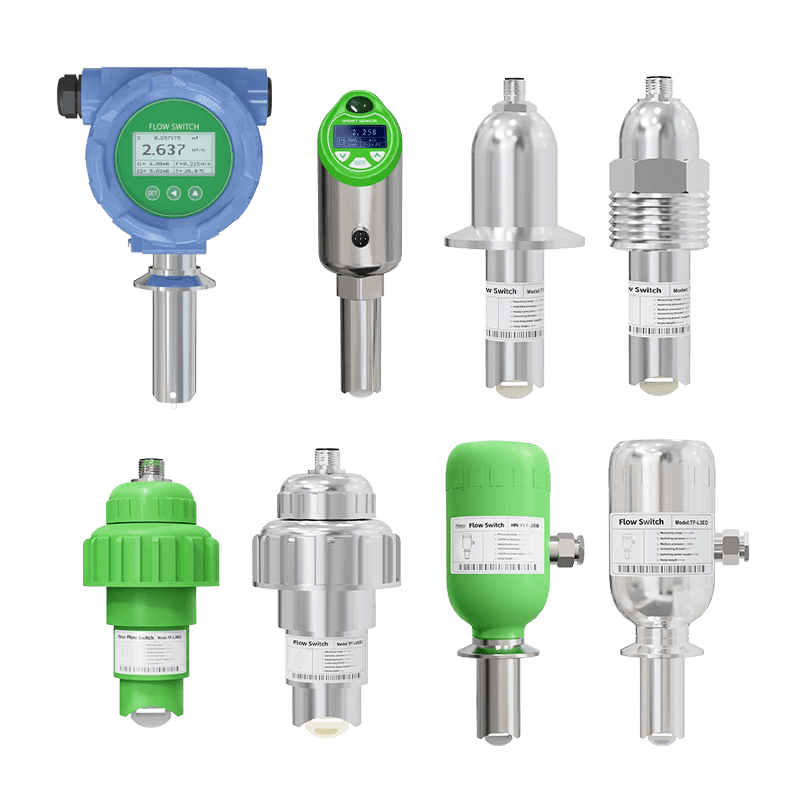
As an intrinsically safe monitoring instrument, tuning fork level switches feature professional explosion-proof performance, stable mechanical resonance detection and high environmental adaptability. This paper analyzes the safety monitoring difficulties of flammable and explosive medium tanks, discusses the inherent defects of traditional level sensors, and elaborates on the working principle, safety advantages and field application schemes of tuning fork level switches for high and low level alarm. The study provides a reliable technical solution for safety monitoring and risk prevention of industrial hazardous chemical storage tanks.
Keywords: tuning fork level switch; flammable and explosive medium; storage tank; level alarm; explosion-proof monitoring; industrial safety
1. Introduction
Hazardous chemical storage tanks containing flammable and explosive media are classified as high-risk facilities in petrochemical, fine chemical and energy industries. Volatile organic liquids and fuel-based media continuously evaporate inside enclosed tank spaces, forming combustible gas mixtures that may ignite due to electrical anomalies, instrument failures or overfilling accidents. Reliable high and low level alarm systems serve as the primary safety line of defense to prevent tank overflow, medium leakage, pump dry-running and explosive hazards. Nevertheless, conventional level monitoring devices commonly used in tank areas, such as floating ball switches and ordinary capacitive sensors, exhibit obvious limitations in hazardous working conditions. Mechanical floating structures are susceptible to jamming, corrosion and false triggering, while non-explosion-proof electrical components may generate potential ignition sources. In contrast, explosion-proof tuning fork level switches adopt intrinsically safe design and mechanical resonance sensing technology, which can stably achieve accurate level threshold judgment in flammable and explosive environments, making them ideal equipment for tank safety alarm and interlock protection.
2. Drawbacks of Traditional Level Alarm Devices
Most traditional level sensors fail to meet the stringent safety and stability requirements of flammable medium storage tanks. Floating ball level switches rely on mechanical buoyancy movement, and are easily affected by medium fluctuation, viscosity and sediment accumulation. Long-term operation often causes floating blockage, inaccurate resetting and delayed alarm response. In addition, frequent mechanical friction may produce tiny sparks, bringing potential explosion risks in volatile gas environments. Conventional capacitive level switches are sensitive to medium adhesion and temperature changes, prone to continuous signal drift and false alarms, which cannot support stable long-term safety monitoring. Moreover, many ordinary sensors lack complete explosion-proof certification and intrinsic safety performance, failing to comply with hazardous area operation specifications and leaving major hidden dangers for tank area safety management.
3. Working Principle and Explosion-Proof Advantages of Tuning Fork Level Switches
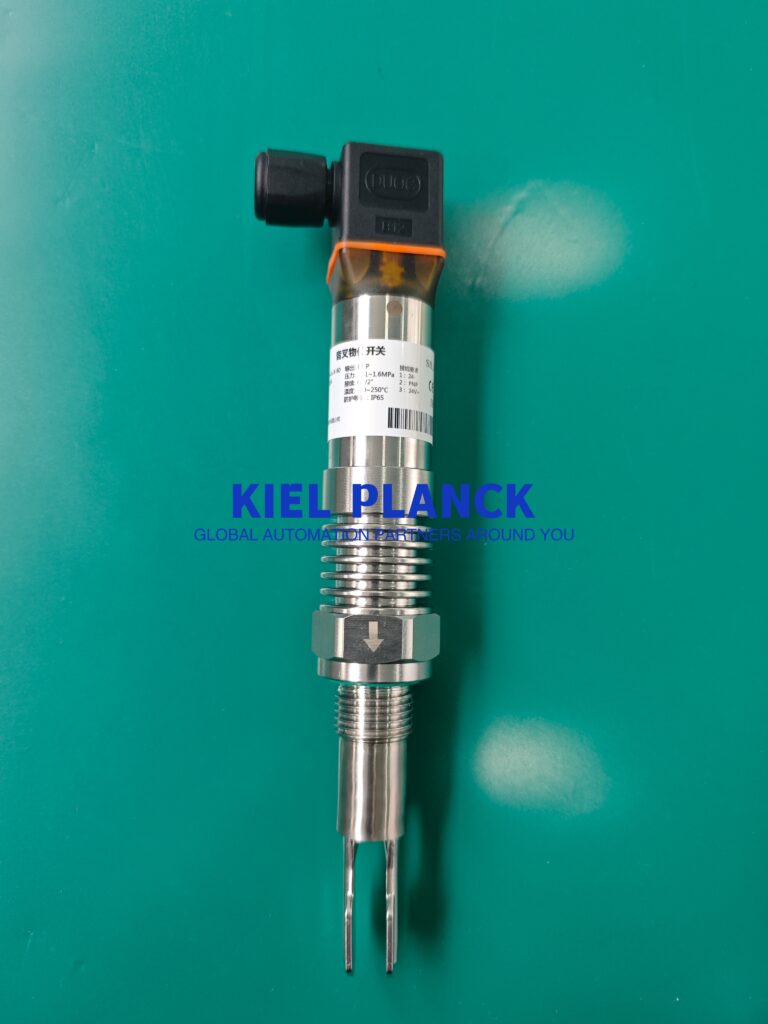
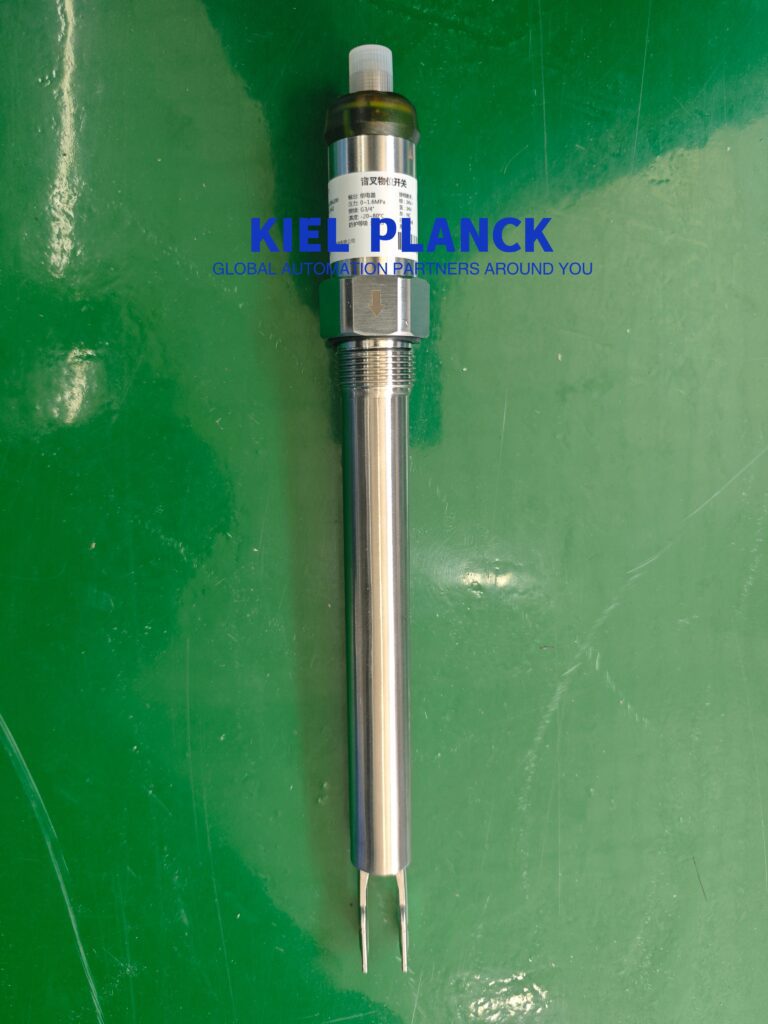
Tuning fork level switches operate based on piezoelectric mechanical resonance principle. The fork probe maintains a fixed vibration frequency in air; when contacting liquid medium, increased damping changes the vibration amplitude and frequency, triggering an accurate switch alarm signal. This physical detection method requires no electrical contact with the medium and generates no electric spark during operation. Equipped with professional intrinsically safe explosion-proof structure and certified explosion-proof grades suitable for Zone 0 and Zone 1 hazardous areas, the instrument completely eliminates ignition risks in flammable gas environments. Meanwhile, the integrated fully sealed structure avoids internal circuit exposure, effectively adapting to volatile, humid and corrosive tank working conditions. Without movable parts, the sensor avoids mechanical friction failure and greatly improves operational stability and service life.
4. Field Application of High and Low Level Alarm in Hazardous Tanks
In practical tank engineering, tuning fork level switches are deployed at high-level overflow warning positions and low-level pump protection positions to build a complete safety monitoring system. The high-level tuning fork triggers alarm and linkage feeding stop to prevent flammable medium overflow and volatile gas diffusion, avoiding combustion and explosion risks. The low-level tuning fork monitors the minimum safe liquid level to prevent delivery pump dry-running, pipeline cavitation and equipment damage caused by insufficient medium. The instrument features strong anti-interference ability, immune to liquid fluctuation, steam volatilization and tiny foam disturbance inside the tank, ensuring stable and accurate threshold judgment for a long time. Supporting standard switch signal output, it can be seamlessly connected with DCS and PLC systems to realize automatic alarm, remote monitoring and safety interlock control.
5. Conclusion
Flammable and explosive medium storage tanks pose extremely high requirements for instrument safety, stability and intrinsic safety performance. Traditional mechanical and ordinary electronic level sensors are difficult to adapt to hazardous working conditions due to mechanical failure risks and insufficient explosion-proof capability. Explosion-proof tuning fork level switches effectively solve the above pain points by virtue of spark-free resonance detection, professional explosion-proof design and high stability anti-interference performance. The standardized configuration of high and low level alarm systems can significantly reduce tank overflow, leakage and equipment failure risks, ensuring the safe and stable operation of hazardous chemical tank areas. It provides a reliable and economical technical solution for safety monitoring and risk control in petrochemical and chemical industries.
Scan the QR code to receive more detailed information.