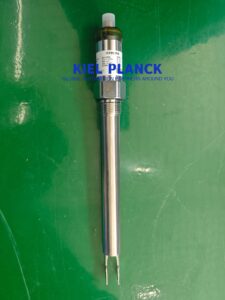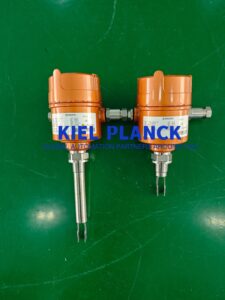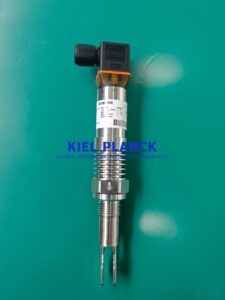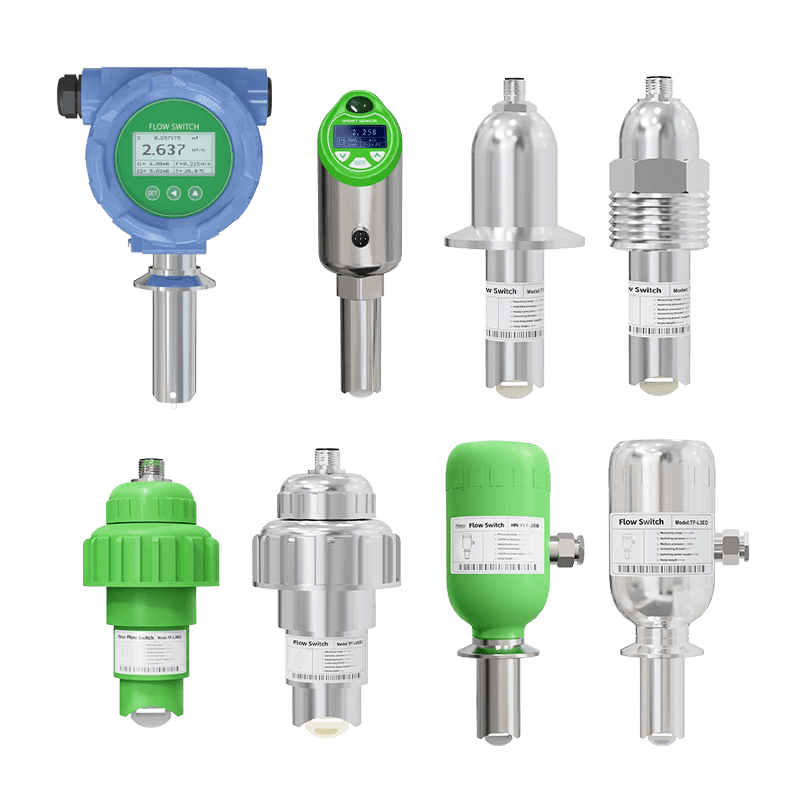
Floating ball sensors are prone to jitter, floating stagnation, mechanical jamming and false triggering under strong turbulence, resulting in inaccurate liquid level limit judgment, failed safety interlock, and unstable reactor operation. As a high-stability point-level monitoring device, tuning fork level switches adopt mechanical resonance sensing principle, which is immune to liquid turbulence, stirring fluctuation and medium flow impact. This paper analyzes the failure mechanism of floating ball switches in turbulent reactor conditions, expounds the anti-interference working principle and core application advantages of tuning fork level switches, and summarizes standardized field deployment strategies. The research provides a reliable level monitoring solution for high-turbulence reaction kettle working conditions and effectively solves the long-standing industrial pain point of floating ball instrument failure.
Keywords: reaction kettle; flow turbulence; floating ball failure; tuning fork level switch; anti-interference level monitoring; chemical process safety
1. Introduction
Industrial reaction kettles rely on mechanical stirring and material circulation to promote chemical reactions, inevitably generating continuous turbulent flow, liquid splashing and irregular level fluctuation. Accurate high and low liquid level monitoring is crucial to prevent reactor overflow, empty tank operation and material leakage risks, ensuring safe and stable reaction progress. For a long time, floating ball level switches have been widely used in reactor level monitoring due to their low cost and simple installation. However, their mechanical floating structure cannot resist strong liquid turbulence. Under long-term turbulent impact, floating balls frequently collide, stick or float abnormally, leading to disordered switch signals and complete monitoring failure. In contrast, tuning fork level switches feature fixed-point detection, no movable parts and strong anti-vibration capability, which can maintain stable level judgment in severe turbulent environments and replace traditional floating ball equipment as a new generation of reactor safety monitoring devices.
2. Failure Causes of Floating Ball Switches in Turbulent Reactor Conditions
The fundamental failure reason of floating ball switches lies in the mismatch between their mechanical structure and turbulent working conditions. First, the floating ball depends on buoyancy displacement to trigger signals. Strong turbulent impact will drive the floating ball to float up and down irregularly, causing continuous signal jitter and false high-level alarms. Second, intense liquid agitation easily causes the floating ball to collide with the tank wall and stirring paddle, resulting in mechanical deformation, jamming and inflexible movement. Third, viscous reaction materials and suspended solids adhere to the floating ball and connecting rod, increasing weight and causing floating failure, which makes the instrument unable to respond to real liquid level changes. In addition, long-term turbulent impact will accelerate mechanical wear, greatly shortening the service life of floating ball switches and increasing frequent maintenance and replacement costs for enterprises.
3. Anti-Turbulence Working Mechanism of Tuning Fork Level Switches
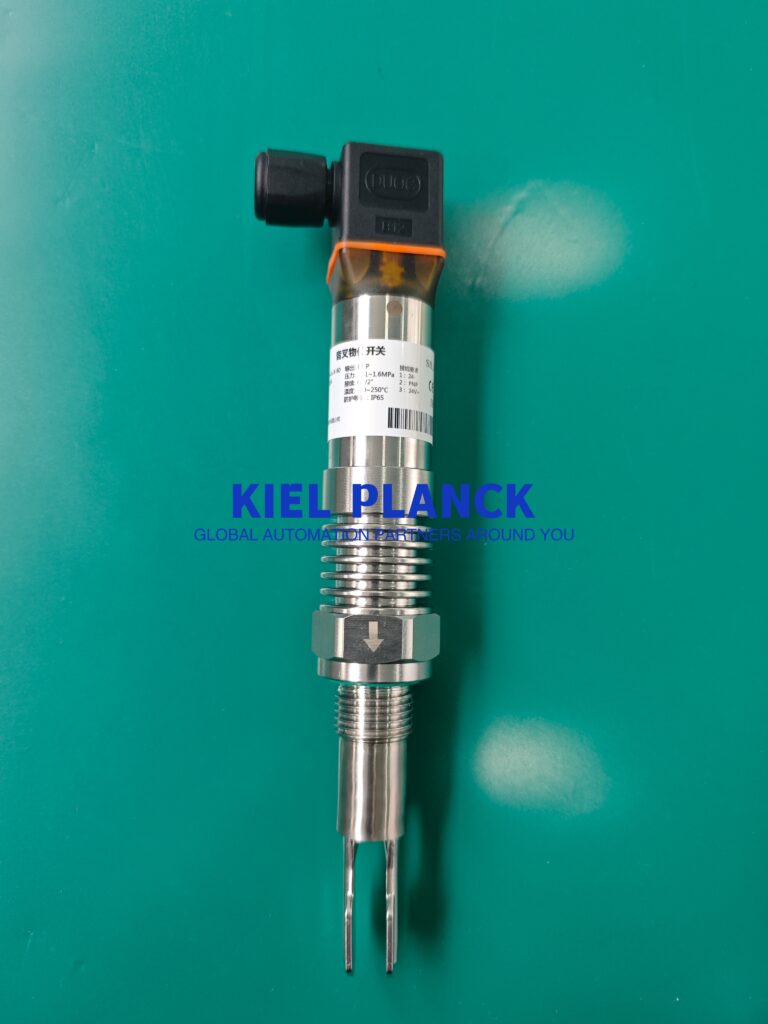
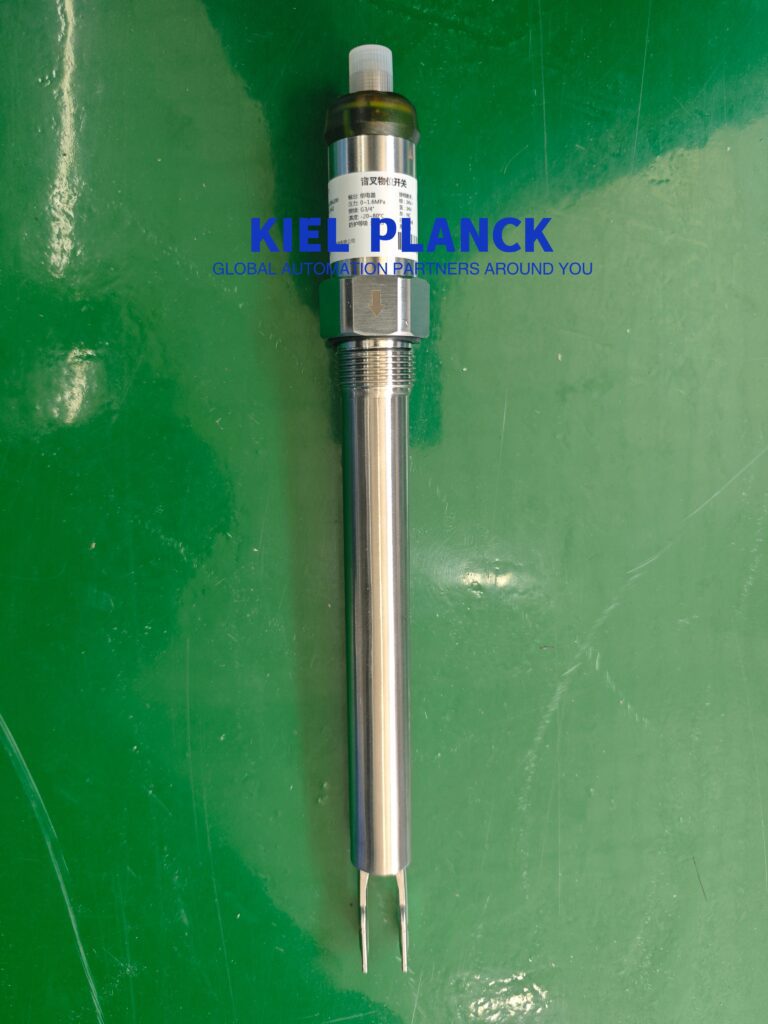
Tuning fork level switches completely abandon the mechanical floating structure of traditional instruments and adopt piezoelectric resonance detection technology, fundamentally adapting to high-turbulence reactor working conditions. The instrument’s fork body vibrates at a fixed natural frequency in the air state. Only when the fork is fully immersed in the liquid medium will the liquid produce obvious damping effect to change the vibration frequency and output an accurate liquid level signal. Turbulent fluctuation, instantaneous splashing and liquid flow impact cannot form stable damping changes on the fork body, thus will not trigger false signals. This density-based identification mechanism enables the instrument to filter all turbulent interference and accurately capture the real liquid level critical state, realizing stable monitoring all year round.
4. Core Application Advantages for Reactor Monitoring
Compared with floating ball switches, tuning fork level switches have prominent comprehensive advantages in reactor turbulent working conditions. Firstly, the integrated fixed probe structure has no movable components, completely eliminating jamming, floating deviation and mechanical wear failures caused by turbulence. Secondly, it has ultra-strong anti-interference performance, not affected by stirring vibration, liquid fluctuation, medium viscosity and splashing, maintaining stable and accurate signal output. Thirdly, the equipment has high structural strength and corrosion resistance, adapting to long-term scouring of chemical reaction media and harsh turbulent environments. Fourthly, it responds quickly with stable threshold judgment, which can reliably trigger overflow alarm and low-level interlock protection to ensure reactor operational safety.
5. On-Site Installation and Optimization Scheme
For high-turbulence reaction kettle scenarios, tuning fork level switches are installed at the preset safety limit positions of the tank, avoiding the central stirring vortex and direct liquid impact areas to further improve detection stability. The high-level switch is used for overflow prevention alarm and feeding interlock cutoff, while the low-level switch realizes pump dry-run protection and empty tank prevention. The instrument supports standard switch signal output, which is seamlessly compatible with industrial PLC and DCS control systems to realize automatic interlock control. With simple structure and zero daily maintenance, it can operate stably for a long time in high-turbulence reaction environments.
6. Conclusion
Strong turbulence inside reaction kettles is the primary cause of widespread floating ball switch failure in chemical production. Restricted by mechanical floating principle, traditional instruments cannot resist liquid fluctuation and impact, resulting in frequent misjudgment and poor operational stability. Tuning fork level switches solve the industry’s turbulent monitoring pain points with unique resonance sensing principle and non-movable structure. Replacing floating ball switches with tuning fork equipment can effectively eliminate signal jitter and monitoring failure risks, improve the accuracy and reliability of reactor liquid level limit monitoring, reduce equipment maintenance costs, and provide solid safety guarantee for the stable and efficient operation of chemical reaction processes.
Scan the QR code to receive more detailed information.