Water electrolysis is the core technology for green hydrogen production, mainly divided into alkaline water electrolysis (AEL) and proton exchange membrane electrolysis (PEM) technologies. Although both devices produce hydrogen through electrochemical water decomposition, their operating pressure, temperature, medium characteristics and startup modes are significantly different, leading to completely different instrumentation selection and operating standards. Many engineering teams adopt unified instrument configuration schemes for electrolysis hydrogen production projects, resulting in inaccurate measurement, severe corrosion, frequent false alarms and short service life. This article systematically compares the working condition differences between AEL and PEM electrolyzers, analyzes the differentiated requirements for pressure transmitters, level switches, flow meters and temperature sensors, and summarizes targeted instrument selection principles. It provides standardized technical guidance for precise instrumentation design and stable long-term operation of green hydrogen production projects.
1. Introduction
With the rapid development of renewable energy hydrogen production, alkaline electrolysis and PEM electrolysis have become the two mainstream industrial technical routes. Alkaline equipment features mature technology, low cost and large-scale stable operation, and is widely used in large-capacity hydrogen production bases. PEM electrolyzers have the advantages of fast response, flexible load adjustment and renewable energy fluctuation adaptability, suitable for wind and solar coupled hydrogen production scenarios. However, the differences in electrolyte environment, operating pressure range and load fluctuation amplitude between the two processes lead to incompatible instrument adaptability. General-purpose industrial instruments that work stably in AEL systems may suffer rapid aging and measurement failure in PEM systems, and vice versa. Clarifying the differentiated instrumentation requirements is the key to improving the operational stability of electrolytic hydrogen production units.
2. Fundamental Working Condition Differences Between AEL and PEM Electrolysis
The alkaline electrolysis process uses potassium hydroxide (KOH) alkaline solution as the electrolyte, with high liquid viscosity, strong alkalinity and high operating temperature. The system operates under near-atmospheric low pressure with stable load and small real-time parameter fluctuation. In contrast, PEM electrolysis adopts pure water proton exchange reaction without alkaline electrolyte, featuring clean medium, low viscosity and high operating pressure. PEM equipment supports frequent startup and shutdown and ultra-wide load fluctuation, with extremely strict requirements on instrument response speed and measurement accuracy. These essential process differences determine that the two technical routes cannot share unified instrument configuration standards.
3. Differentiated Instrumentation Selection Requirements
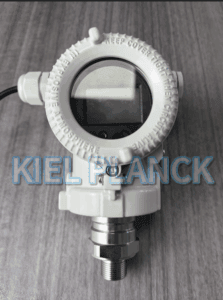
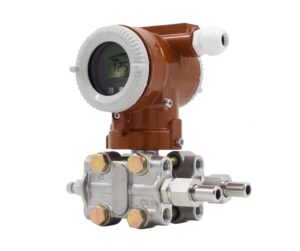
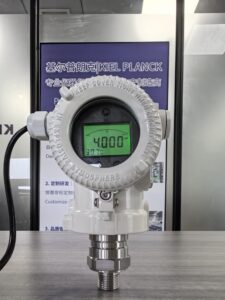
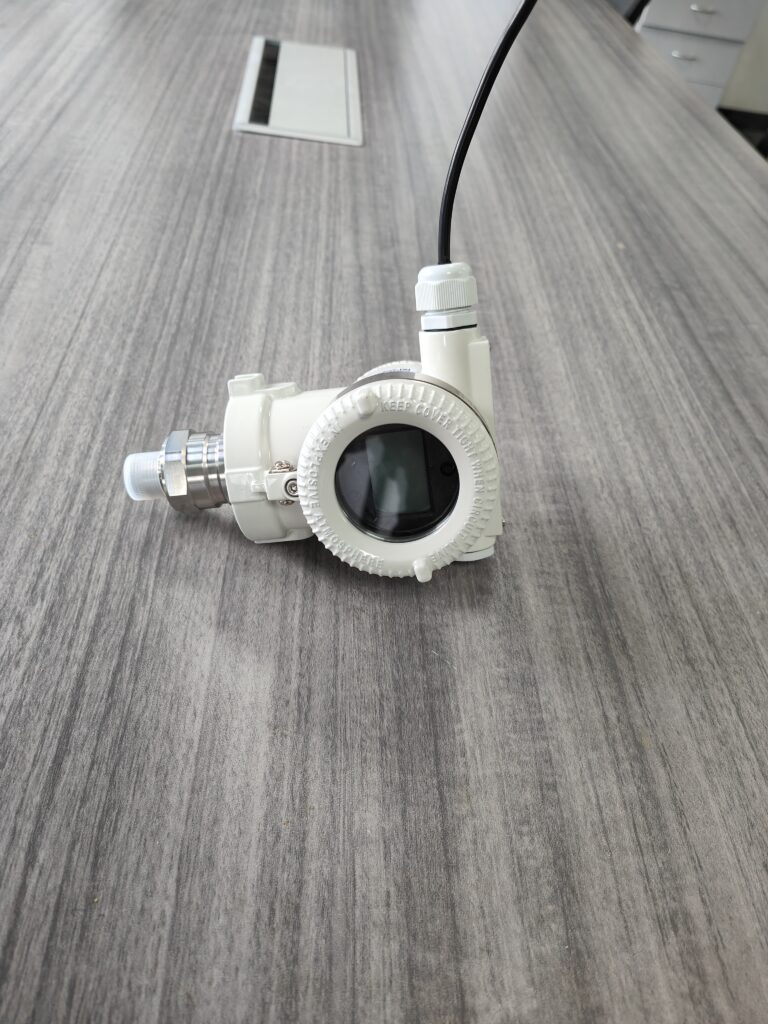
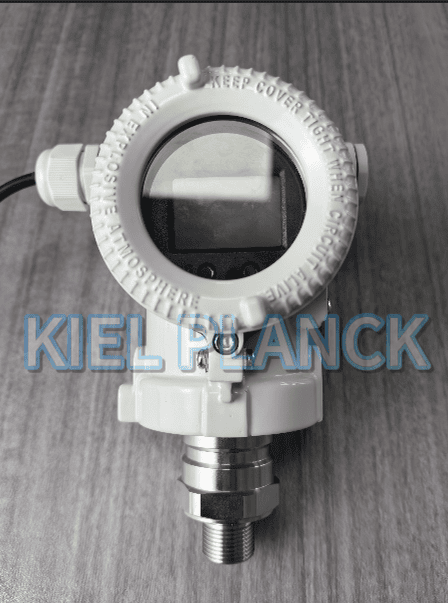
Pressure measurement instruments. AEL electrolyzers work under low pressure and stable pressure conditions, allowing conventional low-pressure transmitters with ordinary stability. Due to the strong alkaline corrosive medium, wetted parts must adopt alkali-resistant stainless steel materials to avoid alkali corrosion and scaling. PEM electrolysis operates under high-pressure hydrogen environment with frequent pressure surges and requires high-pressure hydrogen-resistant transmitters. Such instruments must resist hydrogen embrittlement and have excellent pressure fatigue resistance to adapt to frequent load fluctuations. Ordinary low-pressure alkaline pressure transmitters are completely unsuitable for PEM high-pressure hydrogen loops.
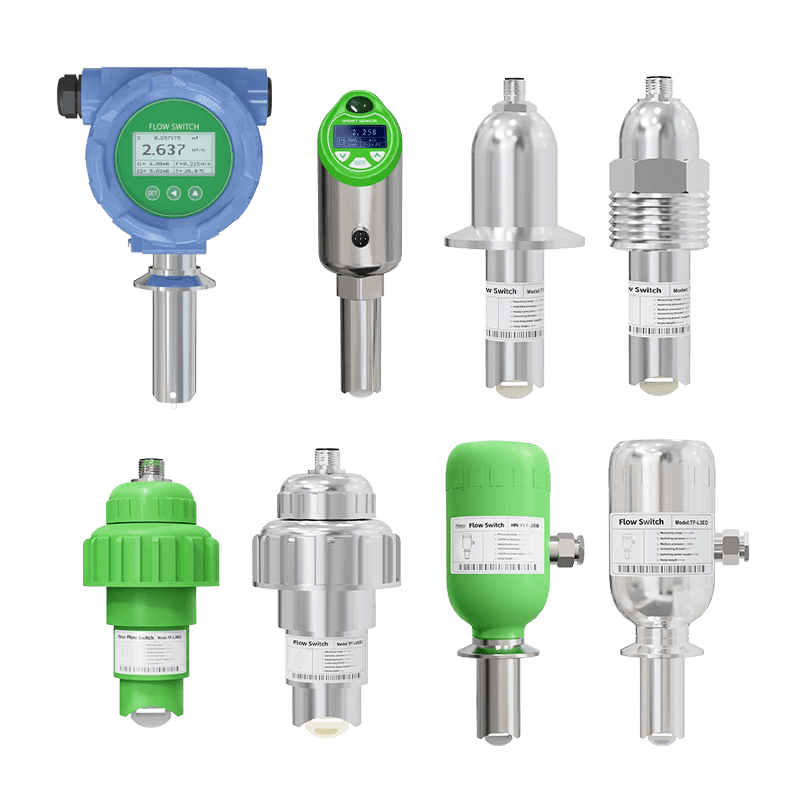
Liquid level detection instruments. AEL tanks contain high-concentration alkaline liquid, which is easy to scale and crystallize. Level instruments such as tuning fork switches must have anti-scaling and anti-sticking functions to prevent medium adhesion from causing false level alarms. PEM systems use pure water with clean medium and no scaling risk, but require ultra-high detection sensitivity to respond to rapid liquid level changes during flexible load adjustment. Slow-response level switches applicable to AEL will cause liquid level hysteresis and system imbalance in PEM electrolyzers.
Gas flow measurement instruments. AEL hydrogen production has stable output and low fluctuation, allowing conventional turbine or vortex flow meters for steady-state measurement. PEM hydrogen production fluctuates drastically with renewable energy power, requiring flow meters with wide turndown ratio and fast dynamic response to capture instantaneous flow changes. In addition, PEM high-pressure hydrogen requires hydrogen embrittlement resistant flow sensor materials, which is not required for AEL low-pressure gas measurement.
4. Common Engineering Selection Mistakes
The most common mistake is universal instrument matching for both processes. Many projects apply AEL anti-corrosion instruments to PEM systems, resulting in insufficient pressure resistance and hydrogen embrittlement failure. Conversely, applying high-precision PEM dedicated instruments to AEL projects causes cost waste and poor anti-scaling adaptability. In addition, ignoring the response speed gap leads to poor automatic control matching. Fixed parameter calibration suitable for stable AEL working conditions cannot adapt to PEM dynamic fluctuation, resulting in frequent system adjustment deviations.
5. Conclusion
Alkaline and PEM water electrolysis technologies have essential differences in medium characteristics, operating pressure and load fluctuation, forming completely differentiated instrumentation requirements. AEL systems focus on alkali corrosion resistance and anti-scaling performance, adapting to stable low-pressure and high-viscosity electrolyte environments. PEM systems emphasize hydrogen embrittlement resistance, high-pressure fatigue resistance and fast dynamic response to cope with flexible and fluctuating green hydrogen production conditions. Engineering designers must abandon the unified instrument configuration mode and formulate targeted selection schemes according to process characteristics. Accurate matching of instrumentation and electrolysis technology can effectively reduce failure rates, improve system control accuracy, and ensure efficient and stable operation of green hydrogen production equipment.
Scan the QR code to receive more detailed information.