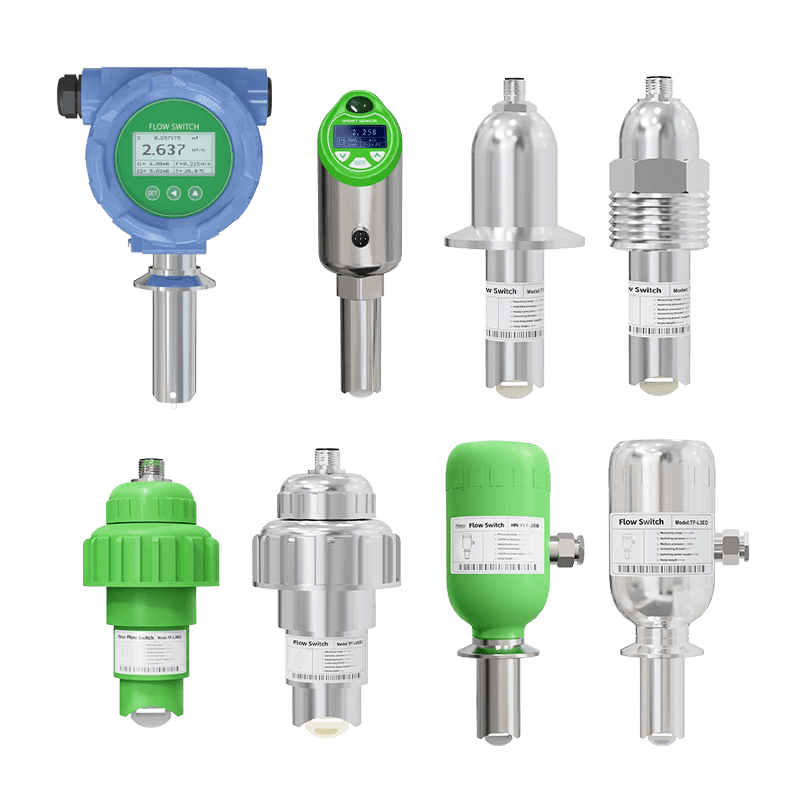
Most industrial users evaluate pressure transmitters merely based on nominal accuracy and price, failing to recognize that the sensor core material determines long-term stability, temperature adaptability and anti-fatigue performance. As an upgraded generation of sensing technology, monocrystalline silicon cores have become the preferred core for high-end industrial pressure transmitters, with comprehensive performance far exceeding traditional diffused silicon cores. Different from conventional doping-type sensing structures, monocrystalline silicon adopts an integral single-crystal structure with unified lattice arrangement, bringing fundamental advantages in zero drift, temperature resistance, linearity and pressure cycle fatigue resistance. This article elaborates on the essential strengths of monocrystalline silicon cores from material mechanism and field application perspectives, compares the performance gaps with traditional sensors, and explains why they excel in complex and harsh industrial working conditions. It provides professional selection guidance for high-stability pressure measurement scenarios.
1. Introduction
Pressure transmitter core chips are divided into two mainstream types in the industrial market: diffused silicon and monocrystalline silicon. Diffused silicon technology is mature and cost-effective, widely used in ordinary conventional working conditions. However, it suffers from inherent defects such as large temperature drift, obvious annual drift and poor dynamic response. In contrast, monocrystalline silicon cores break through the structural limitations of traditional piezoresistive sensors. With pure and complete crystal structure, no surface doping stress and ultra-low material fatigue characteristics, they solve many long-standing pain points of industrial pressure measurement, including seasonal data drift, frequent calibration and inaccurate dynamic fluctuation measurement. Understanding the essential advantages of monocrystalline silicon cores is the key to distinguishing high-quality industrial transmitters and avoiding low-performance configuration.
2. Inherent Material Advantages: Zero Structural Hysteresis and Ultra-Low Drift
The biggest advantage of monocrystalline silicon cores lies in their integral single-crystal structure. Traditional diffused silicon chips form strain resistors through surface ion doping, resulting in inconsistent stress conduction and residual structural hysteresis. After repeated pressure loading and unloading, residual stress accumulates continuously, causing irreversible zero drift. Monocrystalline silicon integrates the stress-sensitive unit inside the complete crystal lattice without external attachment or doping layers. The overall stress conduction is uniform and reversible, achieving nearly zero mechanical hysteresis. Its annual long-term drift is controlled within ±0.05% FS, far better than diffused silicon products, which require annual calibration. This feature greatly reduces on-site maintenance frequency and ensures long-term consistent measurement accuracy.
3. Outstanding Temperature Stability and Ultra-Low Thermal Drift
Temperature drift is the main cause of seasonal data deviation for field transmitters. Due to structural defects in doped layers, diffused silicon chips rely heavily on software compensation to correct temperature errors, with obvious residual drift under large temperature fluctuations. Monocrystalline silicon cores possess inherent low-temperature-drift characteristics. The unified crystal structure features balanced thermal expansion and contraction, resulting in extremely low temperature influence coefficient. Even in extreme environments with alternating high and low temperatures, the sensor can maintain stable resonant frequency and stress response without obvious data offset. It effectively adapts to northern low-temperature winters, high-temperature steam pipelines and outdoor variable temperature working conditions, solving the common industry problem of “different data in winter and summer”.
4. Excellent Dynamic Response and Anti-Fatigue Overload Performance
Monocrystalline silicon materials have ultra-high structural rigidity and natural resonant frequency exceeding 500 Hz, with a response time of less than 5 milliseconds. This enables the core to capture instantaneous pressure fluctuations and water hammer shocks, realizing high-precision dynamic measurement. In contrast, diffused silicon has slow response and poor follow-up performance, unable to track rapid pressure changes in real time. In terms of overload and fatigue resistance, the integral crystal structure avoids local stress concentration and structural fatigue damage. It can withstand tens of thousands of pressure cycles and frequent overpressure shocks without permanent deformation or zero drift, perfectly adapting to fluctuating working conditions such as hydrogen production, pipeline delivery and variable load reaction tanks.
5. Higher Linearity and Wider Range Adaptability
Benefiting from uniform stress conduction characteristics, monocrystalline silicon cores maintain excellent linearity throughout the full range. The mid-range measurement error is extremely small, avoiding the linear distortion problem common in diffused silicon sensors. Meanwhile, it supports an ultra-wide turndown ratio up to 200:1, covering both micro-pressure and high-pressure measurement scenarios. This strong range flexibility reduces model inventory and improves equipment versatility for multi-condition industrial projects.
6. Conclusion
The superiority of monocrystalline silicon cores is not reflected in superficial accuracy parameters, but in fundamental material and structural advantages including zero hysteresis, ultra-low time drift, excellent temperature stability, fast dynamic response and strong anti-fatigue capability. It completely makes up for the inherent defects of traditional diffused silicon sensors, achieving long-term stable and low-drift operation in harsh industrial environments. For high-precision process control, safety interlock loops and unattended long-cycle operation scenarios, monocrystalline silicon core transmitters are the most reliable configuration choice, effectively reducing maintenance costs and improving the overall stability of industrial pressure measurement systems.
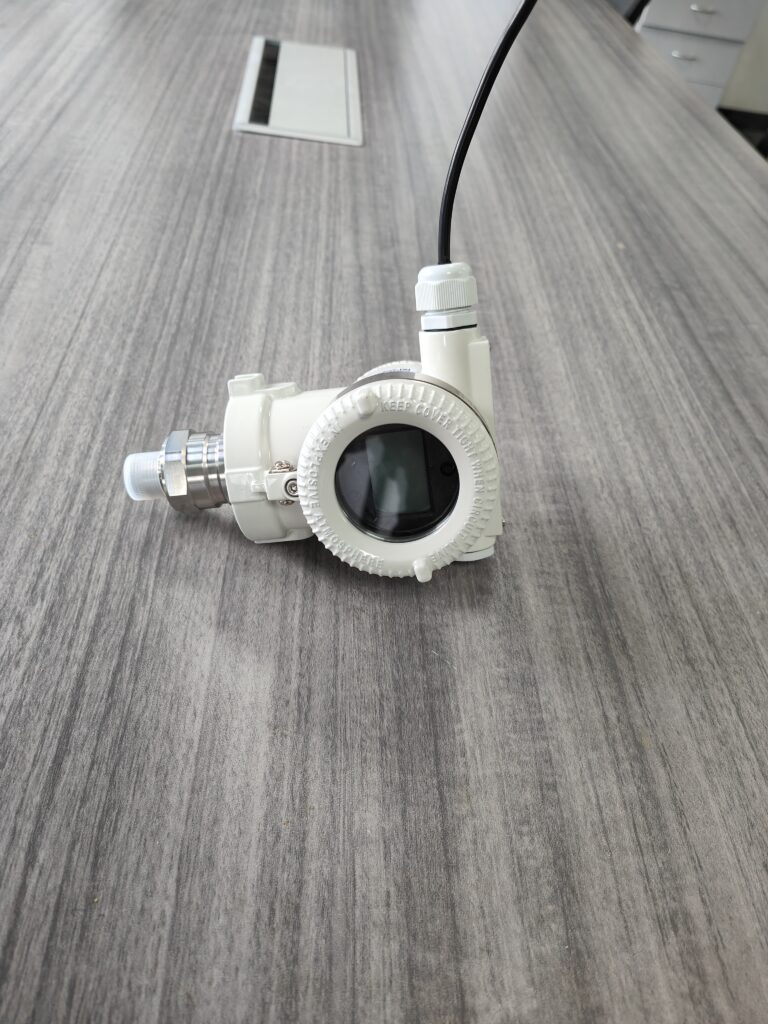
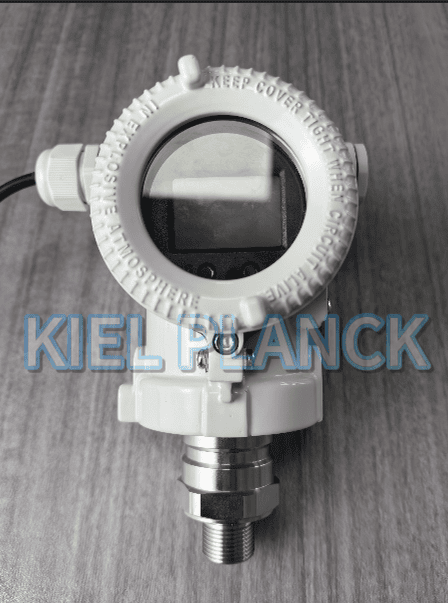
Scan the QR code to receive more detailed information.