Many users only focus on pressure range and accuracy while ignoring connection standard, size, and structural adaptability, resulting in delivered transmitters that cannot be installed, sealed, or matched with on-site pipelines. Such mistakes lead to equipment return, project delay, and additional construction costs. This article systematically differentiates the applicable scenarios of threaded, flanged, and clamp connections, summarizes typical on-site selection errors, and explains the matching principles for different mediums, pressures and installation environments. It provides practical guidelines to avoid interface mismatch and ensure one-time successful installation of pressure transmitters.
1. Introduction
Process connection interface is the only physical channel for pressure transmitters to collect pipeline and tank pressure signals. Thread, flange and sanitary clamp are the three most common installation forms in chemical, pharmaceutical, food, water treatment and petrochemical industries. Each connection type has fixed standards, pressure resistance limits and applicable medium scenarios. In actual project implementation, interface selection errors occur frequently. Common mistakes include using thread for high-pressure pipelines, applying ordinary flanges for sanitary requirements, and choosing clamps for heavy scaling media. Once mismatched transmitters arrive on site, they cannot be installed or sealed effectively, causing project schedule delays and unnecessary economic losses. Therefore, accurate connection selection is as critical as pressure range and material selection.
2. Applicable Scenarios and Limitations of Three Connection Types
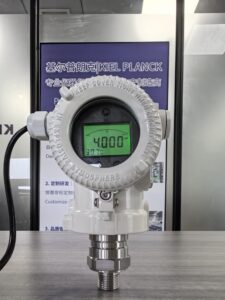
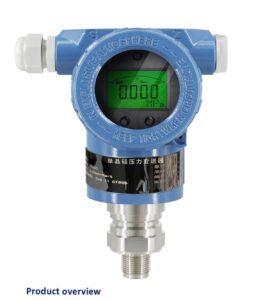
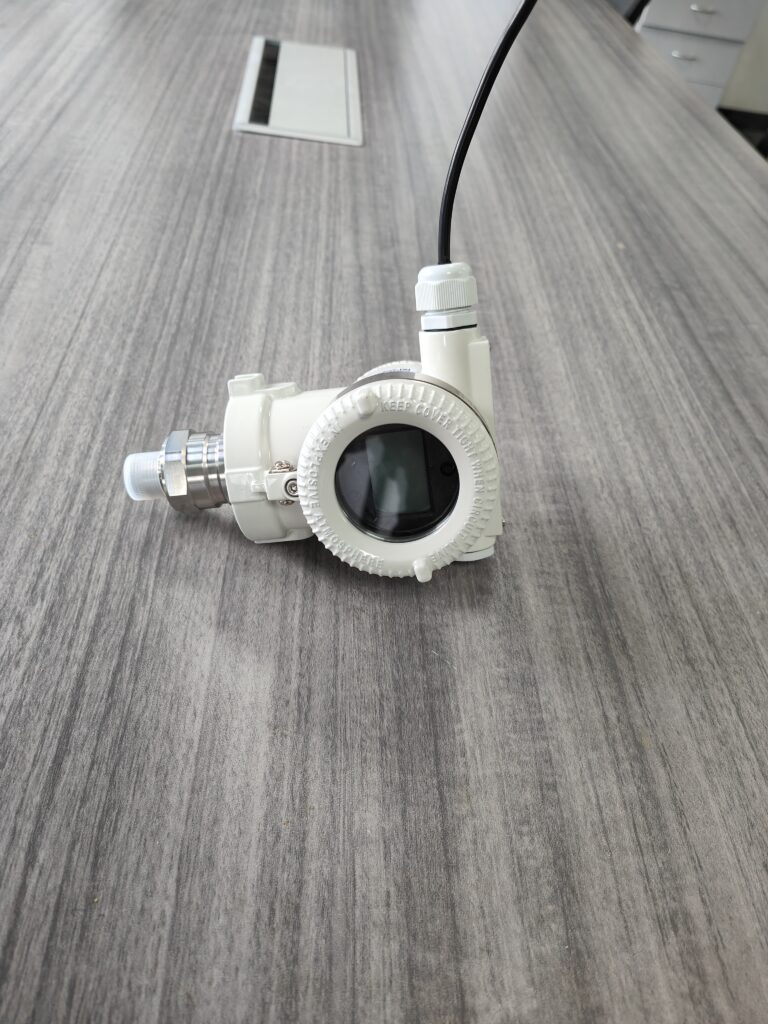
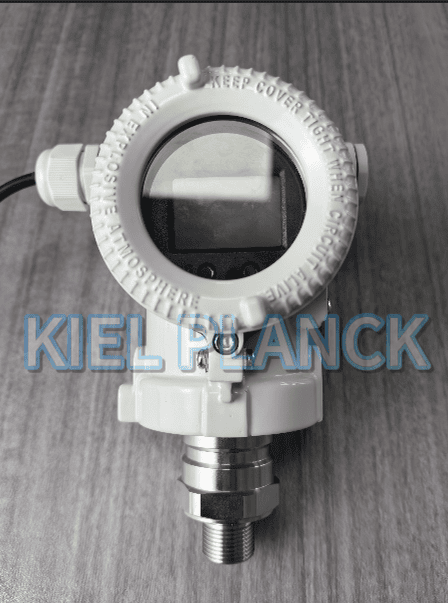
Threaded connection includes common specifications such as NPT, G and M20. It features simple structure, compact size and low cost, suitable for low-pressure, clean medium and conventional general measurement points. Threaded installation relies on thread fit and sealing tape or gaskets for pressure sealing. However, its fatal weakness is limited pressure resistance and poor anti-loosening performance. Under high pressure, strong vibration or frequent pressure impact, threaded interfaces are prone to loosening, leakage and thread slipping. In addition, threaded structures are easy to accumulate dirt and scale, making them unsuitable for high-viscosity, crystallization and easy-scaling media.
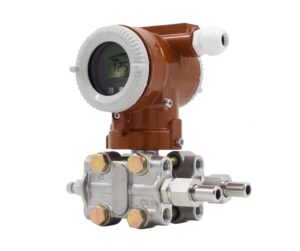
Flange connection is the most reliable industrial connection method, including national standard, American standard and European standard flanges. With bolt fastening and metal gasket sealing, it has high structural strength and excellent pressure resistance, adapting to high pressure, high temperature, strong vibration and hazardous flammable and explosive media. Flange connections are widely used in petrochemical and hydrogen energy high-risk working conditions. Nevertheless, flange installation requires accurate matching of pressure class, diameter and sealing surface type. Mixing different standards or mismatched pressure grades will lead to inability of bolt hole alignment and incomplete sealing, resulting in medium leakage. Flange interfaces are bulky and require reserved installation space, which is not applicable for compact pipeline layout.
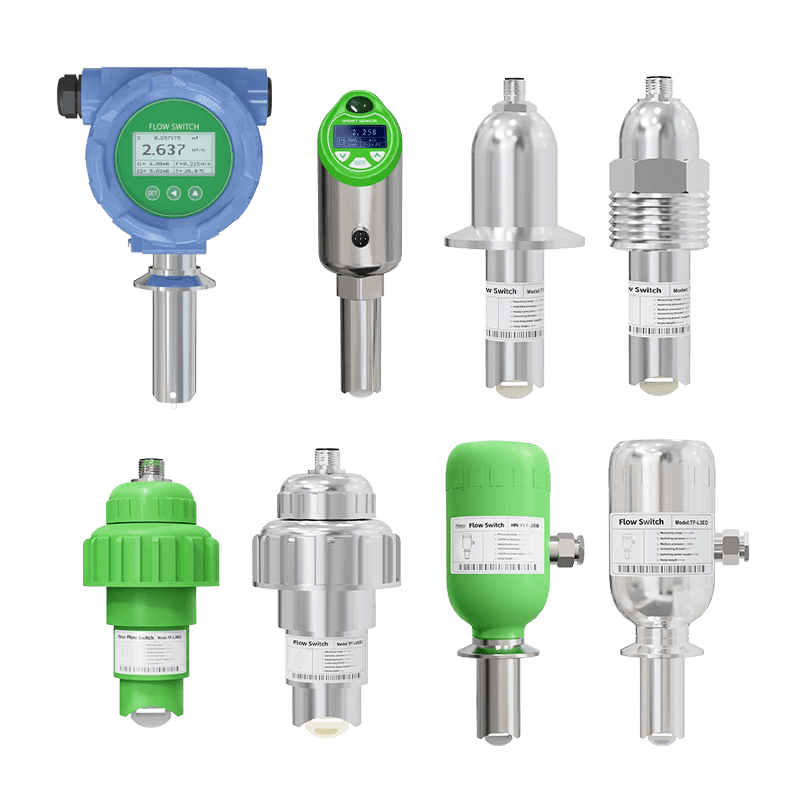
Sanitary clamp connection is specially designed for food, pharmaceutical and biopharmaceutical industries. It adopts quick-install clamp fastening and silicone gasket sealing, featuring no dead angle, easy disassembly and convenient cleaning. It meets GMP sanitary standards and avoids bacterial growth and medium residue. However, clamp structures have low pressure resistance and poor vibration resistance. They are only suitable for normal-pressure and low-pressure sanitary pipelines. It is a typical selection pitfall to use clamp connections for high-pressure process loops, which will cause gasket deformation and medium leakage under pressure load.
3. Typical On-Site Selection Errors and Consequences
The most frequent error is confusing interface standards of the same type. For example, mixing NPT and metric threads, or mismatching Class150 and Class300 flange pressure grades, leads to completely unmatched on-site hole positions and sealing surfaces. Secondly, ignoring working condition characteristics causes functional mismatch. Using thread for high-pressure vibrating pipelines results in hidden leakage dangers; using ordinary flanges for sanitary projects fails factory acceptance; using clamps for scaling media causes dead-angle accumulation and inaccurate measurement. Thirdly, neglecting installation space factors leads to inability of on-site construction. Flange transmitters cannot be installed in narrow pipe gaps, while compact threaded transmitters cannot meet safety sealing requirements for high-risk environments.
4. Standardized Selection Principles for Process Interfaces
For accurate connection selection, working pressure, medium characteristics, industry standards and installation space must be comprehensively considered. Low-pressure, clean and ordinary industrial monitoring points prioritize threaded connections for cost-effectiveness. High-pressure, high-temperature, vibrating and hazardous process loops must adopt standardized flange connections with matched pressure class and sealing surface. Sanitary and sterile production pipelines such as pharmaceutical and beverage industries must choose sanitary clamp interfaces to meet cleaning and GMP requirements. Before procurement, engineers must confirm on-site pipeline standard parameters to avoid cross-standard mismatch. Reasonable interface selection ensures sealing safety, measurement stability and convenient maintenance.
5. Conclusion
Thread, flange and clamp connections have clear applicable boundaries and inherent limitations. Wrong interface selection will cause transmitters to be uninstallable and unsealable on site, bringing project delays and maintenance risks. Thread suits conventional low-pressure working conditions, flange adapts to high-pressure and high-risk industrial scenarios, and clamp is dedicated to sanitary sterile pipelines. Engineering and procurement personnel should no longer ignore interface matching during instrument selection. Standardized connection type selection and parameter verification can effectively avoid common installation pitfalls, ensure one-time pass of field construction, and maintain long-term safe and stable operation of pressure measurement points.
Scan the QR code to receive more detailed information.