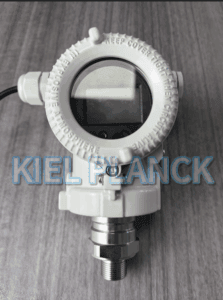
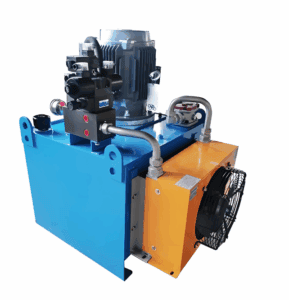
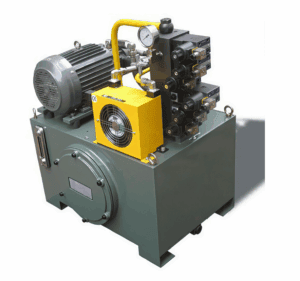
This article explores the root causes behind early transmitter damage at pump discharge ports, including continuous pressure pulsation, instantaneous water hammer spikes, severe mechanical vibration, high oil temperature and fluid contamination. It explains the damage mechanism acting on sensing diaphragms, internal electronic circuits and sealing components. Practical mitigation strategies are also provided, such as relocating tapping points, installing pressure snubbers and selecting vibration-resistant transmitters. Understanding these failure drivers helps engineers avoid repetitive replacement costs and improves the long-term reliability of hydraulic pressure monitoring systems.
Introduction
Pressure transmitters are widely deployed on hydraulic power units to provide real-time pressure feedback for closed-loop control and safety interlock protection. Maintenance records show that sensors mounted directly at or near pump outlets have far shorter service life than units installed after accumulators, valve banks or straight pipe sections. Even transmitters from well-known brands can fail within months when fitted at pump discharge ports. Common failure symptoms include zero drift, unstable jumping signals, diaphragm deformation, seal leakage and complete loss of output. Most technicians immediately suspect defective sensors. However, replacement alone cannot solve the fundamental problem, because the harsh working environment at pump outlets is the core culprit.
The primary hazard is continuous pressure pulsation plus transient pressure spikes. Hydraulic pumps generate periodic pressure fluctuations as internal pistons or vanes move. This cyclic loading repeatedly compresses and releases the transmitter sensing diaphragm. Over time, metal fatigue develops on the diaphragm, leading to permanent zero drift. Worse still, valve switching, sudden load changes or pump startup create pressure hammering. These millisecond-scale spikes can reach 1.5 to 2 times the normal working pressure. If the transmitter range is only sized for steady operating pressure, these repeated overload shocks gradually deform the sensing element. Unlike static overpressure, cyclic pulsation causes cumulative fatigue damage, which is hard to detect during routine calibration.
Second, intense mechanical vibration from pumps attacks the transmitter assembly. The pump motor creates persistent vibration transmitted through pipework to the sensor. Vibration loosens internal wiring bonds, damages circuit solder joints and accelerates aging of elastomer seals. Under long-term vibration, microcracks form on the diaphragm and thread connections. In severe cases, signal cables become disconnected intermittently, causing erratic readings. Although datasheets list vibration resistance parameters, continuous vibration at pump outlets often exceeds the sensor’s long-term endurance limit.
Third, high medium temperature and fluid contamination accelerate component degradation. The pump outlet is where hydraulic oil absorbs the largest amount of heat. Elevated oil temperature raises sensor internal temperature, worsening thermal drift and softening O-ring seals. Fine metal particles generated by pump wear circulate in the oil stream. These solid impurities strike the diaphragm surface continuously. Particle erosion scratches the wetted surface and may block small damping holes, further distorting measurement performance.
Several practical countermeasures can extend service life. The preferred solution is to move the pressure tapping point downstream, after an accumulator or a long straight pipe section where pulsation is attenuated. If tapping at the pump outlet cannot be avoided, fit a pressure snubber to absorb sharp pressure spikes. Engineers should also select transmitters with enhanced fatigue-resistant diaphragms and high vibration ratings, and reserve sufficient pressure overload margin during range selection. Reinforced cable fixation can reduce vibration stress on electrical connections.
Many plant operators resist relocation because installing extra pipework adds one-time cost. However, frequent sensor replacements, unexpected shutdowns and troubleshooting labour create much higher total expenses. Moving the tapping point or adding a snubber is a low-cost investment to reduce long-term maintenance burden.
Conclusion
Pressure transmitters positioned near hydraulic pump outlets fail prematurely due to a combination of cyclic pressure pulsation, pressure hammer spikes, strong mechanical vibration, elevated oil temperature and fluid particle contamination. These factors cause cumulative fatigue damage to sensing diaphragms, seals and electronic circuits. Simply replacing damaged transmitters will not resolve the root cause. Engineers should prioritize relocating pressure tapping points away from pump discharge ports whenever possible. Where pump outlet installation is mandatory, pressure snubbers, properly sized transmitter ranges and high anti-vibration sensor models are essential. By addressing these harsh operating conditions, companies can eliminate recurring early transmitter failures, cut maintenance expenditure and maintain stable pressure monitoring for hydraulic station control systems.
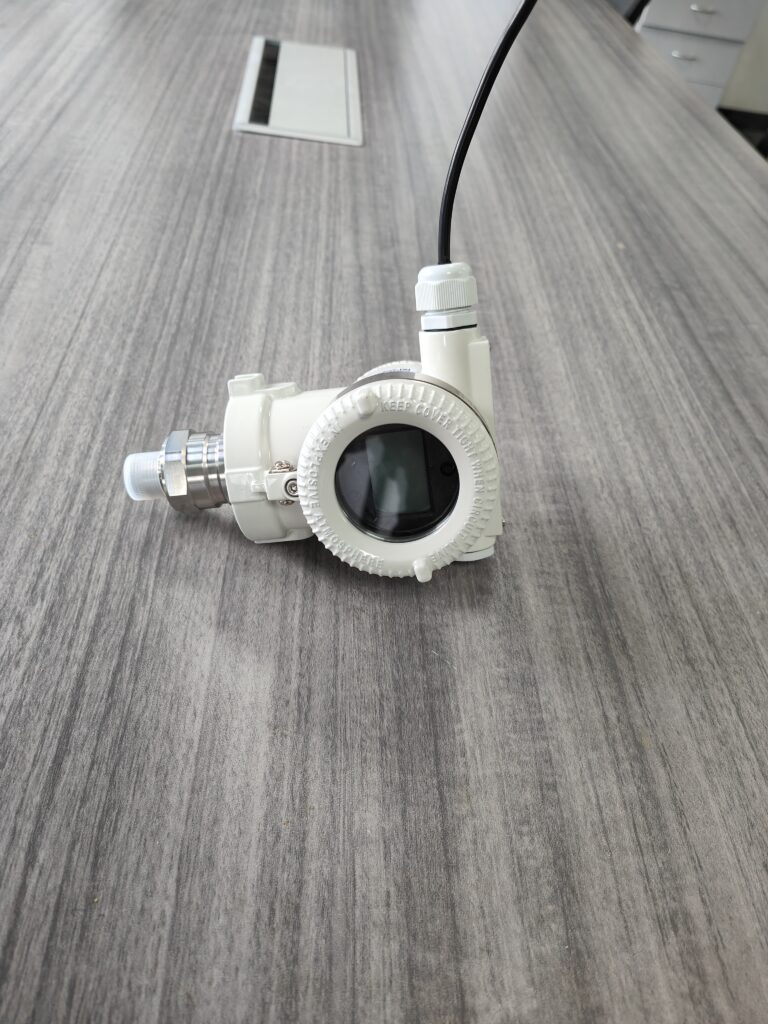
Scan the QR code to receive more detailed information.