This article distinguishes the chemical characteristics of hydraulic oil, water-glycol and emulsion, explains their impacts on wetted components, and provides matched material recommendations for each medium. It also shares field verification tips and common pitfalls. Correct media classification and material matching can eliminate compatibility-related faults, extend transmitter service life and ensure stable pressure feedback for hydraulic control systems.
Introduction
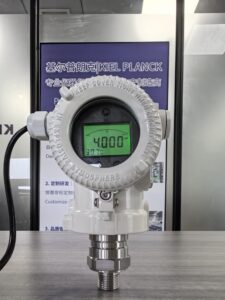
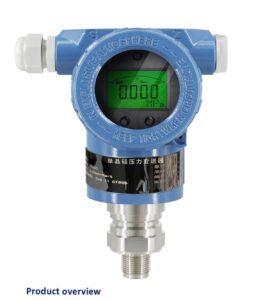
Pressure transmitters for hydraulic stations have wetted parts including the pressure port, sensing diaphragm and O-ring seals. Every material exposed to the hydraulic fluid must resist chemical attack, swelling and aging. In fire-resistant hydraulic systems, mineral hydraulic oil, water-glycol and water-oil emulsion are the three mainstream working media. They are all used for power transmission, but their chemical properties differ greatly. A seal suitable for mineral oil may degrade rapidly when exposed to water-based fluids.
The most frequent mistake is assuming that a transmitter working well on mineral hydraulic oil can be directly reused for water-glycol or emulsion. Even if pressure range, vibration rating and overload margin meet requirements, chemical incompatibility will gradually destroy seals and corrode metal surfaces. Maintenance teams often misdiagnose these failures as sensor quality defects. To solve this problem, engineers need to identify the medium first, then select corresponding wetted materials.
Mineral hydraulic oil is petroleum-based, the most common medium for standard hydraulic stations. It has weak corrosivity to stainless steel, but will swell general rubber materials. For mineral oil, 316L or 17-4PH stainless steel diaphragms are reliable. FKM (Viton) or NBR nitrile rubber O-rings are the preferred seal options. EPDM rubber must be avoided here, because it will swell and soften in mineral oil, causing leakage. Mineral oil systems have relatively loose compatibility requirements, so standard hydraulic transmitters usually work properly, provided the seal elastomer is correctly specified.
Water-glycol fluid is a fire-resistant water-based hydraulic medium, widely adopted in steel mills and foundries where fire risks exist. It contains high proportions of water and glycol. Unlike mineral oil, water-glycol attacks nitrile rubber. NBR seals will harden, crack and lose elasticity after long contact. EPDM is the recommended elastomer for water-glycol service. Although 316L stainless steel diaphragms are still acceptable, brass ports must never be used, as water-glycol causes brass corrosion and metal ion contamination. Users also need to consider pH value and operating temperature, which accelerate corrosion under high heat.
Oil-in-water emulsion is another fire-resistant hydraulic fluid, commonly seen in mining hydraulic supports. It is formed by mixing oil concentrate with plenty of water. Emulsion has weak oil and strong aqueous characteristics. It combines the corrosion risks of water and mild chemical erosion from additives. NBR is not suitable for long-term use. EPDM seals are the primary choice. The medium contains fine oil droplets and solid impurities, which can erode diaphragm surfaces. Therefore, the wetted surface should be smooth and wear-resistant. Another hidden risk is bacterial growth inside emulsion, which changes fluid pH and accelerates seal aging over time.
There are key practical rules to follow. First, confirm the medium type before ordering, do not rely only on pressure parameters. Second, check all wetted components, not only the diaphragm; O-ring failure accounts for most compatibility faults. Third, avoid cross-use of transmitters between oil-based and water-based hydraulic systems. If the medium is changed during system renovation, the transmitters and seals must be replaced together.
Many users underestimate chemical aging. Compatibility issues often do not appear immediately after commissioning. Slow degradation takes weeks or months, showing symptoms such as zero drift, oil leakage and unstable readings. Once these signs emerge, the seal has already suffered irreversible damage.
Conclusion
For hydraulic station pressure transmitters, media compatibility must be judged separately for hydraulic oil, water-glycol and emulsion. Mineral hydraulic oil uses FKM or NBR seals paired with stainless steel diaphragms, while water-glycol and emulsion are water-based fire-resistant fluids requiring EPDM elastomers and non-brass wetted metal parts. Using the same transmitter model across these three media types will cause seal degradation and corrosion. Engineers must clearly define the hydraulic fluid type during instrument specification, verify all wetted materials including O-rings, and avoid cross application between oil and water-based media. Proper material matching eliminates compatibility-induced premature failure, reduces maintenance frequency and guarantees stable pressure measurement for hydraulic power units.
Scan the QR code to receive more detailed information.