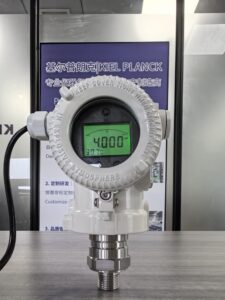
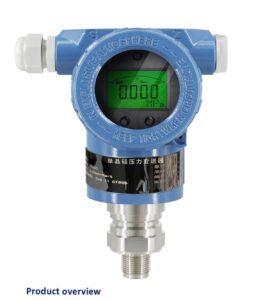
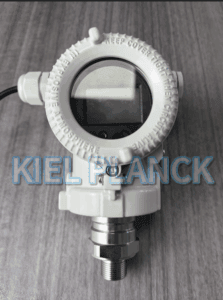
Many engineers mistakenly believe explosion-proof transmitters are needed for all hydraulic systems, while others ignore explosion risks and use ordinary transmitters in hazardous zones, creating severe safety hazards. This article introduces the two mainstream explosion protection types: flameproof (Ex d) and intrinsically safe (Ex i), explains their working principles and applicable hydraulic scenarios, and defines which environments mandate explosion-proof instruments. It covers key selection criteria including hazardous zone classification, gas group, temperature class and certification. Proper selection eliminates ignition risks caused by electrical sparks or hot surfaces, ensures compliance with safety regulations, and maintains reliable pressure monitoring for hydraulic systems in chemical, oil and gas, and mining applications.
Introduction
Pressure transmitters on hydraulic stations convert pressure signals into 4–20mA outputs for PLC control and safety interlock. In ordinary non-hazardous workshops, standard transmitters are sufficient. However, when hydraulic stations handle flammable media or are installed in areas with flammable vapors, electrical sparks from transmitter circuits or high surface temperatures can ignite explosive gas mixtures. Explosion-proof transmitters adopt special structural or circuit designs to avoid ignition sources.
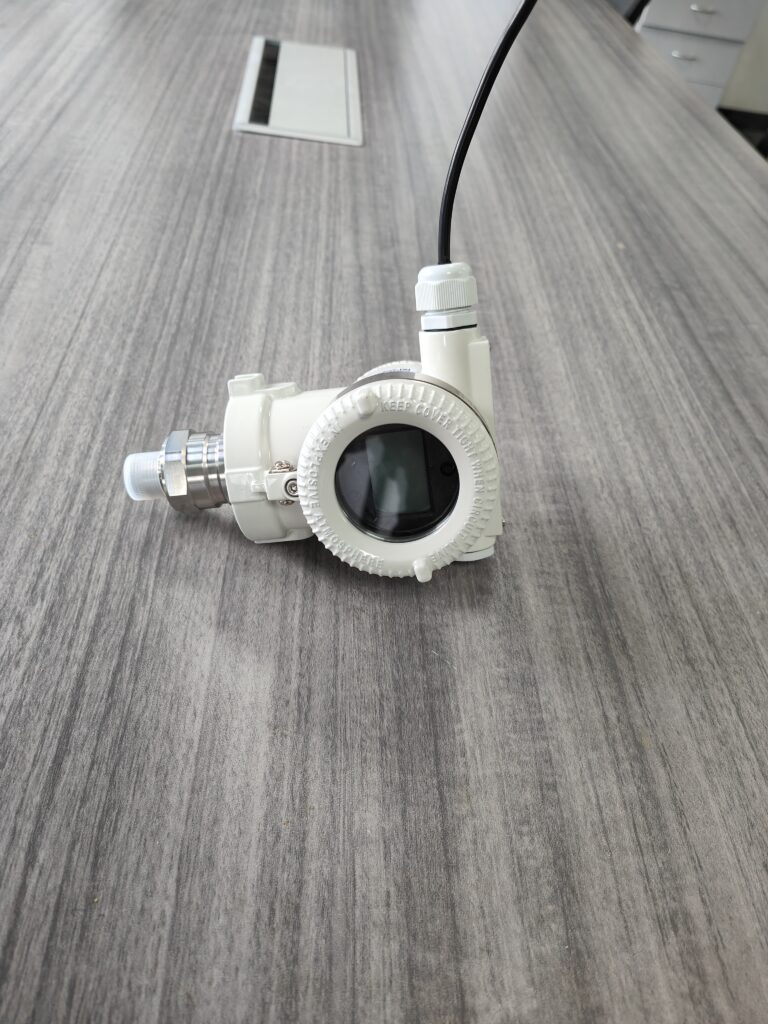
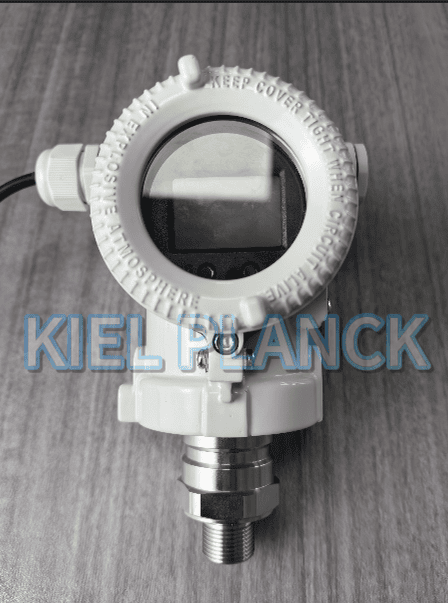
The two most common explosion protection designs for hydraulic pressure transmitters are flameproof Ex d and intrinsically safe Ex i. Flameproof transmitters use a thick, robust metal enclosure. If an internal explosion occurs, the flame is contained inside the housing and cooled through flame gaps, preventing ignition of surrounding explosive gas. Ex d transmitters can be used in Zone 1 and Zone 2 hazardous areas, but not Zone 0. Intrinsically safe Ex i transmitters limit the circuit energy to a level too low to create sparks or hot surfaces capable of igniting flammable mixtures, even under fault conditions. Ex ia can be deployed in Zone 0, Zone 1 and Zone 2, which makes it popular for low-power 4–20mA instrument loops. Unlike Ex d, intrinsically safe systems require matched safety barriers in the control cabinet.
It is critical to clarify which hydraulic station applications must adopt explosion-proof transmitters. The first mandatory scenario: hydraulic stations using flammable mineral oil installed inside chemical plants, refineries, paint workshops or solvent processing zones. Oil leakage generates oil vapor; once vapor concentration reaches the lower explosive limit, any electrical spark can trigger an explosion. Second, hydraulic systems in underground mining or coal preparation plants, where flammable methane gas may accumulate. Third, hydraulic stations near hydrogen, alcohol or gasoline storage tanks. Fourth, hydraulic equipment on offshore platforms or oil delivery skids where flammable gas leakage is a normal risk.
By contrast, explosion-proof models are not required for hydraulic stations placed in ordinary machine shops with non-flammable water-glycol hydraulic fluid and no flammable vapor sources. Many buyers over-specify explosion-proof transmitters for regular factory workshops, raising procurement and installation costs unnecessarily.
When selecting explosion-proof transmitters, engineers need to check four core parameters. First, confirm the hazardous zone classification. Zone 0 only permits intrinsically safe Ex ia products. Zone 1 can use Ex d or Ex ia. Zone 2 accepts Ex d, Ex i or increased safety types. Second, verify gas group. IIB covers most oil vapors, while IIC is required for hydrogen and acetylene. Third, check temperature class T rating. T6 means the maximum surface temperature does not exceed 85°C, which is widely recommended for hydraulic vapor environments. Fourth, validate certification such as IECEx, ATEX or local explosion-proof certificates, ensuring the certificate covers the transmitter model.
Additional field considerations apply. Explosion-proof transmitters still need to meet hydraulic working requirements: anti-vibration, overload resistance and media compatibility with hydraulic oil. Explosion certification does not protect against pressure pulsation or oil corrosion. Users also need to follow strict wiring standards. For intrinsically safe loops, separate cable routing and safety barriers are compulsory. Improper wiring will invalidate explosion-proof certification. Many safety accidents come not from wrong transmitter selection, but from non-compliant installation.
A common misunderstanding: explosion-proof transmitters are spark-proof everywhere. Ex d transmitters may generate sparks inside the housing; the protection only stops flame spreading outward. They cannot be opened when power is on. Maintenance staff must cut off power before opening the transmitter cover.
Conclusion
Explosion-proof pressure transmitters for hydraulic stations have two primary technical routes: flameproof Ex d and intrinsically safe Ex i. Explosion-proof versions are mandatory when hydraulic stations are located in hazardous zones with flammable oil vapor, combustible gas or mining methane. Ordinary non-explosion transmitters are acceptable for common workshops without explosive atmospheres. Selection should start with hazardous area zoning, followed by gas group, temperature class and valid explosion-proof certification. It is essential to combine explosion safety requirements with hydraulic performance including vibration resistance, overload capacity and wetted material compatibility. Even with correctly specified transmitters, standardized wiring and maintenance procedures must be followed to retain explosion protection integrity. Proper selection protects personnel and assets, meets regulatory requirements, and delivers stable pressure feedback for hydraulic control and safety interlock systems.
Scan the QR code to receive more detailed information.