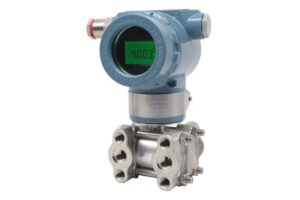
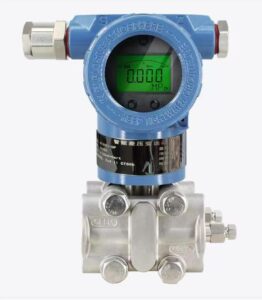
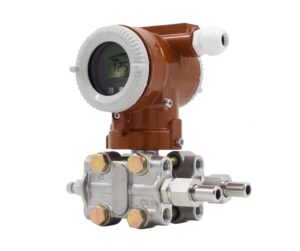
Many procurement engineers question whether the extra cost for a digital readout is justified, assuming PLC remote monitoring already provides all necessary pressure data. However, the built-in display delivers unique on-site benefits during commissioning, troubleshooting, calibration and routine inspection, which cannot be fully replaced by remote HMI screens. This article explains the practical functions of the integrated digital display on hydraulic electronic pressure controllers, compares the workflow difference between screen-equipped and screenless models, analyzes the incremental cost and long-term value, and outlines scenarios where paying the price premium makes sense, as well as cases where a basic model is sufficient. Proper evaluation helps avoid both unnecessary overspending and insufficient instrument configuration for hydraulic station maintenance and fault diagnosis.
Introduction
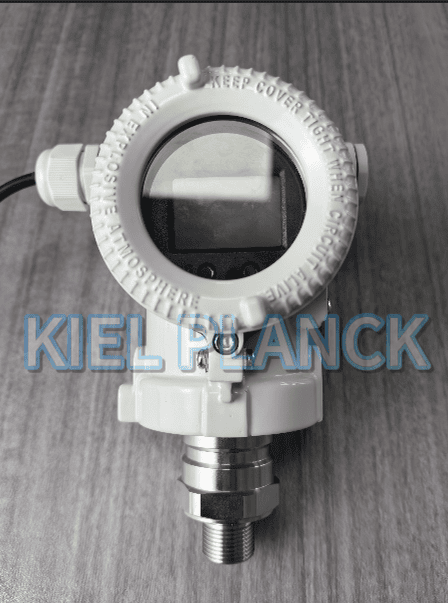
Hydraulic electronic pressure controllers combine pressure sensing, programmable switch outputs and optional digital readouts. Screenless units only transmit pressure signals and switching status to the control cabinet. Operators must rely on HMIs or portable calibration tools to check real-time pressure values. Controllers with local digital displays directly show live pressure readings at the manifold mounting point. The price gap between these two versions often becomes a debate point in project budgeting. Some buyers treat the display merely as a convenience feature and refuse to pay extra, while others automatically select the display version for every hydraulic skid without cost assessment.
The built-in digital display offers four core practical functions in hydraulic field work.
First, fast verification during commissioning and zero calibration. When installing or replacing the pressure controller, technicians need to perform zero adjustment and setpoint testing. For screenless controllers, workers must communicate back and forth with colleagues watching the HMI in the control room. This back-and-forth slows commissioning and increases the risk of miscommunication. With a local display, the technician standing directly at the manifold can read live pressure instantly while bleeding air, tightening fittings or adjusting parameters. Zero trimming and switch-point testing can be completed by one person on site, greatly shortening setup time for hydraulic equipment.
Second, on-site troubleshooting for intermittent pressure faults. Hydraulic failures such as pressure pulsation, spikes and drift often only appear under local operating conditions. When signal anomalies occur, maintenance staff can directly observe pressure fluctuations on the controller screen without connecting handheld measuring instruments. For example, chattering caused by inadequate hysteresis, pressure hammer spikes or slow zero drift can be identified at the sensor location. This local visibility isolates problems quickly: technicians can judge whether the fault comes from the controller itself, hydraulic pulsation or wiring interference, instead of guessing from remote HMI data which may have signal lag or filtering.
Third, direct local parameter configuration. Most digital-display pressure controllers support menu navigation and parameter adjustment through physical buttons beside the screen. Users can view and modify switch points, hysteresis and delay settings directly on the device. Screenless models usually require software configuration via communication interfaces or handheld programmers. This adds extra tools and steps when adjusting setpoints for product batch changes or process optimization. For hydraulic stations requiring frequent pressure setting modifications, the local menu function saves substantial maintenance time.
Fourth, quick on-site inspection without opening control cabinets. During daily equipment patrols, operators can glance at the display to check static and working pressure. This provides redundant pressure monitoring independent of the main control system. If the HMI or communication cable fails, the local display still shows real hydraulic pressure, supporting safe manual shutdown when abnormal pressure arises. This redundancy is valuable for safety-critical hydraulic machines.
Despite these advantages, the digital display is not always worth the price difference. For unmanned skids placed inside sealed cabinets, equipment with rare manual intervention, or simple low-duty hydraulic systems with fixed pressure setpoints, screenless controllers are economical choices. In these cases, all monitoring and configuration are completed remotely, and the local display will rarely be used. The extra cost brings little practical return.
Another hidden consideration: environmental durability. Display windows and electronic driving circuits are additional components exposed to vibration, oil mist and temperature changes. High vibration near pump outlets may shorten the service life of the display segment. Therefore, even if a display is needed, users must confirm the controller has anti-vibration design suitable for hydraulic manifold installation.
Conclusion
The digital display of hydraulic electronic pressure controllers enables on-site pressure reading, local calibration, direct parameter setup and convenient troubleshooting. It reduces manpower and time costs during commissioning and maintenance, and provides redundant pressure indication separate from the main control system. However, the price premium is only worthwhile when technicians regularly perform on-site inspection, calibration or parameter adjustment. For unattended hydraulic skids with fixed setpoints and full remote monitoring, screenless versions deliver sufficient performance at lower cost. Engineers should evaluate the frequency of on-site operation and maintenance workload instead of uniformly selecting or rejecting digital displays. Reasonable selection balances upfront procurement cost and long-term operational efficiency, ensuring reliable pressure interlock and convenient fault diagnosis for hydraulic power units.
Scan the QR code to receive more detailed information.