1. Confirm the Pressure Measurement Range
The measurement range is one of the most important factors when selecting a pressure transmitter.
First, determine the normal operating pressure and the maximum possible pressure in your system. Ideally, normal operating pressure should fall within the transmitter’s calibrated range, allowing sufficient margin for pressure fluctuations.
Avoid choosing a range that is unnecessarily large, as this may reduce measurement resolution for your application.
Tip: Confirm the normal, maximum, and potential surge pressures before selecting the range.
2. Choose the Correct Pressure Type
Different applications require different pressure measurement methods.
Gauge Pressure: Measures pressure relative to atmospheric pressure. Commonly used in water supply systems, air compressors, and industrial pipelines.
Absolute Pressure: Measures pressure relative to a perfect vacuum. Suitable for vacuum systems and certain process applications.
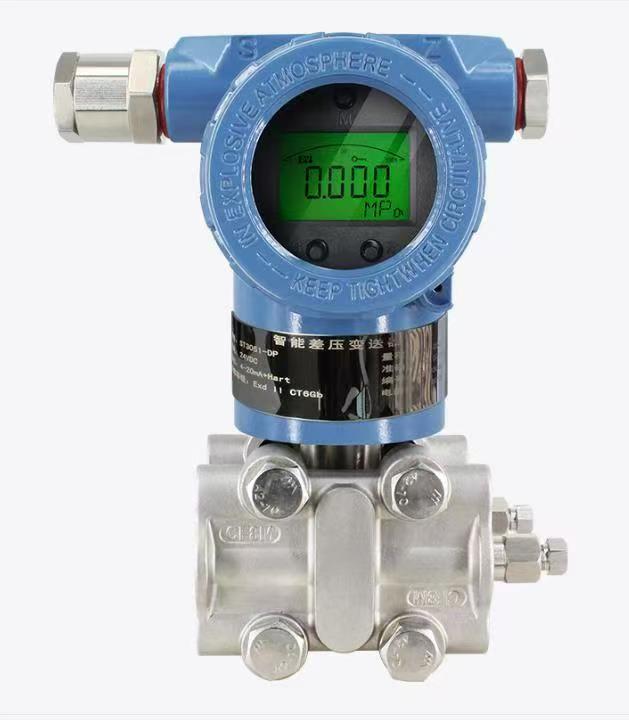
Differential Pressure: Measures the pressure difference between two points. Used for filter monitoring, flow measurement, and tank level measurement.
Select the pressure type according to your process requirements.
3. Check the Process Medium and Operating Conditions
The measured medium and operating environment directly affect material selection and transmitter performance.
Consider the following factors:
Medium: Water, oil, air, gas, steam, or corrosive liquids.
Temperature: Check both process temperature and ambient temperature.
Pressure overload: Confirm the transmitter’s allowable overload pressure.
Wetted materials: Ensure that materials in contact with the medium are compatible with the process fluid.
Environment: Consider humidity, vibration, dust, and potential exposure to corrosive substances.
For high-temperature or corrosive applications, confirm whether a suitable diaphragm seal or compatible wetted-material option is required.
4. Confirm the Output Signal and Electrical Connection
The output signal must be compatible with your control system, PLC, data acquisition equipment, or display instrument.
Common output options include:
4–20 mA: Widely used in industrial control systems.
0–10 V: Suitable for compatible voltage-input systems.
Digital communication: Available on selected models for applications requiring digital data exchange.
You should also confirm the supply voltage, cable entry, connector type, and electrical protection requirements.
Do not assume that every model supports every output option. Check the manufacturer’s datasheet before ordering.
5. Check the Installation and Process Connection
Before purchasing, verify that the transmitter can be installed correctly in your equipment or pipeline.
Important details include:
Process connection type and size
Thread standard, such as NPT or G thread
Electrical connector or cable outlet
Mounting space and orientation
Required ingress protection rating
Hazardous-area certification, if applicable
Correctly matching the process connection and electrical interface can help prevent installation delays and additional costs.
Silicon Pressure Transmitter Selection Parameter Table
| Parameter | What to Confirm | Common Options |
|---|---|---|
| Pressure range | Normal and maximum pressure | Application-dependent |
| Pressure type | Measurement reference | Gauge, absolute, differential |
| Measured medium | Fluid compatibility | Water, oil, air, gas, etc. |
| Process temperature | Actual operating temperature | Select according to datasheet |
| Output signal | Control system compatibility | 4–20 mA, 0–10 V, digital options |
| Power supply | Available system voltage | Model-dependent |
| Process connection | Equipment interface | NPT, G thread, flange, etc. |
| Wetted material | Chemical compatibility | Stainless steel or other available materials |
| Protection rating | Environmental requirements | IP rating according to model |
| Certification | Industry and site requirements | Available certifications vary by model |
Quick Selection Formula: 5 Steps to Remember
Range → Pressure Type → Medium → Output → Connection
Before placing an order, confirm these five items with your supplier. Then verify temperature limits, overload capacity, accuracy, wetted materials, and required certifications in the product datasheet.
Conclusion
Selecting the right silicon pressure transmitter starts with understanding your process conditions and control system requirements. By checking the pressure range, measurement type, medium, output signal, and connection, you can narrow down suitable models more efficiently.
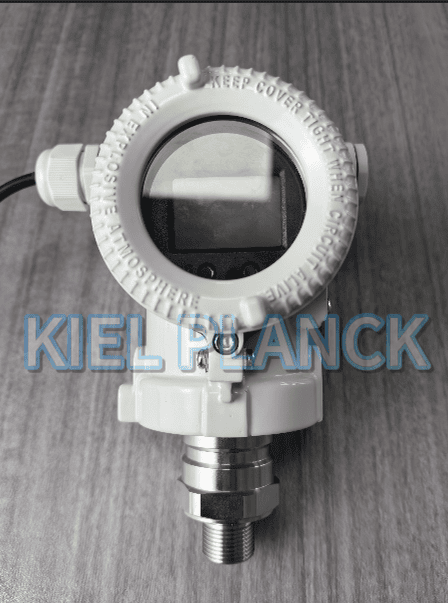
Looking for a silicon pressure transmitter for your application? Contact our team with your operating pressure, measured medium, temperature, output signal, and connection requirements. We can help you identify a suitable model for your project.
Scan the QR code to receive more detailed information.