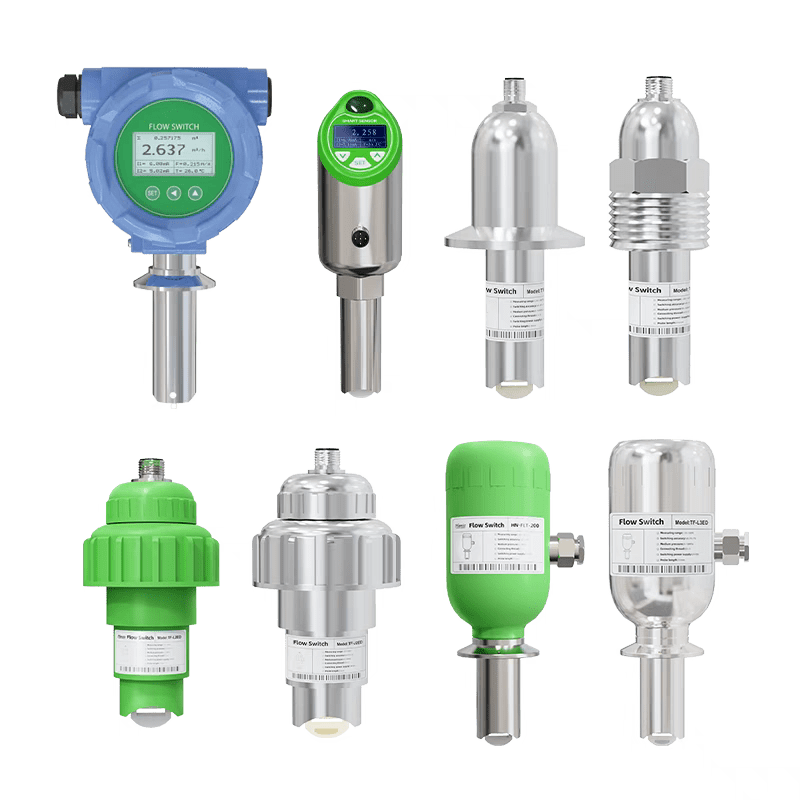
Choosing an industrial flowmeter is not only about comparing prices. Measurement accuracy, response performance, product compatibility, and after-sales support all influence long-term operating costs.
For overseas buyers, selecting a reliable supplier is especially important because technical communication, spare parts, and maintenance support may involve different countries and time zones.
This guide explains how to evaluate flowmeter suppliers and select a suitable solution for your application.
1. Check the Measurement Technology
Different flowmeters use different measurement principles and are suitable for different process conditions.
Common types include:
Electromagnetic flowmeters: Commonly used for electrically conductive liquids.
Turbine flowmeters: Used for suitable fluids where flow conditions and fluid properties meet the instrument requirements.
Vortex flowmeters: Commonly used for steam, gas, and suitable liquid applications.
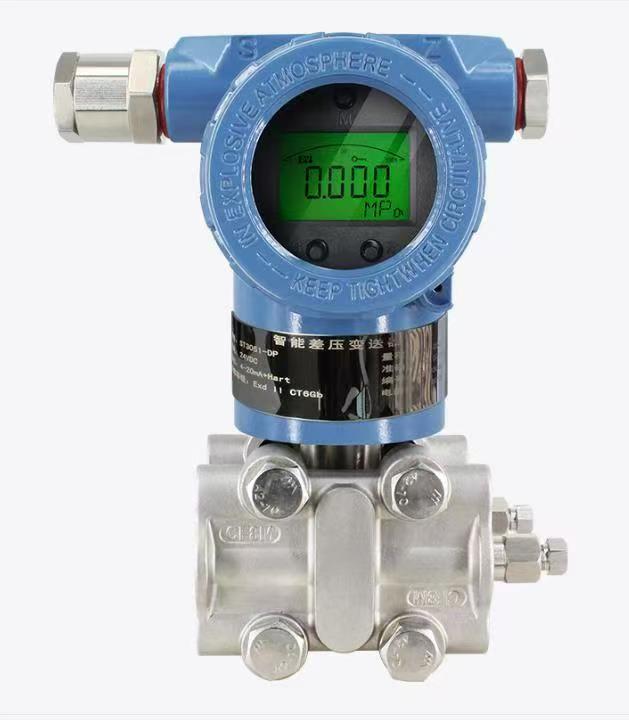
Differential pressure flowmeters: Calculate flow using a differential pressure measurement and an appropriate flow element.
Ultrasonic flowmeters: Available in different designs for suitable liquid and gas applications.
Before selecting a product, identify the medium, flow range, temperature, pressure, and required measurement performance.
The supplier should explain why the proposed measurement principle is appropriate for your application.
2. Evaluate Measurement Accuracy
Accuracy is an important factor, but the stated value must be evaluated in context.
Check whether the specification is expressed as a percentage of reading, a percentage of full scale, or another defined basis.
Also consider the effects of installation, flow profile, fluid properties, and operating conditions.
Ask the supplier for a technical datasheet that identifies the measurement range, accuracy specification, operating limits, and relevant test conditions.
Do not compare two flowmeters using accuracy figures that are defined differently.
3. Consider Response Performance
Some applications require fast detection of changing flow rates, while others prioritize stable measurement over long periods.
Response performance depends on the measurement technology, signal processing, configuration, and operating conditions.
Ask the supplier to clarify the response-time specification and whether additional filtering affects the output.
For applications with rapidly changing flow, evaluate the complete measurement system rather than relying on a single headline specification.
4. Review Product Quality and Documentation
A reliable supplier should provide clear product documentation.
Before purchasing, check the following:
Technical datasheets and installation manuals
Material specifications
Calibration information, where applicable
Electrical connection details
Relevant certifications and test reports
Warranty terms and product traceability
Certifications should be verified for the exact model and intended application. Do not assume that every product from a supplier has the same approvals.
5. Evaluate After-Sales Service
After-sales support can significantly affect the cost of operating industrial equipment.
A dependable supplier should be able to explain its technical support process, warranty coverage, troubleshooting procedure, and availability of replacement parts.
For international customers, useful service capabilities include:
Clear communication in English
Remote technical assistance
Installation and commissioning guidance
Spare-parts support
Defined warranty and repair procedures
Ask about expected response times and service arrangements before placing an order.
6. Compare Total Cost of Ownership
The lowest purchase price does not always mean the lowest long-term cost.
Consider the purchase price, installation expenses, maintenance requirements, calibration needs, spare parts, and potential downtime.
A suitable flowmeter with clear documentation and dependable technical support may offer better value over its service life.
Request quotations from qualified suppliers and compare equivalent technical configurations.
Frequently Asked Questions
Q1: How can I identify a reliable flowmeter supplier?
Review its technical documentation, product quality controls, relevant certifications, industry experience, and after-sales service arrangements.
Q2: Is a higher-accuracy flowmeter always the best choice?
Not necessarily. The instrument should meet the application’s accuracy requirements without introducing unnecessary costs.
Q3: What information should I provide when requesting a quotation?
Provide the medium, flow range, operating temperature, pressure, pipe size, installation conditions, output requirements, and required certifications.
Conclusion
Selecting a reliable industrial flowmeter supplier requires evaluating measurement technology, accuracy, response performance, documentation, and after-sales support.
By comparing equivalent specifications and considering long-term operating costs, overseas buyers can make more informed purchasing decisions.
Looking for an industrial flowmeter solution? Contact our team with your application details to discuss suitable products, technical specifications, and service requirements.
Scan the QR code to receive more detailed information.