China’s industrial equipment sector continues to focus on technological improvement, manufacturing quality, and the development of high-end instruments.
The 15th Five-Year Plan period, covering 2026–2030, provides a broader policy context for industrial modernization and stronger manufacturing capabilities.
For international buyers, however, policy direction alone is not enough to determine whether a flowmeter is suitable. Product specifications, verification data, manufacturing quality, and supplier service remain essential.
This guide explains how to evaluate flowmeters from Chinese manufacturers in 2026.
1. Identify the Right Flowmeter Type
The first step is to match the measurement principle to the application.
Different technologies have different operating requirements.
Electromagnetic flowmeters are widely used for electrically conductive liquids, including many water and wastewater applications.
Turbine flowmeters can be suitable for clean fluids when viscosity, flow range, and operating conditions meet the manufacturer’s requirements.
Vortex flowmeters are commonly used for steam, gas, and suitable liquid applications.
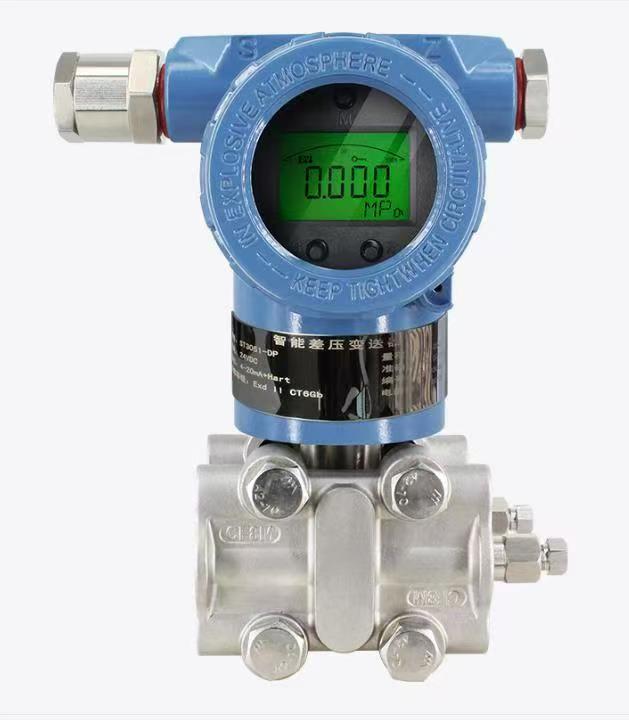
Differential pressure flowmeters can measure flow using a differential pressure device and the relevant calculation method.
The best choice depends on the medium, pipe size, flow range, temperature, pressure, and installation conditions.
2. Compare Technical Specifications
When comparing products from different manufacturers, review the same technical parameters.
Important items include:
Measuring range and turndown capability
Accuracy specification and its measurement basis
Repeatability and long-term stability
Operating temperature and pressure
Wetted materials and corrosion compatibility
Pressure loss, where applicable
Output signal and communication options
Environmental protection rating
Do not select a product based only on a headline accuracy value.
Request the technical datasheet and confirm that all important parameters meet the actual application requirements.
3. Verify Product Quality
A professional supplier should be able to explain its quality-control process.
Depending on the product, useful documentation may include material records, calibration reports, functional test results, inspection records, and product traceability information.
For critical applications, clarify which tests are performed on each unit and which tests are performed on a sample basis.
Where certificates are required, confirm their validity, scope, and applicability to the exact model.
4. Evaluate the Manufacturer’s Capabilities
When sourcing from China, buyers should assess the actual manufacturer rather than relying only on a catalogue or online listing.
Consider the following questions:
Does the company manufacture the product or resell it?
Can it provide detailed technical documentation?
Can it customize the process connection or output configuration?
Does it have an established inspection and testing process?
Can it provide technical support in English?
Are spare parts and warranty services available?
A supplier that understands your application can help reduce specification errors and communication delays.
5. Consider Export and After-Sales Support
International procurement involves more than manufacturing quality.
Before ordering, confirm the quotation terms, production lead time, packaging, shipping arrangements, warranty conditions, and technical support process.
If the product will be installed overseas, ask whether the supplier can provide remote commissioning guidance, wiring diagrams, troubleshooting assistance, and replacement parts.
Clear service arrangements are particularly important for equipment used in continuous industrial processes.
6. How to Compare Quotations
Prepare a common specification sheet before requesting quotations.
| Item | What to Confirm |
|---|---|
| Flowmeter type | Measurement principle |
| Medium | Liquid, gas, or steam |
| Pipe size | Nominal diameter |
| Flow range | Minimum, normal, and maximum flow |
| Process conditions | Temperature and pressure |
| Accuracy | Defined specification and test conditions |
| Materials | Wetted parts and connection materials |
| Output | Required signal or communication protocol |
| Documentation | Datasheets, test reports, and certificates |
| Service | Warranty, technical support, and spare parts |
This approach makes supplier quotations easier to compare and helps prevent hidden differences between product configurations.
Frequently Asked Questions
Q1: Are flowmeters from Chinese manufacturers suitable for overseas projects?
Some manufacturers supply products for international industrial applications. Suitability should be assessed using the exact model’s technical specifications, quality records, and required approvals.
Q2: Should I choose the cheapest supplier?
Price matters, but product suitability, reliability, documentation, delivery, and after-sales support should also be considered.
Q3: What should I request before placing an order?
Request the technical datasheet, a complete quotation, relevant test documentation, applicable certificates, delivery details, and written warranty terms.
Conclusion
In 2026, international buyers evaluating Chinese flowmeter manufacturers should focus on measurable product performance, quality documentation, technical compatibility, and dependable service.
Policy developments provide useful industrial context, but the purchasing decision should ultimately be based on verified product information and the requirements of the intended application.
Looking for a flowmeter supplier in China? Send us your medium, pipe size, flow range, process conditions, and output requirements to discuss a suitable solution.
Scan the QR code to receive more detailed information.