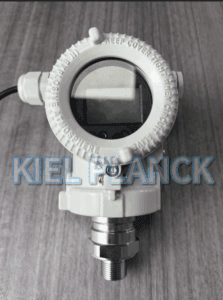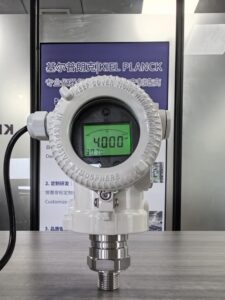
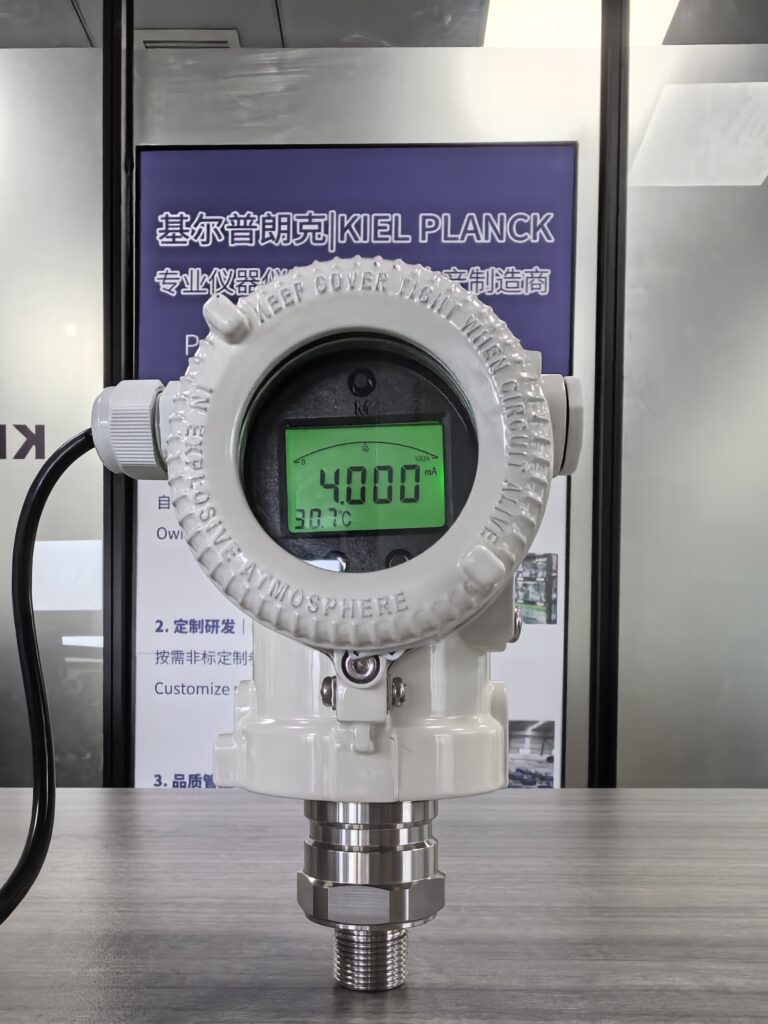
Pressure transmitters play an important role in hydrogen production, compression, storage, and transportation. However, hydrogen service can place specific demands on instrument materials, seals, pressure ratings, and safety documentation.
A transmitter that works well in a general industrial application may not automatically be suitable for every hydrogen process. Buyers should evaluate each model against the actual operating conditions and project requirements.
1. Wetted Materials: Start with Compatibility
The wetted parts are the components that contact the process medium. Their compatibility with hydrogen and any other substances in the process is a key selection factor.
Common items to review include:
Sensor diaphragm and process connection materials
Pressure port and isolation components
Seal materials
Surface treatment or coating, if applicable
For high-pressure hydrogen service, material suitability requires particular attention. Hydrogen-related degradation risks depend on factors such as material grade, pressure, stress, temperature, and component design.
Buyer checklist: Request the manufacturer’s material specifications and written confirmation of suitability for the intended hydrogen conditions. Do not rely on a general statement that a product is “stainless steel” or “hydrogen compatible.”
2. Sealing Systems: Prevent Leakage Risks
Seals and connections are important considerations in hydrogen systems because leakage prevention is a major safety requirement.
Depending on the design, a pressure transmitter may use metallic sealing surfaces, elastomer seals, or other sealing arrangements.
When evaluating a transmitter, confirm:
Seal material and compatibility with the process
Temperature and pressure limits
Process connection and sealing method
Resistance to the expected operating cycles
Installation and maintenance requirements
No single seal type is suitable for every application. The correct choice depends on the transmitter design, operating conditions, and system requirements.
3. Pressure Range and Overpressure
Choose a pressure range that covers both normal operation and the expected process extremes.
A range that is too wide may reduce the usefulness of the available measurement resolution. A range that is too narrow may expose the instrument to frequent overpressure or exceed its limits.
Review these parameters:
Normal operating pressure
Maximum and minimum pressure
Potential pressure surges
Allowable overpressure
Required accuracy across the operating range
The sensor range and the maximum allowable working pressure are not necessarily the same. Check the manufacturer’s datasheet for both.
4. Accuracy, Stability, and Response
The appropriate accuracy depends on the purpose of the measurement. General process monitoring, control, equipment protection, and commercial measurement may have different requirements.
Compare more than the headline accuracy figure. Review:
Reference accuracy and how it is defined
Long-term stability
Temperature effects
Response time
Repeatability
Calibration and maintenance requirements
For compressor or fast-changing process applications, dynamic response may be important. For long-term monitoring, stability and drift may receive greater attention.
5. Certification and Documentation
Certification requirements vary by installation location, equipment category, and project specification. A certificate for one purpose does not automatically demonstrate compliance with every hydrogen application.
Depending on the project, buyers may need to review:
Hazardous-area approvals, where applicable
Pressure equipment or system requirements
Material traceability documentation
Calibration certificates
Product datasheets and installation manuals
Quality and inspection records required by the project
Always verify the certificate number, issuing body, validity, model coverage, and applicable conditions. Do not assume that every model from a manufacturer has identical approvals.
6. Can One Transmitter Cover the Entire Hydrogen Process?
A single transmitter model may be suitable for multiple measurement points, but this must be verified rather than assumed.
| Application | Key selection considerations |
|---|---|
| Hydrogen production | Medium compatibility, pressure range, temperature, process connection |
| Purification and separation | Moisture, possible contaminants, pressure drop where relevant |
| Compression | High pressure, pulsation, vibration, overpressure |
| Gas storage | Maximum allowable pressure, material suitability, safety requirements |
| Pipeline transportation | Pressure range, long-term stability, connection and output |
| Refueling systems | Operating envelope, dynamic conditions, project approvals |
A product supplier should be able to explain which models match each application and identify any limitations.
7. Questions to Ask a Supplier
Before purchasing, ask the manufacturer to confirm:
Is the exact model suitable for the specified hydrogen pressure and temperature?
What are the diaphragm, process connection, and seal materials?
What are the maximum allowable pressure and overpressure limits?
Which certifications apply to this exact model?
What calibration, inspection, and traceability documents are available?
What are the lead time, warranty terms, and after-sales support arrangements?
Clear answers make technical and commercial comparisons more reliable.
Frequently Asked Questions
Is every stainless-steel pressure transmitter suitable for hydrogen?
No. Suitability depends on the specific material grade, design, pressure, temperature, seals, and operating conditions.
Does a hazardous-area certificate prove hydrogen compatibility?
No. Hazardous-area approval and material compatibility address different requirements. Both must be evaluated when applicable.
Can a pressure transmitter be used for high-pressure hydrogen storage?
Only when the exact model, pressure rating, materials, connections, and required approvals are suitable for the application.
Conclusion
Selecting a pressure transmitter for hydrogen service requires more than checking the measuring range. Material compatibility, sealing design, pressure limits, accuracy, and verified documentation should all be reviewed. Suppliers should demonstrate suitability for the actual operating conditions instead of relying on broad claims about hydrogen applications.
Scan the QR code to receive more detailed information.