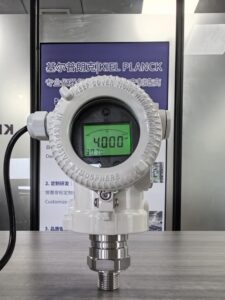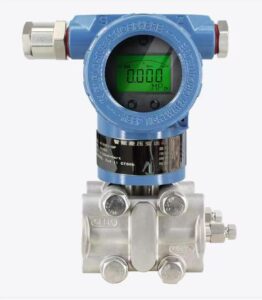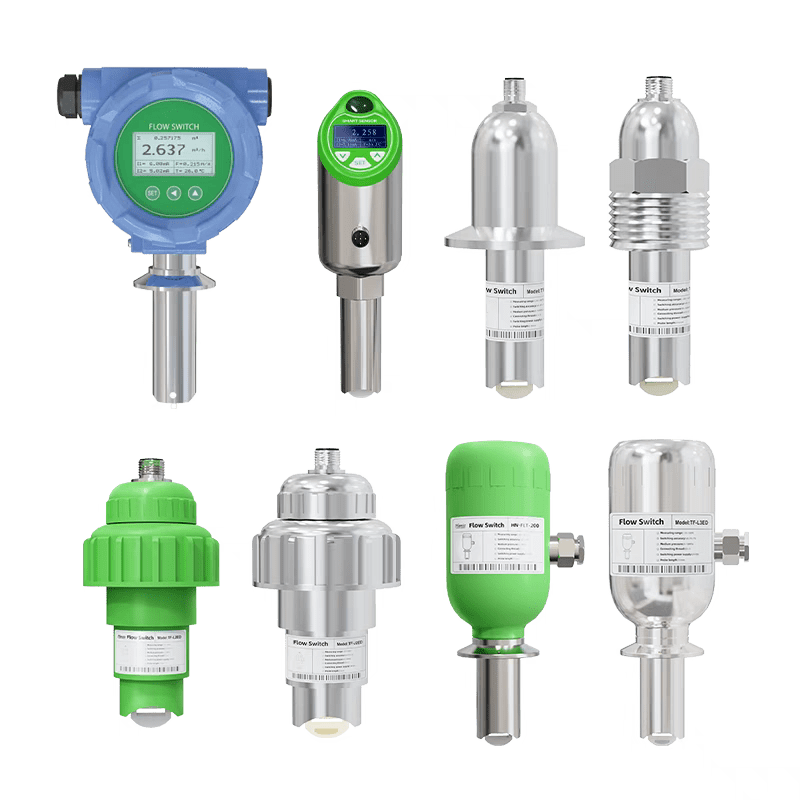
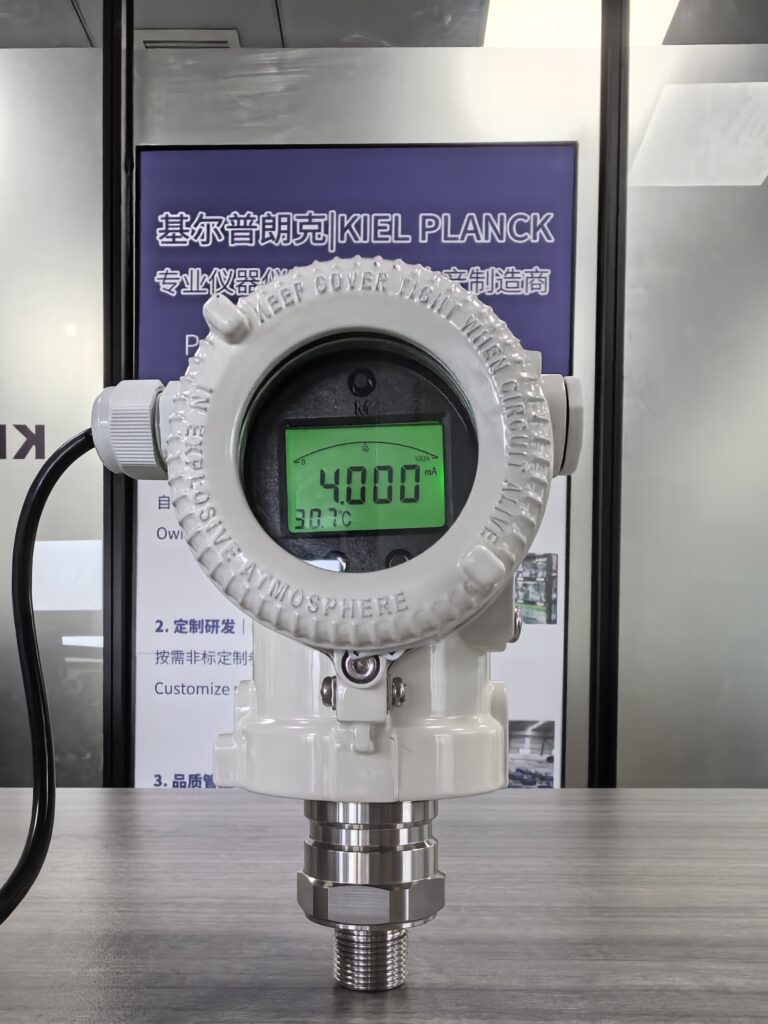
Pressure sensor selection affects measurement accuracy, process stability, maintenance, and total operating cost. Monocrystalline silicon, diffused silicon, and ceramic capacitive technologies each have different design characteristics.
However, sensor technology alone does not determine the performance of a complete pressure transmitter. Diaphragm design, temperature compensation, electronic circuitry, sealing, calibration, and manufacturing quality also matter.
This guide explains how to compare the three technologies without relying on unverified performance claims.
1. Monocrystalline Silicon Pressure Sensors
Monocrystalline silicon piezoresistive sensors use the electrical properties of a silicon sensing element to detect pressure-induced strain.
Potential advantages include high sensitivity and the ability to support accurate pressure measurement when combined with suitable compensation and signal processing.
When evaluating a monocrystalline silicon transmitter, check:
Reference accuracy and its definition
Temperature effects across the specified range
Long-term stability and drift
Static pressure effects for differential pressure models
Overpressure limits and pressure-cycle performance
Wetted materials and sealing design
A monocrystalline silicon sensing element does not automatically guarantee superior performance. The complete instrument must meet the requirements of the intended application.
2. Diffused Silicon Pressure Sensors
Diffused silicon pressure sensors commonly use piezoresistive elements formed through semiconductor processing. They are widely used in industrial and general-purpose pressure measurement.
Their suitability depends on the sensor structure, pressure range, compensation circuit, diaphragm, and transmitter electronics.
Buyers should compare the same key parameters used for monocrystalline silicon models. For cost-sensitive applications, diffused silicon may be worth evaluating if its verified specifications meet the process requirements.
Do not assume that all diffused silicon models have the same accuracy or stability. Different product designs can produce different results.
3. Ceramic Capacitive Pressure Sensors
Ceramic capacitive sensors detect pressure through a change in capacitance between sensing structures. Their performance depends on the ceramic element, mechanical design, electronics, and pressure range.
When considering a ceramic capacitive model, review:
Suitable pressure range
Reference accuracy and repeatability
Temperature characteristics
Overload and pressure-cycle limits
Media compatibility
Installation and sealing requirements
Ceramic capacitive designs may be suitable for particular low-pressure or differential-pressure applications, depending on the product. Confirm the actual specification rather than assuming a universal advantage.
4. Comparison Checklist
| Parameter | Monocrystalline silicon | Diffused silicon | Ceramic capacitive |
|---|---|---|---|
| Measurement principle | Piezoresistive | Piezoresistive | Capacitive |
| Accuracy | Verify model datasheet | Verify model datasheet | Verify model datasheet |
| Temperature effects | Check compensated range and drift | Check compensated range and drift | Check compensated range and drift |
| Overload resistance | Check rated limits and test method | Check rated limits and test method | Check rated limits and test method |
| Long-term stability | Require specified drift data | Require specified drift data | Require specified drift data |
| Cost | Compare complete instrument cost | Compare complete instrument cost | Compare complete instrument cost |
This table is a selection framework, not a claim that one technology always outperforms the others.
5. How to Conduct a Fair Performance Test
To compare three transmitters, use the same pressure reference, test points, ambient conditions, supply voltage, output measurement equipment, and stabilization time.
Accuracy test: Apply several known pressure points across the required range and record the deviation.
Temperature test: Evaluate output at defined temperatures within each model’s rated range. Record temperature, pressure, and deviation.
Overload test: Follow the manufacturer’s approved test procedure and specified limits. Do not expose instruments to destructive pressure simply to compare them.
Stability test: Record readings over a defined period. For long-term drift, use repeated calibration data over months or years rather than extrapolating from a short test.
Interference test: Apply a documented electromagnetic compatibility test appropriate to the installation and record the test conditions.
Publish the actual models, methods, conditions, and results if describing the comparison as a real test.
6. How to Choose the Right Technology
Start with the process requirements instead of choosing a sensor type first.
For high-accuracy process measurement, compare verified accuracy, temperature effects, and long-term stability.
For pressure peaks, check the maximum allowable pressure and documented overload performance.
For corrosive media, verify the diaphragm, wetted materials, and seals.
For cost-sensitive projects, compare the complete purchase and maintenance costs.
For critical applications, confirm the required certifications and system-level safety requirements.
Frequently Asked Questions
Is monocrystalline silicon always more accurate than diffused silicon?
No. Compare the accuracy specifications and test conditions of the exact models.
Does ceramic capacitive technology always have better temperature stability?
Not universally. Temperature performance depends on the sensor and transmitter design and must be verified from technical data.
Can a short test prove long-term stability?
No. A short test can assess repeatability or short-term behavior, but long-term drift requires suitable historical or extended test data.
Conclusion
Monocrystalline silicon, diffused silicon, and ceramic capacitive pressure sensors should be compared using consistent methods and model-specific specifications. Accuracy, temperature effects, overload resistance, long-term stability, and cost all matter. The best choice is the technology and transmitter combination that meets the actual process requirements with verifiable evidence.
Scan the QR code to receive more detailed information.