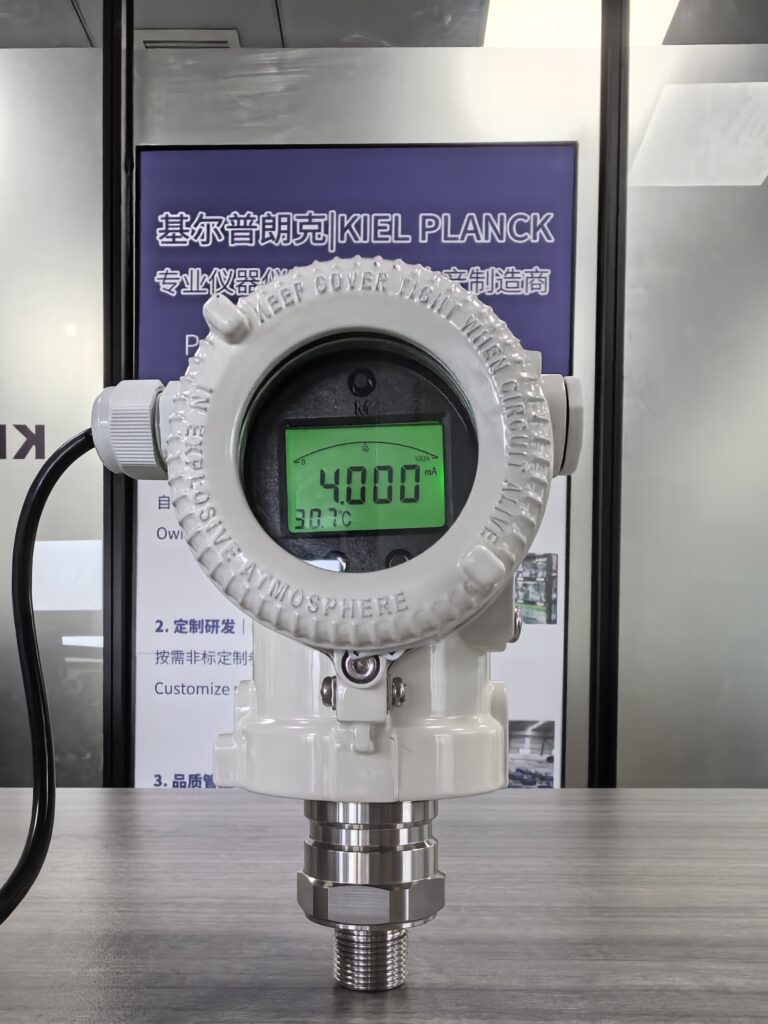
Skid-mounted hydrogen production systems integrate process equipment, pipelines, valves, and instruments into a compact structure.
Limited installation space makes pressure transmitter selection and layout especially important.
1. Confirm the Measurement Requirements
Before selecting a transmitter, identify the measurement point’s purpose:
Process pressure monitoring
Pressure control
High- or low-pressure alarm
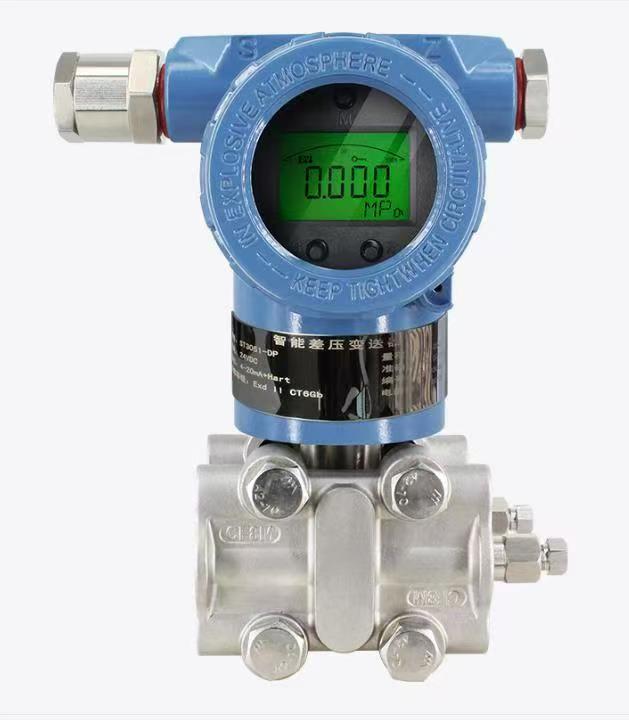
Filter or equipment differential pressure
Hydrogen outlet pressure monitoring
Different functions may require different ranges and response characteristics.
2. Consider Installation Space
Check the available space around the process connection, cable entry, manifold, and instrument display.
A compact transmitter may simplify installation, but maintenance access must remain available.
3. Check Process Compatibility
Hydrogen systems may operate at elevated pressure.
Confirm:
For hydrogen service, request written confirmation of material suitability from the manufacturer.
4. Select the Output and Electrical Connection
Common requirements include 4–20 mA, HART communication, and compatibility with the skid PLC.
Check cable entry, connector type, power supply, and hazardous-area requirements.
5. Standardize Where Practical
Using a limited number of transmitter models can simplify spare parts management and maintenance.
However, standardization should not force one pressure range or material specification onto measurement points with different process conditions.
Conclusion
A suitable pressure transmitter for a skid-mounted hydrogen system should combine compact installation, process compatibility, reliable signal output, and convenient maintenance.