

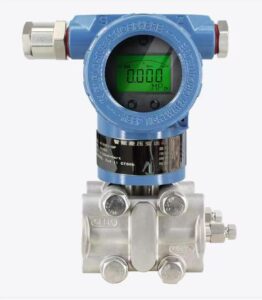
Pressure fluctuations at the outlet of a hydrogen production system may come from the process, control valves, compressors, or measurement system.
One instrument setting worth checking is transmitter damping.
1. What Is Transmitter Damping?
Damping is a signal-filtering function that smooths rapid changes in the transmitter output.
A suitable damping setting can reduce signal noise and prevent unnecessary control valve movement.
However, excessive damping delays the output response.
2. Why Can Pressure Readings Fluctuate?
Common causes include:
Rapid changes in hydrogen production
Compressor pulsation
Pressure regulator instability
Valve operation
Pipeline pressure fluctuations
Electrical interference
Incorrect impulse line installation
Do not assume that every unstable signal is caused by the transmitter.
3. How to Check the Damping Setting
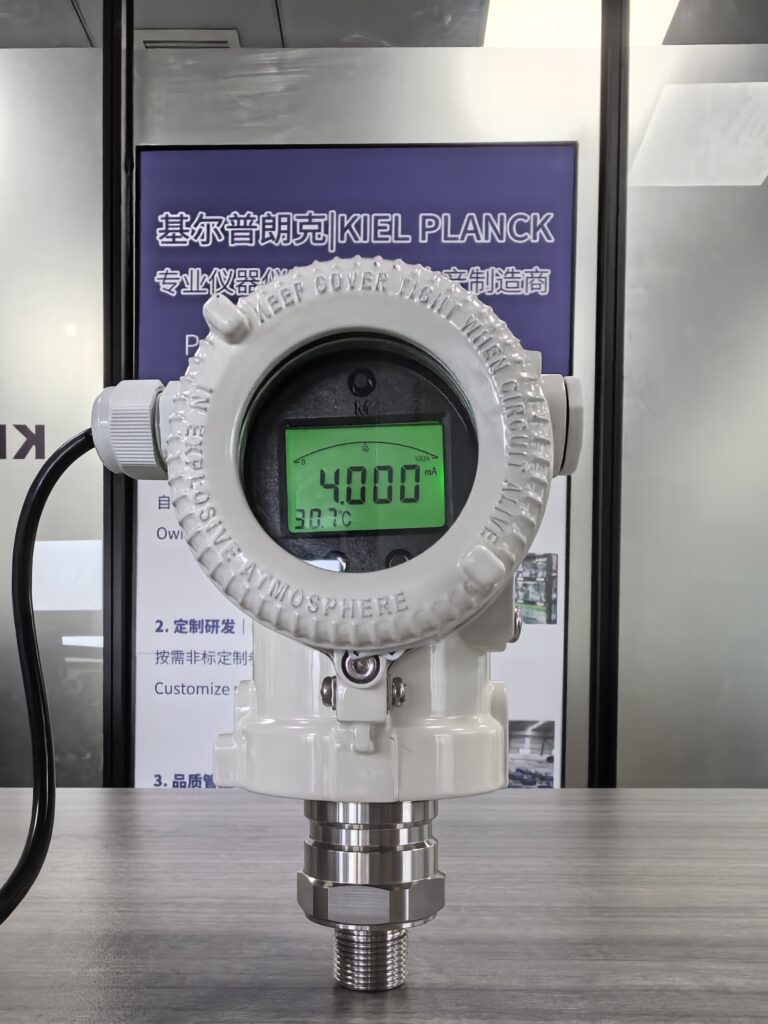
First compare the transmitter’s local reading with the PLC or DCS trend.
If the local reading is stable but the control system signal fluctuates, check wiring, signal processing, and control system filtering.
If both readings fluctuate, investigate the process and installation before changing the damping value.
4. How to Select a Suitable Setting
A shorter damping time provides faster response but may allow more process noise to pass through.
A longer damping time smooths the signal but may delay alarms and control actions.
Consider:
Process response time
Pressure fluctuation frequency
Control loop requirements
Alarm response requirements
Manufacturer’s available damping range
Do not use damping to hide genuine pressure surges or unstable process conditions.
Conclusion
Transmitter damping can improve pressure signal stability, but it cannot correct an unstable process or a faulty installation.
Check the actual pressure trend first, then adjust damping according to the control system’s response requirements.
Scan the QR code to receive more detailed information.