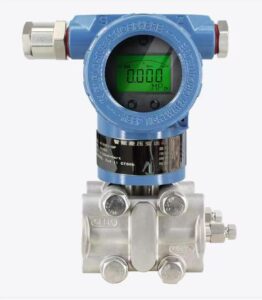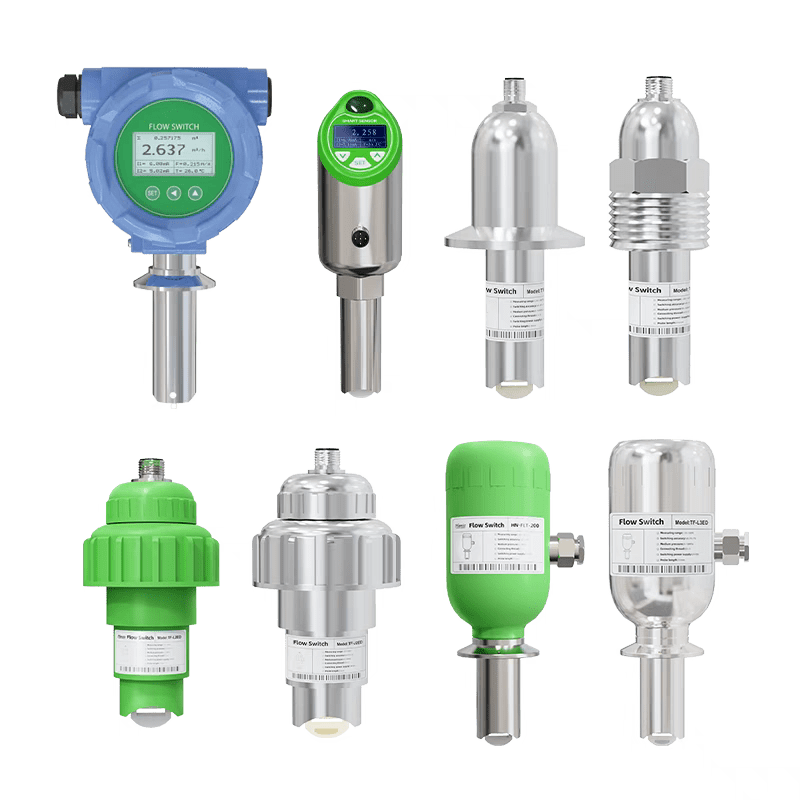
Alkaline and proton exchange membrane (PEM) electrolyzers use different technologies to produce hydrogen. Their operating conditions and fluid systems are also different, which affects pressure instrument selection and measurement point layout.
1. Pressure Measurement in Alkaline Electrolyzers
Alkaline electrolyzers use a liquid alkaline electrolyte, commonly circulated through the electrolysis system.
Typical pressure measurement points may include:
Hydrogen-side gas-liquid separator
Oxygen-side gas-liquid separator
Electrolyte circulation system
Hydrogen outlet pipeline
Oxygen outlet pipeline
Relevant water or electrolyte supply lines
Pressure monitoring on both gas sides is important. The pressure difference between the hydrogen and oxygen sides must remain within the limits specified by the electrolyzer design.
2. Pressure Measurement in PEM Electrolyzers
PEM electrolyzers use a solid polymer electrolyte membrane and typically use water as the feed.
Possible pressure measurement points include:
Hydrogen outlet
Oxygen-side water or gas-liquid separation system
Water feed and circulation lines
Hydrogen product pipeline
Cooling and auxiliary systems
Some PEM systems operate with elevated hydrogen pressure. Others use balanced or differential pressure operation. The required pressure measurements depend on the stack and system design.
3. Key Differences
| Item | Alkaline | PEM |
|---|---|---|
| Electrolyte | Liquid alkaline solution | Polymer membrane; water feed |
| Gas separation | Separate gas-liquid separators | Separate gas and water management |
| Pressure monitoring | Gas sides and electrolyte circuits | Gas sides, water circuits, and stack |
| Differential pressure | Important for separator and cell protection | Important where the design specifies pressure balance |
| Wetted material | Must suit alkaline electrolyte | Must suit water and process conditions |
4. Pressure Transmitter Selection
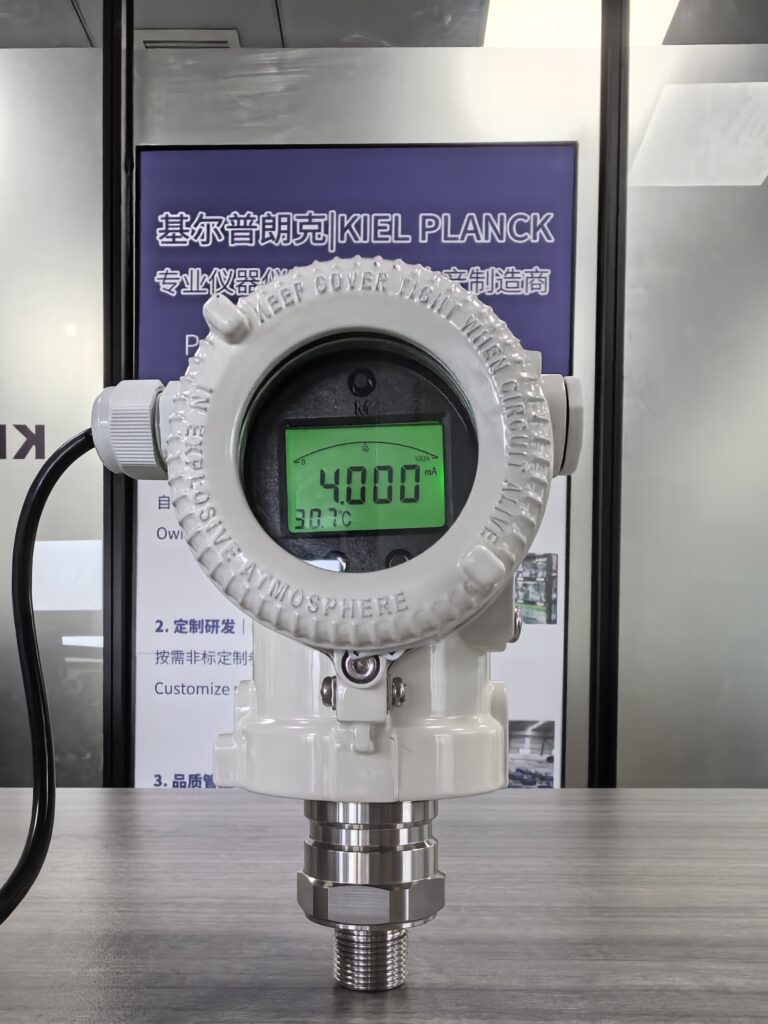
Confirm pressure range, maximum pressure, temperature, wetted material, output signal, and installation connection.
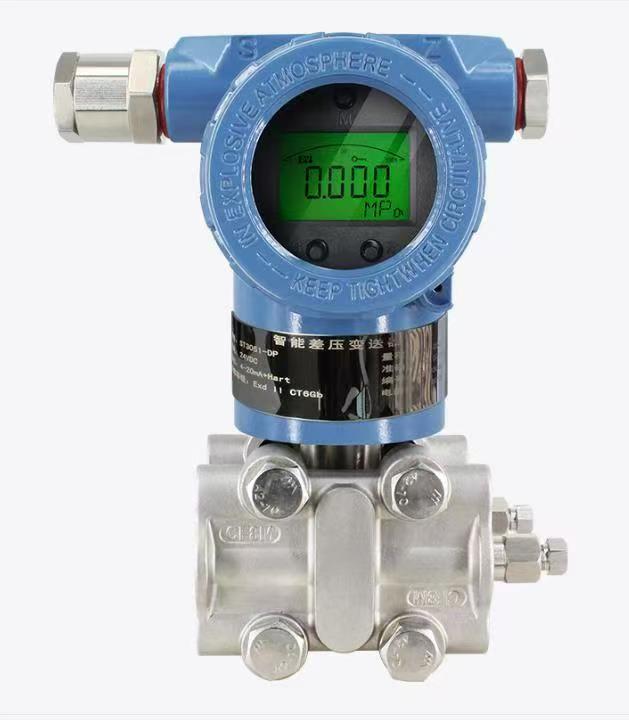
For differential pressure monitoring, check static pressure rating as well as the required differential range.
Conclusion
Alkaline and PEM electrolyzers share some pressure measurement needs, but their process arrangements are different. Instrument quantities and locations should be determined from the electrolyzer P&ID and manufacturer’s operating limits.
Scan the QR code to receive more detailed information.