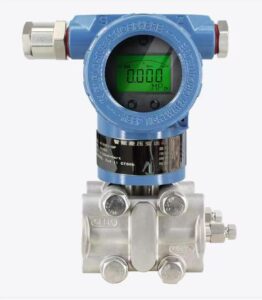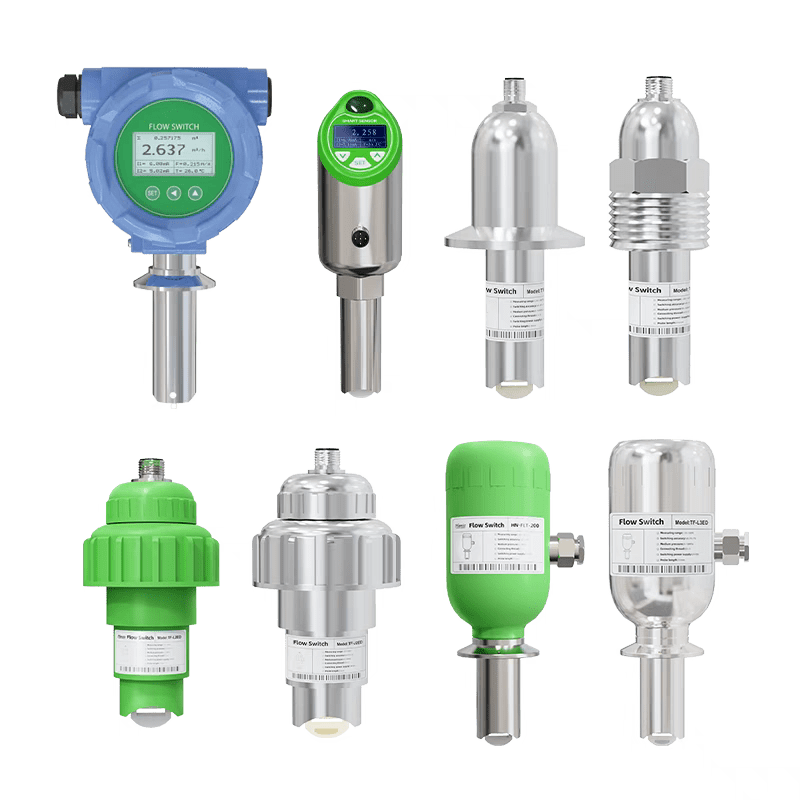
Pressure transmitters and level switches are widely used in industrial automation systems.
Although both are used for process monitoring, they have different functions.
A pressure transmitter provides a continuous pressure signal, while a level switch detects whether a liquid or material reaches a specified level.
Correct installation and regular maintenance are essential for reliable operation.
1. Pressure Transmitter Installation
Confirm the Measurement Range
Check the normal operating pressure, maximum pressure, and possible pressure fluctuations before installation.
Avoid selecting a range that is unnecessarily large or unsuitable for the process.
Check the Process Connection
Confirm the thread or flange standard, connection size, material, and sealing method.
Do not force incompatible connections together.
Consider Installation Position
Install the transmitter where it can measure process pressure correctly and remain accessible for inspection.
For liquid, gas, and steam applications, follow the manufacturer’s recommended installation arrangement.
Check Electrical Wiring
Verify power supply, output signal, polarity, grounding, and cable connection.
For 4–20 mA systems, confirm compatibility with the control system.
2. Level Switch Installation
Select the Correct Installation Position
The switch position should correspond to the required high-level or low-level alarm point.
Consider vessel structure, liquid movement, and possible interference from internal equipment.
Check Medium Compatibility
Confirm that the probe or sensing element is compatible with the process medium.
For corrosive or high-temperature applications, select suitable materials and models.
Avoid Mechanical Interference
Ensure that the sensing element does not collide with agitators, tank walls, or other internal components.
For tuning fork level switches, allow sufficient clearance for proper operation.
3. Regular Maintenance
Both instruments should be inspected according to the process risk, operating environment, and manufacturer’s recommendations.
Common maintenance tasks include:
Checking electrical connections
Inspecting cables and protective housings
Checking process connections for leakage
Cleaning buildup from sensing surfaces where appropriate
Verifying signal output
Checking alarms and control system responses
Performing calibration or functional testing when required
4. Common Problems to Watch For
| Instrument | Possible Problem | Recommended Check |
|---|---|---|
| Pressure transmitter | Unstable reading | Check wiring, pressure connection, and process fluctuations |
| Pressure transmitter | Zero deviation | Check installation and calibration |
| Level switch | False alarm | Check buildup, installation position, and wiring |
| Level switch | No switching signal | Check power, output wiring, and sensing element |
5. Keep Maintenance Records
Record installation details, inspection dates, calibration results, alarm tests, and any replacement parts.
These records help identify recurring faults and support preventive maintenance.
Conclusion
Correct installation and planned maintenance help pressure transmitters and level switches operate reliably.
Always follow the instrument manufacturer’s instructions and the plant’s safety procedures. Before removing any instrument, isolate the process and confirm that pressure, temperature, and electrical hazards have been controlled.
Scan the QR code to receive more detailed information.