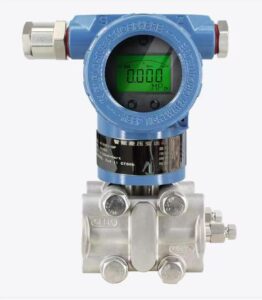
In some reactor applications, a standard pressure transmitter with a direct process connection may appear to be the lowest-cost option.
However, when the process medium is corrosive, viscous, crystallizing, or difficult to clean, the initial purchase price may not reflect the total operating cost.
A diaphragm seal transmitter may offer better long-term value.
1. Reducing the Risk of Process Blockage
Some reactor media can accumulate or solidify inside narrow pressure passages.
A suitable flush diaphragm seal can reduce the risk of material entering and blocking the pressure connection.
This may help reduce cleaning and troubleshooting work.
2. Protecting the Measuring Element
A diaphragm seal separates the transmitter’s pressure-sensing system from direct contact with the process medium.
The diaphragm and wetted materials can be selected according to the chemical and temperature conditions.
This is particularly important for certain corrosive or aggressive media.
3. Improving Maintenance Convenience
For difficult process conditions, a properly selected diaphragm seal may reduce the need for repeated removal and cleaning of the transmitter connection.
However, the diaphragm itself still requires correct installation and periodic inspection.
4. Understanding the Total Cost
A lower-priced transmitter may require more maintenance if it is frequently affected by blockage or corrosion.
A more complete cost comparison should include:
5. When Is a Diaphragm Seal Worth Considering?
Consider a diaphragm seal when the medium is:
The correct design depends on pressure, temperature, medium compatibility, and response requirements.
Conclusion
A diaphragm seal transmitter may cost more initially, but it can reduce maintenance risks in demanding reactor applications.
The best purchasing decision should consider the complete lifecycle cost rather than the instrument price alone.