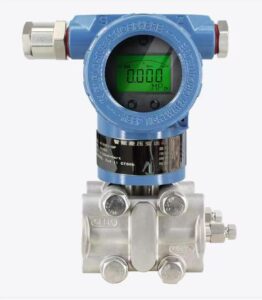
Accurate liquid level measurement is important in oil and gas separators, chemical processing equipment, and other industrial vessels.
When a separator level reading becomes unstable or inaccurate, the transmitter is often suspected first.
However, the actual problem may be related to pressure tap locations or installation conditions.
1. Incorrect Pressure Tap Locations
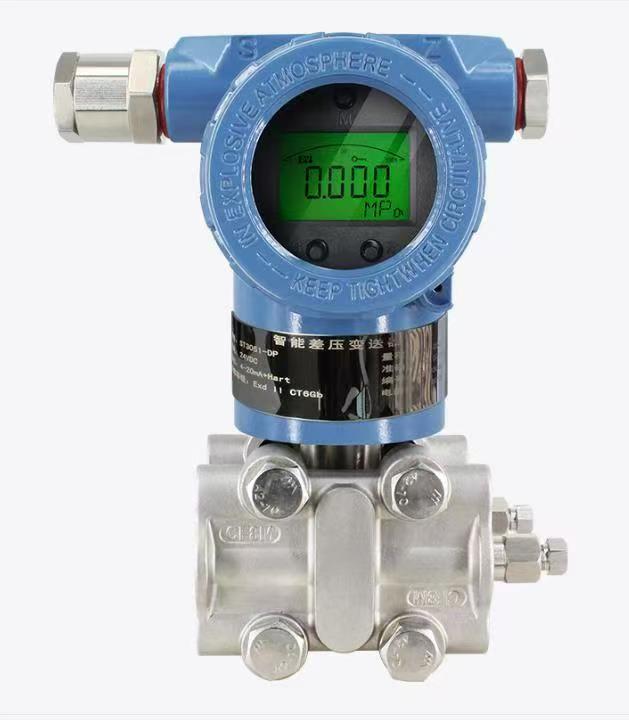
For differential pressure level measurement, the high-pressure and low-pressure connections must be installed at the correct reference points.
The lower connection generally measures liquid head, while the upper connection provides the reference pressure for a closed vessel.
Incorrect elevation or connection location can introduce measurement errors.
2. Impulse Line Problems
Impulse lines transfer process pressure to the transmitter.
Common problems include:
These issues can cause unstable readings or measurement deviation.
3. Changes in Liquid Density
Differential pressure level measurement is affected by liquid density.
If the liquid density changes during operation, the same liquid level may produce a different differential pressure.
This is particularly important in separators containing different liquid phases or changing process compositions.
4. Gas Pressure Compensation
In a closed separator, gas pressure above the liquid also acts on the vessel.
A properly configured differential pressure measurement system can compensate for this pressure through its reference connection.
The connection arrangement must match the vessel design and process conditions.
5. What Should Be Checked?
Before replacing the transmitter, inspect:
High- and low-pressure tap locations
Impulse line routing
Leakage and blockage
Liquid density assumptions
Reference leg condition
Transmitter zero and calibration
Diaphragm seal installation, if used
Conclusion
Separator level measurement errors are not always caused by the transmitter.
Pressure tap locations, impulse lines, density changes, and reference pressure arrangements should all be checked before replacing the instrument.