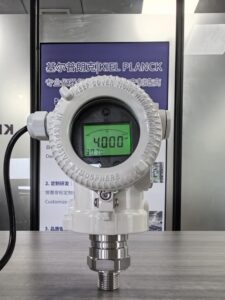
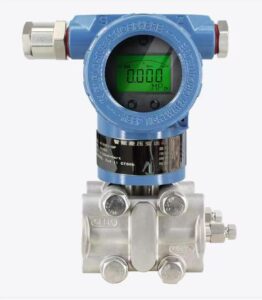
When purchasing pressure transmitters for industrial reactors, different suppliers may provide very different quotations.
The reason is often that the technical specifications are incomplete or inconsistent.
To make quotations comparable, buyers should confirm the following eight questions before requesting prices.
1. What Is the Pressure Range?
Provide the normal operating pressure, maximum pressure, and minimum pressure.
Also confirm whether the application involves vacuum measurement.
2. What Is the Process Temperature?
Specify normal and maximum process temperatures, as well as possible temperature fluctuations.
This information affects transmitter and diaphragm seal selection.
3. What Is the Process Medium?
Describe the medium’s chemical properties.
Is it corrosive, viscous, crystallizing, or likely to solidify?
This helps determine wetted materials and whether a diaphragm seal is needed.
4. Is a Diaphragm Seal Required?
Confirm whether direct process connection is acceptable.
If a seal is required, specify the type, material, flange standard, and installation arrangement.
5. What Accuracy Is Required?
State the required accuracy and ask suppliers to explain how it is defined.
Also request information about long-term stability and temperature effects.
6. What Output Signal Is Needed?
Common options include:
Check compatibility with the existing PLC or DCS.
7. What Process Connection Is Required?
Provide the connection type, size, pressure rating, and relevant flange or thread standard.
Do not assume that similar-looking connections are interchangeable.
8. What Documentation and Service Are Included?
Ask about:
Conclusion
A complete technical specification helps suppliers provide comparable quotations.
By confirming these eight points, buyers can reduce misunderstandings, avoid unsuitable products, and make more informed purchasing decisions.