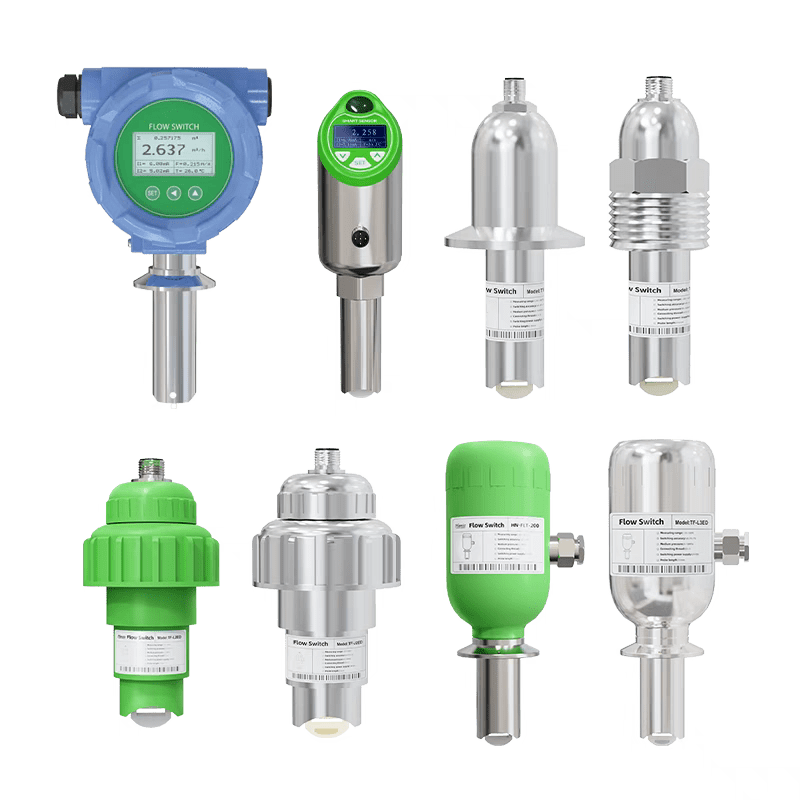
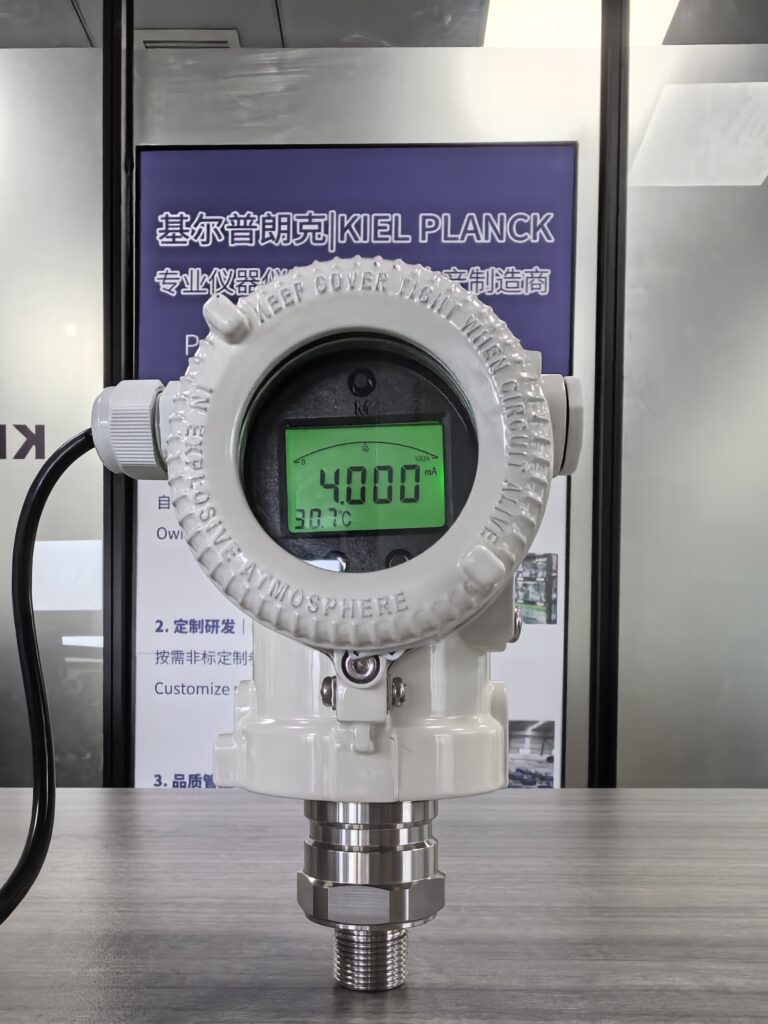
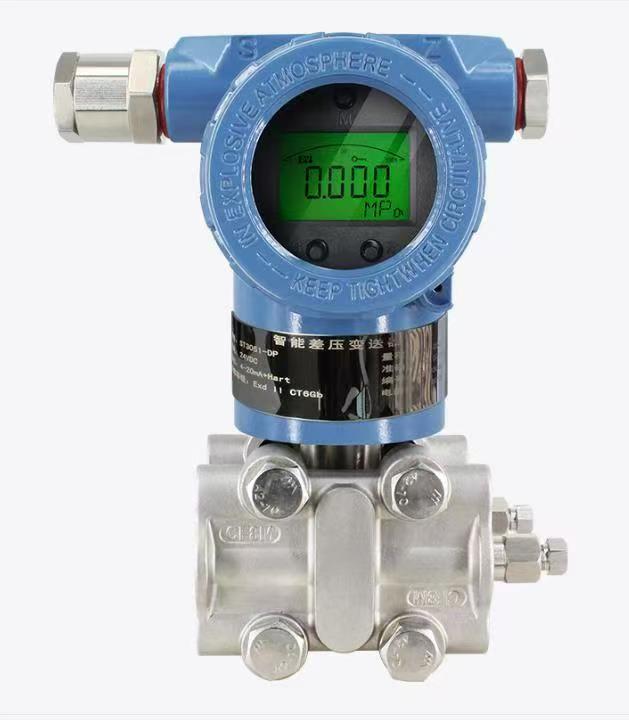
Hydrogen equipment manufacturers may use many pressure transmitters with different ranges, connections, and output signals.
Keeping a separate spare for every instrument model can increase inventory complexity.
Standardization can help reduce the number of spare models, provided technical requirements are not compromised.
1. Identify Similar Measurement Points
Start by reviewing the instrument list and grouping measurement points with similar:
Pressure ranges
Wetted materials
Process connections
Output signals
Temperature requirements
Environmental conditions
Only technically compatible instruments should be considered for standardization.
2. Create Standard Transmitter Families
For example, a manufacturer may establish standard models for:
This can simplify purchasing and spare parts identification.
3. Estimate Inventory Savings
A simple comparison can be made:
Potential Inventory Reduction = Previous Spare Inventory Value − New Standardized Spare Inventory Value
However, the calculation should also consider additional costs such as engineering verification, qualification testing, and replacement compatibility.
4. Avoid Over-Standardization
Do not use one transmitter model for every measurement point.
A standard pressure transmitter may not be suitable for high-pressure hydrogen service, vacuum measurement, or special corrosion conditions.
Safety-related instruments may also have separate qualification requirements.
5. Build a Spare Parts Matrix
Record the instrument tag, model, range, material, connection, output, and approved replacement model.
This helps maintenance teams identify compatible spare parts without relying only on appearance or product name.
Conclusion
Pressure transmitter standardization can reduce spare parts variety and simplify inventory management.
The actual savings depend on the number of compatible measurement points, stock policy, and replacement qualification process.