Introduction
Pressure swing adsorption (PSA) is widely used to purify hydrogen.
A PSA system operates through repeated pressure changes, including adsorption, equalization, blowdown, purge, and repressurization.
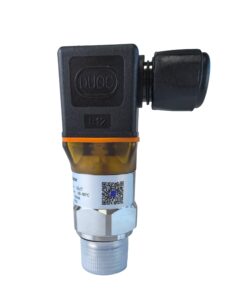
Pressure measurement is essential for monitoring vessel conditions and controlling the cycle.
1. Adsorption Pressure
During adsorption, feed gas enters the adsorber at the required operating pressure.
Pressure measurement is commonly required at the feed header and adsorber vessels to monitor operating conditions.
2. Equalization Pressure
During equalization, gas transfers between vessels to recover pressure energy and improve process efficiency.
Pressure measurements at the relevant vessel or connecting headers can help verify pressure changes and valve sequence operation.
3. Blowdown Pressure
During blowdown, the adsorber pressure is reduced.
Pressure monitoring helps the control system follow the required depressurization sequence and identify abnormal pressure behavior.
4. Purge Pressure
During purge, product gas or another specified gas may pass through the adsorber to remove remaining impurities.
Pressure measurement can help verify the operating conditions of the purge stage.
5. Repressurization
Before returning to adsorption, the vessel is brought back to the required pressure.
Pressure feedback helps confirm that the vessel has reached the specified condition.
6. How Many Measurement Points Are Required?
There is no universal number.
The instrument quantity depends on:
Number of adsorber vessels
Valve sequence design
Pressure control strategy
Required alarm and interlock functions
Whether pressure is measured individually or through common headers
Conclusion
Pressure measurement should follow the PSA process sequence and P&ID.
The equalization, blowdown, and purge stages require reliable pressure feedback, but the exact number and location of transmitters must be determined by the system design.