

Compressor Seal Chamber Pressure Measurement: 3 Key Points for Single-Crystal Silicon Pressure Transmitters - Kiel Planck
  • Home
        • New Product

          Compressor Seal Chamber Pressure Measurement: 3 Key Points for Single-Crystal Silicon Pressure Transmitters - Kiel Planck

          There is a solution for every application. Let’s work together to find the right solution for you.

          Your benefits

          We use our experience to move your project forward.

          PHONE: 400-8868-261

          E-mail: info@kielplanckprc.com / kielplanck@outlook.com

  • Application
  • Service
  • Brand
  • Blog
  • Contact Us

Compressor Seal Chamber Pressure Measurement: 3 Key Points for Single-Crystal Silicon Pressure Transmitters

Compressor Seal Chamber Pressure Measurement: 3 Key Points for Single-Crystal Silicon Pressure Transmitters

In compressor applications, mechanical seal auxiliary systems require reliable pressure monitoring. Three important measurement points should be considered:

1. Seal Chamber Pressure

Monitoring seal chamber pressure helps operators understand the actual operating conditions and identify abnormal pressure changes.

2. Buffer or Barrier Fluid Pressure

For systems using buffer or barrier fluids, pressure monitoring helps maintain the required pressure relationship between the process side and the sealing system.

3. Supply and Return Pressure

Monitoring pressure in supply and return lines helps identify pressure drops, blockages, or abnormal circulation conditions.

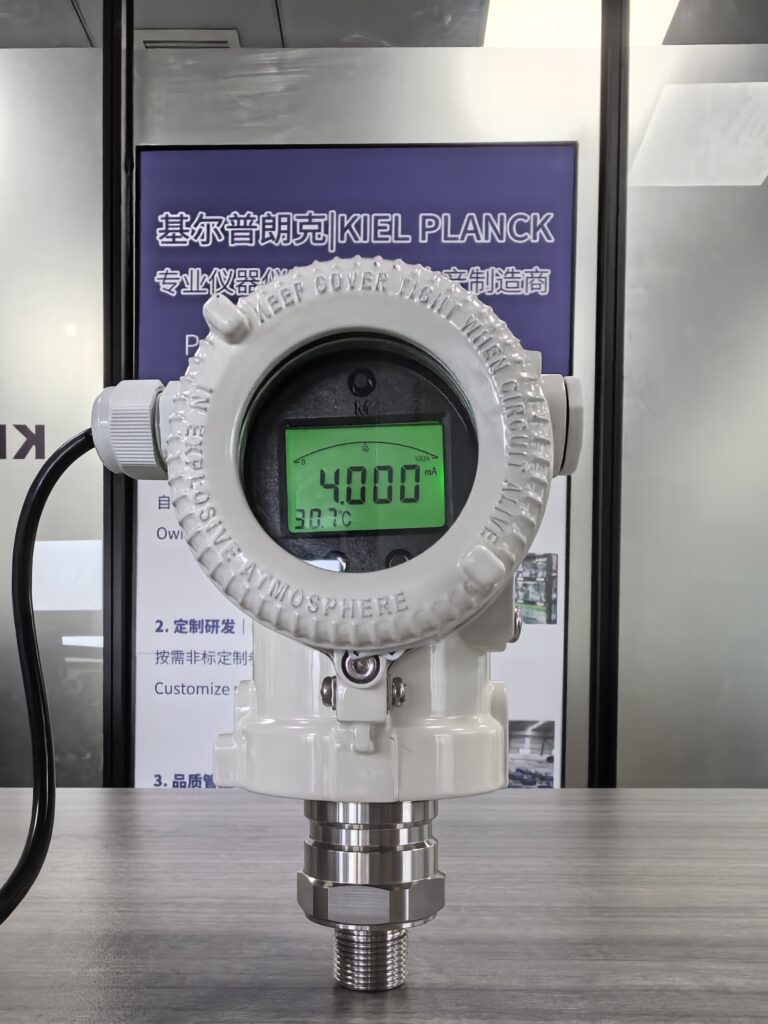
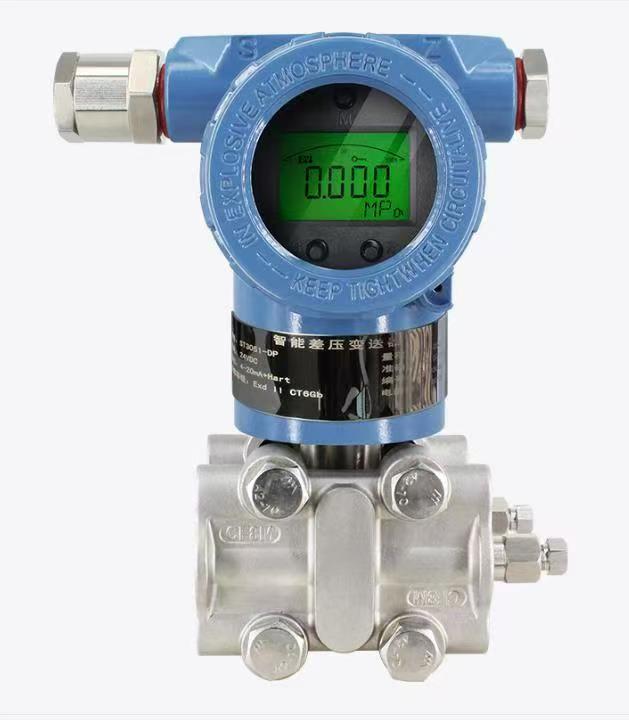
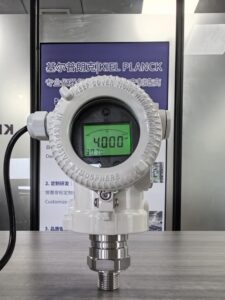
Single-crystal silicon pressure transmitters can be considered for these applications because of their measurement stability and accuracy. However, wetted materials, temperature, pressure range, and process connections must be selected according to actual operating conditions.

Conclusion

Reliable pressure measurement supports mechanical seal protection and compressor operation. Choosing the right pressure transmitter starts with understanding every measurement point.

Compressor Seal Chamber Pressure Measurement: 3 Key Points for Single-Crystal Silicon Pressure Transmitters - Kiel Planck

Scan the QR code to receive more detailed information.

Compressor Seal Chamber Pressure Measurement: 3 Key Points for Single-Crystal Silicon Pressure Transmitters - Kiel Planck

Share:

More Posts

Hydrogen Growth in 2026: Where Are the Instrumentation Opportunities for Electrolyzer Manufacturers? - Kiel Planck

Hydrogen Growth in 2026: Where Are the Instrumentation Opportunities for Electrolyzer Manufacturers?

Hydrogen production and related equipment continue to attract attention from industrial manufacturers, engineering companies, and energy investors. As electrolyzer projects develop, equipment manufacturers must consider not only the stack itself but also the supporting systems required for stable operation.

Pressure transmitters, flowmeters, level switches, differential pressure instruments, and temperature sensors are important parts of these auxiliary systems. They support monitoring across water treatment, electrolysis, gas-liquid separation, hydrogen purification, compression, storage, and cooling.

This article examines the main instrumentation areas that electrolyzer manufacturers and hydrogen equipment integrators should review when developing equipment packages. Rather than assuming that every project has the same requirements, it focuses on practical measurement needs and procurement opportunities.
Three Levels of Protection Against Electrolyzer Dry Running and Liquid Overflow - Kiel Planck

Three Levels of Protection Against Electrolyzer Dry Running and Liquid Overflow

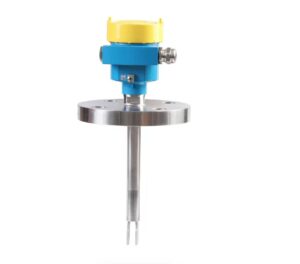
Liquid-level monitoring is an important part of many water electrolysis auxiliary systems. Water tanks, circulation vessels, gas-liquid separators, and collection tanks may all require level detection. Low liquid level can affect pump suction and water supply, while excessive liquid accumulation may interfere with separation or cause overflow.
A suitable level monitoring strategy can use low-level alarms, high-level alarms, and additional protective functions where required. Vibrating fork level switches are one possible option for point-level detection, while continuous level transmitters may be appropriate where ongoing measurement is needed.

Three Essential Instruments for Hydrogen Electrolyzer Circulation Pump Packages - Kiel Planck

Three Essential Instruments for Hydrogen Electrolyzer Circulation Pump Packages

Circulation pump packages are important auxiliary systems in many hydrogen production installations. They may circulate cooling water, process water, or other liquids required by the electrolyzer and associated equipment. Reliable pressure, flow, and level monitoring helps operators understand pump operating conditions and identify abnormal changes in the circulation system.

A typical instrument arrangement may include a pressure transmitter at the pump discharge, a flow switch or flowmeter in the circulation line, and a level switch or level transmitter on the supply tank. The exact configuration depends on the pump package design and process requirements.

This article explains the functions of these three key instruments and the main factors to consider when selecting them.

Send Us A Message

captcha
Reload

Bitte geben Sie die im CAPTCHA angezeigten Zeichen ein, um sicherzustellen, dass Sie ein Mensch sind.

Email
Email: info@kielplanckprc.com
WhatsApp
WhatsApp Me