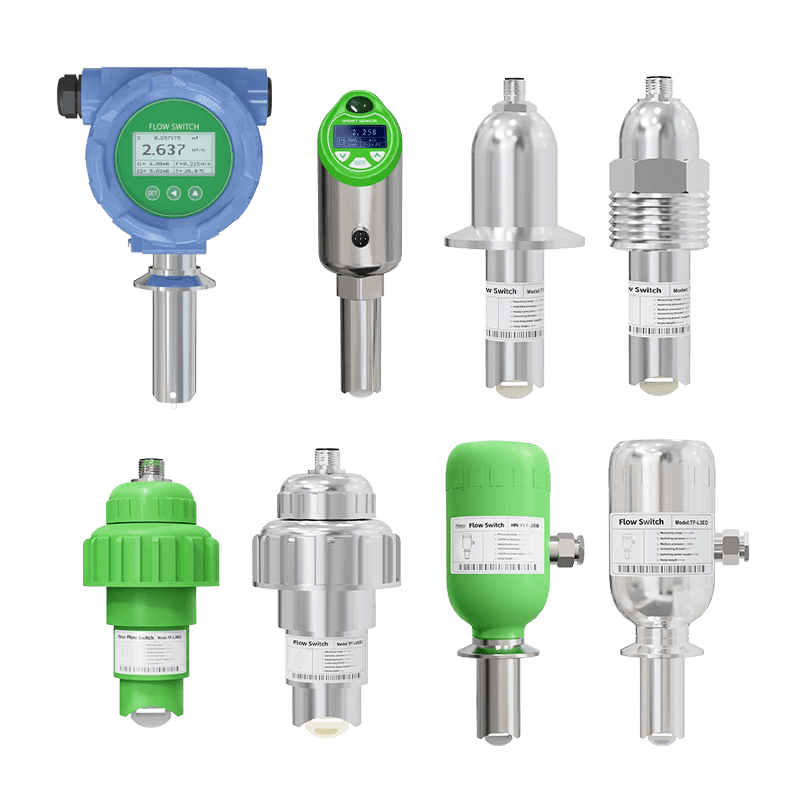
1. Petrochemical Industry
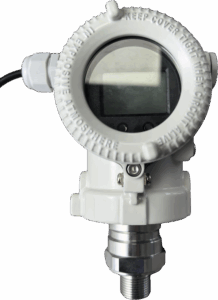
All kinds of oil storage tanks for crude oil, gasoline, diesel and kerosene; reaction kettles, distillation columns, oil-water separation tanks, solvent storage tanks and sewage tanks in chemical plants. Measured media include various fuels, benzene, alcohol, strong acid and alkali corrosive liquids, chemical sludge and viscous resin. Explosion-proof capacitive transmitters are widely used for flammable and explosive working environments.
2. Water Treatment & Environmental Protection
Raw water tanks, dosing tanks for acid, alkali and flocculant, neutralization pools, sewage sedimentation tanks and sludge silos in water plants and wastewater treatment stations. They perform stably when measuring industrial wastewater, corrosive dosing solutions and sludge, and are less affected by surface foam and suspended impurities. RF admittance capacitive models are chosen for ultra-pure water and deionized water tanks.
3. Food and Beverage Industry
Fermentation tanks for beer, wine and soy sauce, edible oil storage tanks, syrup mixing barrels and dairy liquid containers. They also measure powdery food raw materials such as flour, starch and milk powder in closed silos. Probes adopt hygienic 316L stainless steel or food-grade PTFE coating, easy to clean without dead angles, complying with food sanitation standards.
4. Pharmaceutical Industry
Drug reaction vessels, liquid medicine storage tanks, solvent recovery barrels and powder raw material hoppers for tablet production. Suitable for high-purity medicinal liquid, disinfectant solutions and fine medicinal powder. Sanitary-type probes resist corrosion from cleaning agents and will not contaminate pharmaceutical materials.
5. Metallurgy and Electroplating
Ore powder silos, mineral slurry pools, metal pickling tanks and furnace cooling water tanks. The PTFE coated probes withstand strong pickling acids, abrasive mineral slurry and high-temperature circulating water, solving measurement difficulties of highly corrosive metal surface treatment solutions.
6. Power & New Energy Industry
Boiler drum, condensate tank and chemical dosing system of thermal power plants; electrolyte mixing tanks and raw material powder bins in lithium battery factories. The instruments support high temperature and high pressure working conditions, and can accurately measure boiler pure water, corrosive battery electrolyte and electrode powder.
7. Building Materials Industry
Cement powder silos, lime bins, glaze slurry tanks and glass raw material storage tanks. They are immune to thick dust inside silos and can effectively monitor powder levels even when materials tend to bridge and adhere to the probe surface.
8. Coating, Adhesive & Chemical Raw Material Industry
Storage tanks for paint, glue, resin and various viscous organic solvents. Capacitive probes keep stable readings for thick, sticky media that easily stick to sensor surfaces.
9. Refrigeration Industry
Storage tanks of liquid ammonia, liquid nitrogen and other low-temperature refrigerants. Special low-temperature resistant probe materials are matched to adapt to cryogenic measuring conditions.
10. Agriculture
Liquid fertilizer tanks, grain silos and plastic particle storage bins for agricultural production, realizing automatic level monitoring of liquid fertilizer and granular grains.
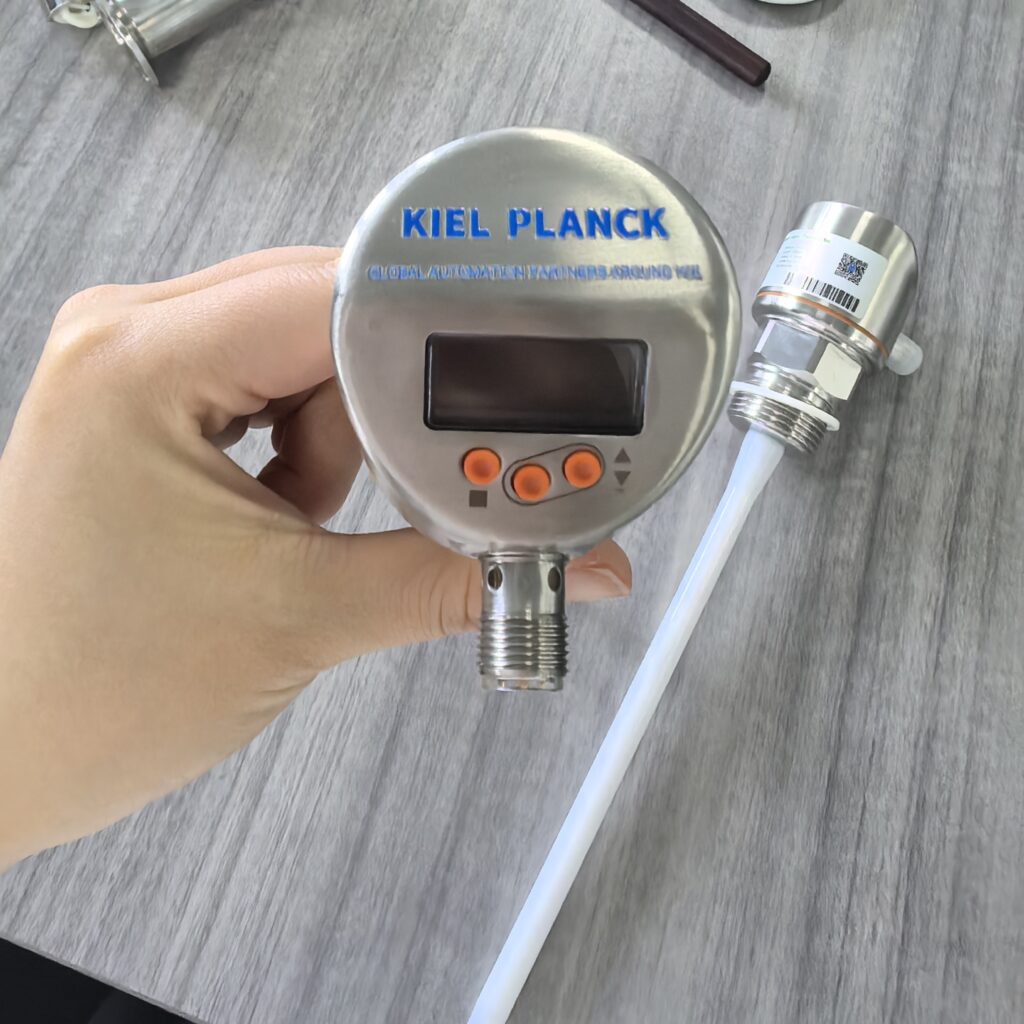
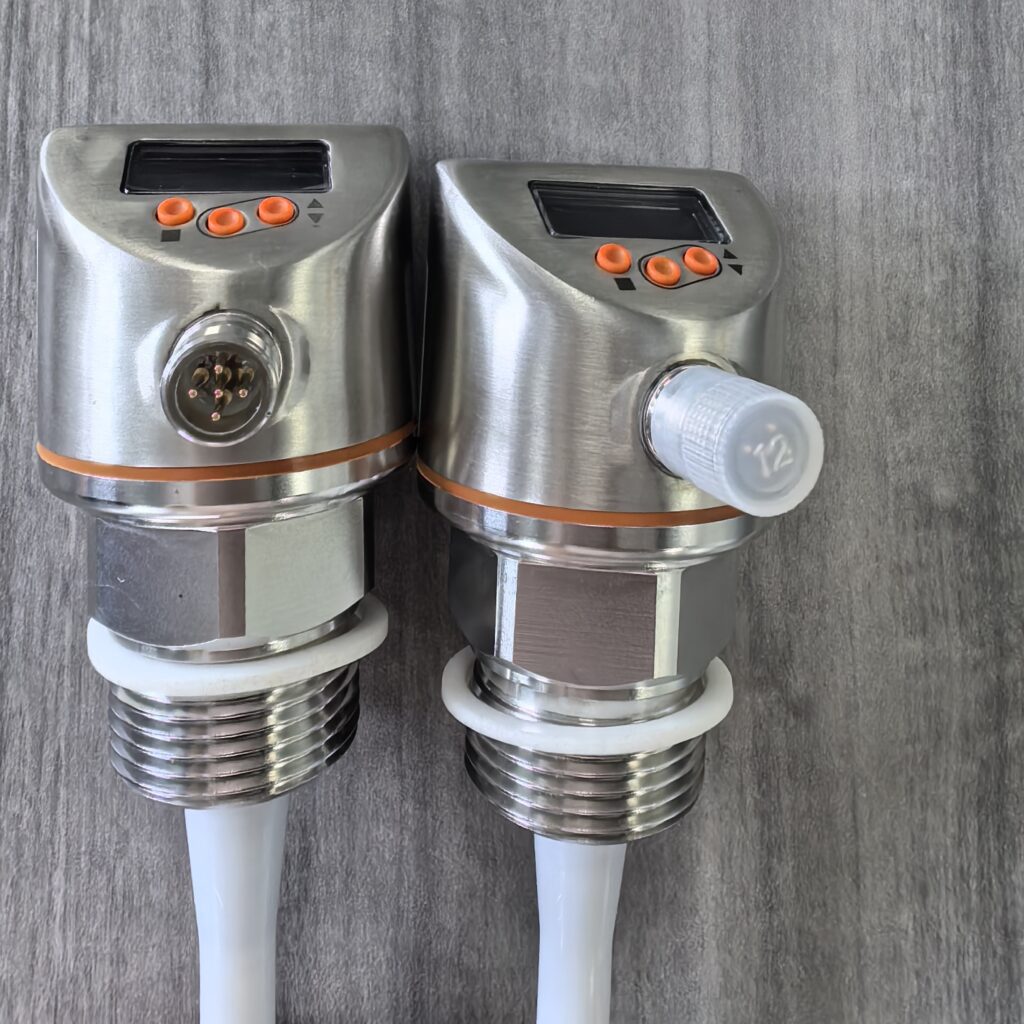
Scan the QR code to receive more detailed information.