1. Select probe structure based on measurement medium state
Liquid media
- Single rod probe: For ordinary clean liquids such as water, oil and solvent; simple structure, low cost, suitable for vertical installation in medium and large tanks.
- Double rod probe: For low dielectric constant liquids or small-diameter narrow containers; stable signal and strong anti-interference capacity.
- Cable type probe: For deep tanks, underground pools and tall silos with large measuring range; flexible cable can be customized according to tank depth.
- Coaxial probe: For narrow pipes, small reaction kettles and occasions with serious liquid level fluctuation; concentrated electric field, not easy to be interfered by tank wall.
Powder, granular and viscous paste media
- Rigid single rod probe: Preferred for cement, flour, ore powder and other dry powders; easy to clean, resistant to material impact.
- Anti-stick heavy-duty probe: For glue, resin, sludge and other viscous substances; with smooth thick anti-adhesion coating.
- Side-mounted short probe: For silos prone to material bridging and arching; avoid dead material accumulation around long rods.
2. Choose probe surface material according to corrosion and sanitation requirements
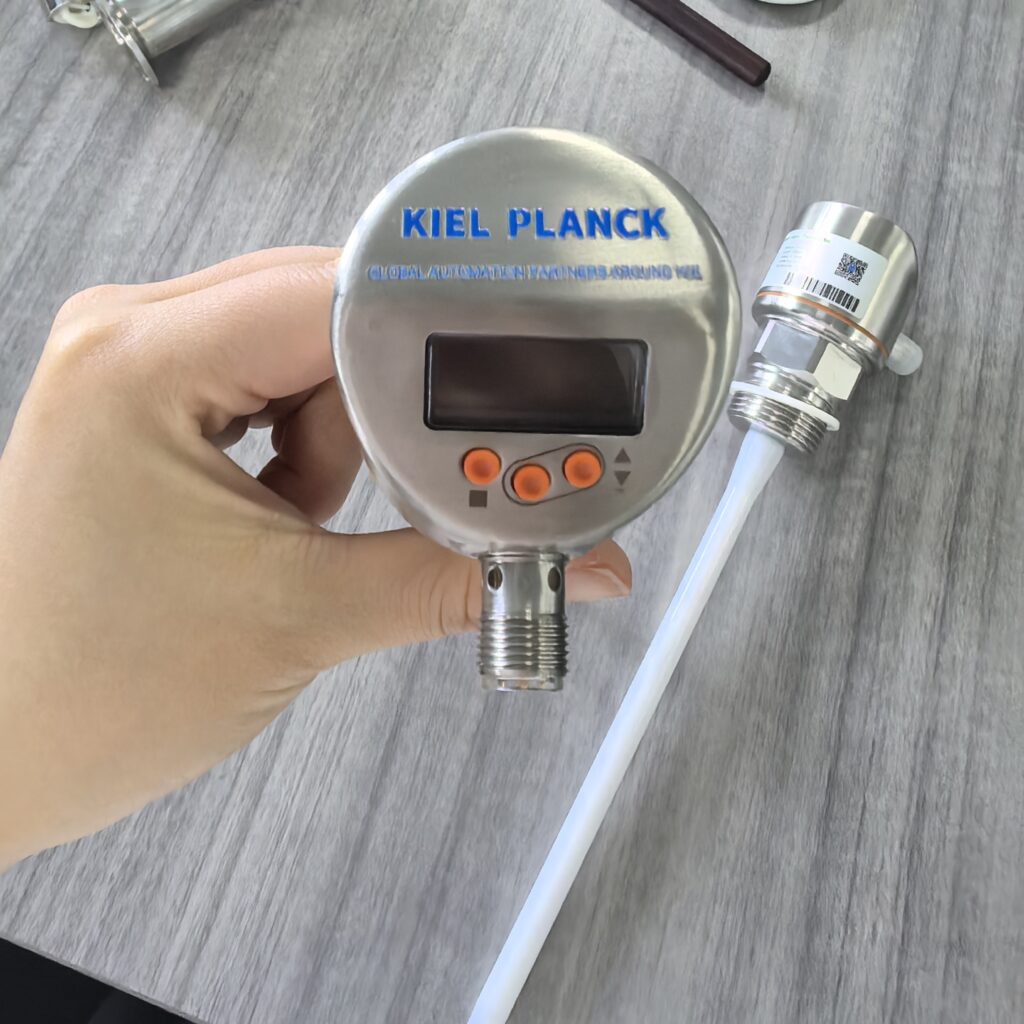
- PTFE / PFA coated probeThe most common anti-corrosion type. Resist strong acid, strong alkali, oxidant and various corrosive chemical liquids. Suitable for chemical pickling tanks, sewage dosing tanks and electrolyte containers. PFA performs better under high temperature than ordinary PTFE.
- 316L stainless steel probeFor non-corrosive clean media: pure water, edible oil, syrup, dairy products and pharmaceutical liquid. Meet food and medical sanitary standards, easy to wipe and disinfect.
- PP / PVC coated probeLow-cost anti-corrosion option, only applicable to normal temperature weak corrosive liquid; cannot bear high temperature, easy to aging.
- Hastelloy / titanium alloy probeFor ultra-strong corrosive media such as concentrated hydrochloric acid, chlorine-containing solution; used in special chemical working conditions with high cost.
3. Confirm probe length based on measuring range
- The effective length of the probe must cover the full liquid level variation range from empty to full tank.
- Reserve 50–100 mm space at the tank bottom to prevent the probe from touching sediment.
- For cable probes, avoid excessive slack that causes cable winding and contact with tank wall.
- If there are internal baffles, heating pipes and other components in the tank, shorten the probe properly to avoid collision.
4. Match probe type with working temperature and pressure
- Normal temperature and pressure (below 80℃, atmospheric pressure): Ordinary PTFE coated rod or stainless steel rod is acceptable.
- High temperature working condition (100–200℃): Select high-temperature resistant PFA coating and high-temperature sealing structure; cable probes are not recommended for long-term high temperature.
- High pressure vessels (reaction kettles, boiler water tanks): Use solid thickened rigid rod probe with high-pressure resistant flange sealing, flexible cable is forbidden.
- Low temperature refrigeration medium (liquid nitrogen, liquid ammonia): Special low-temperature resistant coating and sealing ring to prevent material embrittlement.
5. Special function selection according to medium characteristics
- For ultra-pure water / deionized water: Must match RF admittance dedicated probe, ordinary capacitive rod cannot measure low-conductivity pure water stably.
- Liquid with a lot of foam: Choose probe with anti-foam shielding sleeve, or RF admittance probe with adhesion compensation function.
- Media with solid particles and abrasion: Add wear-resistant protective casing on the probe surface to avoid coating scratch and leakage.
- Flammable and explosive environment: Probe matched with intrinsically safe explosion-proof electronic head, all metal parts well grounded.
6. Installation auxiliary matching
- Top-mounted tank: Straight long rod or cable probe.
- Side wall horizontal installation: Short side-mounted probe.
- Flange connection: Confirm flange standard (GB, ANSI) and caliber consistent with tank interface.
- Thread installation: Small containers use NPT or G thread mini probes.
Scan the QR code to receive more detailed information.