
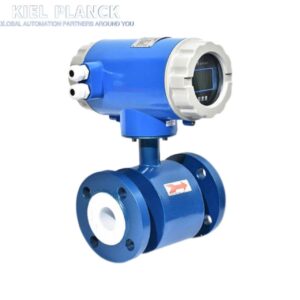
Electromagnetic flow meters are widely used in industrial fluid measurement due to their high stability and zero pressure loss. However, electrode scaling is one of the most common on-site faults in long-term operation. Adhesive sediments, crystallization layers, grease and mineral scales covering electrode surfaces will cause unstable signal induction, resulting in severe reading jitter, data jumping and intermittent measurement failure
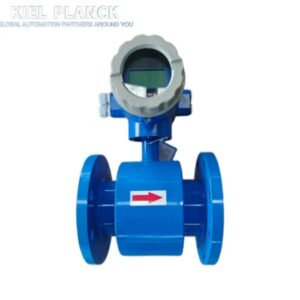
he liner is the core protective component of an electromagnetic flow meter, which isolates the measuring tube from corrosive, adhesive, and abrasive media and directly determines the instrument’s stability, measurement accuracy, and overall service life.
Lithium battery electrolyte is a core conductive medium that determines battery capacity, cycle life and safety, featuring strong corrosion, high cleanliness requirements and sensitive flow control characteristics in transportation and filling processes. Precise and stable flow monitoring of electrolyte delivery is essential to ensure consistent battery production quality and reduce defective rates.
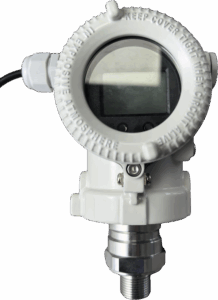
Carbon dioxide capture, utilization and storage (CCUS) is a pivotal technical approach for global carbon neutrality and industrial emission reduction. The CO₂ capture and transportation process involves complex working conditions including low-temperature liquefaction,


